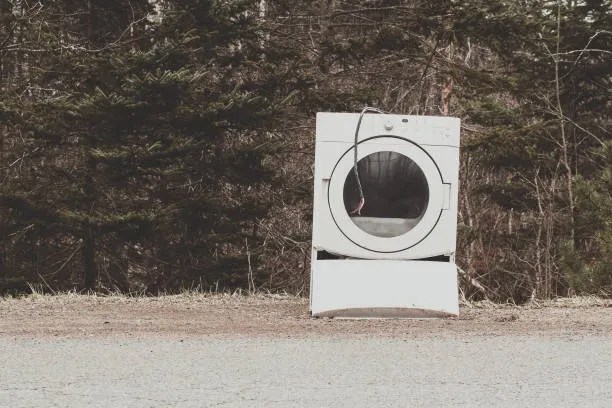
There is a rule in laundry that most people learn the hard way: some stains set. Leave them long enough in heat, and they stop being something that happened to the fabric. They become the fabric. Getting them out afterward requires something harder than soap and water. It requires deciding, first, that you want to.
We have not yet decided.
What Laundry Has Always Known About War
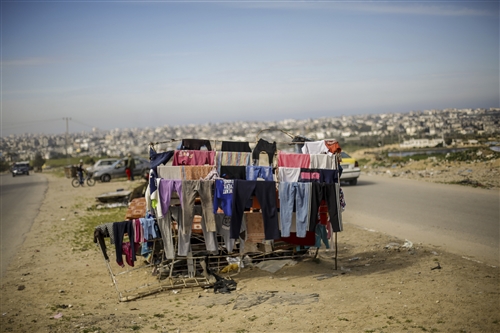
Long before we had the language of war crimes, we had the laundry.
Armies have understood for centuries that cleanliness is not a luxury — it is a weapon. During the Crimean War in the 1850s, British forces lost 21,000 soldiers not to enemy fire but to disease carried in filthy clothing, on lice-ridden skin, in bacteria-soaked socks. The lesson was so catastrophic that by the time World War I arrived, military planners had restructured entire supply chains around the laundry unit. Mobile washing stations followed soldiers to the front. Clean clothes meant a fighting force. Dirty clothes meant a dying one.
The inverse of this logic is simple, and it has been applied deliberately throughout history: deny people clean water, and you do not merely inconvenience them. You make them sick. You make them weak. You make them easier to control, or easier to disappear.
This is not a new tactic. It is one of the oldest.
What Is Happening Right Now
As of June 2026, more than 73,000 Palestinians have been confirmed killed in Gaza since October 7, 2023. That is the floor, not the ceiling. Independent peer-reviewed research published in The Lancet Global Health this year estimated 75,200 violent deaths through early 2025 alone — a figure 34.7% higher than official counts at the time, because official counts require functioning infrastructure to document death, and Gaza’s infrastructure has been systematically destroyed. Some estimates accounting for indirect deaths from disease, malnutrition, and medical collapse reach six figures.
The first 350 pages of a 1,516-page casualty document published by the Gaza Health Ministry in March 2025 — all 350 of them — contained only children.
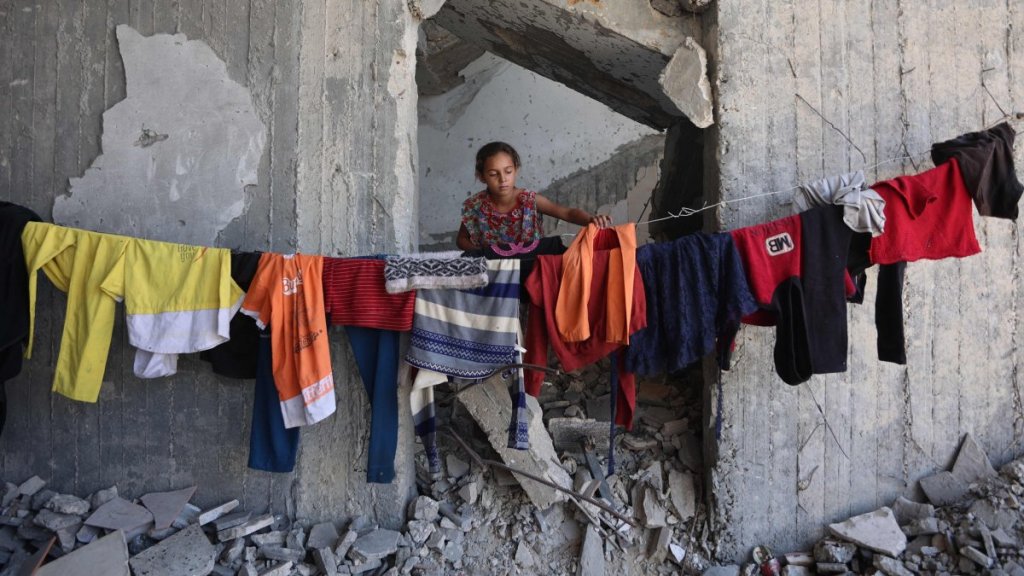
Gaza now holds a record no country should want: the highest number of child amputees per capita in the world. More than 5,000 people have undergone amputations since the war began. Children are losing limbs in surgeries performed without anesthesia, in hospitals that are no longer hospitals in any meaningful sense. A 6-year-old girl named Sidra, injured at a shelter in Nuseirat, asked her mother: “How many days until my hand grows back?”
There are no fully functioning hospitals left in Gaza. Not one.
Nine Liters
This is where the laundry comes in — or rather, where it can’t.
A standard home washing machine uses roughly 50 liters of water per cycle. The average American uses about 300 liters per day for all domestic purposes.
As of 2026, a quarter of Gaza’s population has less than nine liters of water per person per day for everything — drinking, cooking, hygiene, cleaning, washing. Nine liters. For everything.
The water infrastructure — pipelines, desalination plants, wells — has been targeted and destroyed to the point that MSF, Doctors Without Borders, became the largest non-governmental water producer in all of Gaza, distributing over 4.7 million liters daily. And still, between May and November of 2025, one in five of their distributions ran dry while people were still standing in line.
Water prices from private sellers have increased 500% since October 2023. A family choosing between drinking water and laundry water is not making a lifestyle choice. They are making a survival calculation.
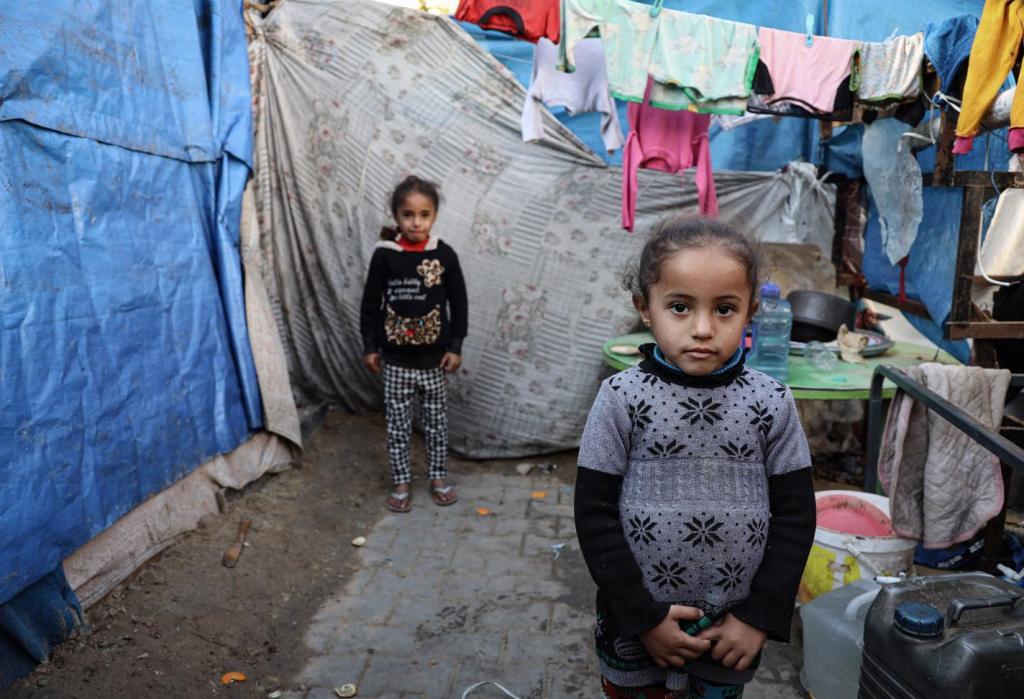
Women in displacement camps describe washing clothes by hand in small plastic buckets — filling and refilling and lifting for hours, bent double, wringing wet fabric until tendons tear. Clinics are documenting hand and wrist injuries from repetitive strain. Not from battle. From laundry.
Drying clothes presents its own impossible math. Hanging wet laundry inside a tent leaves it damp for days in overcrowded shelters where mold and bacteria thrive. Hanging it outside invites privacy violations in camps packed beyond any reasonable density. Either option carries health risks. There is no good option. The choice is which bad option you can survive.
About 80% of Gaza’s 2.1 million people now live in makeshift tents. Roughly 96% face moderate to severe water insecurity. Aid organizations distributed 744,000 bars of soap in a single week in January 2026. It sounds like a lot until you divide it.
The Paper Trail
In November 2024, the International Criminal Court issued arrest warrants for Israeli Prime Minister Benjamin Netanyahu and former Defense Minister Yoav Gallant. The charges: the war crime of starvation as a method of warfare, and crimes against humanity including murder, persecution, and other inhumane acts. The court found reasonable grounds to believe they bore criminal responsibility for intentionally directing attacks against civilian populations and for cutting Gaza’s cross-border water pipelines — the primary source of clean water for 2.1 million people — beginning October 9, 2023.
The warrants remain active as of June 2026. The ICC rejected every legal challenge Israel brought to halt the investigation.
Netanyahu has been rerouting his air travel to avoid countries that would be required to arrest him. He skipped Davos in January 2026 — Switzerland is a Rome Statute signatory. His plane takes non-standard routes around France and Spain. A sitting head of government is navigating international airspace the way you navigate a grocery store when you owe someone money and don’t want to be seen.
The warrants exist. The accountability does not. Not yet.
Meanwhile, in February 2026, for the first time, an Israeli military official publicly accepted that the Gaza Health Ministry’s death figures were broadly accurate — confirming approximately 70,000 killed by direct Israeli fire. This, after years of official Israeli messaging describing the same figures as Hamas propaganda.
The numbers were always real. They just weren’t convenient.
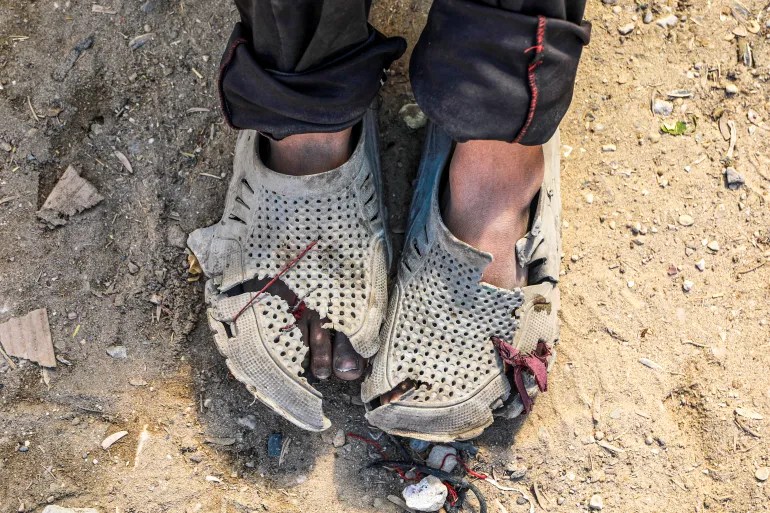
What Stains
History will look back at this moment the way we now look back at other moments we find unforgivable in retrospect. The moments where the documentation existed, the testimony existed, the bodies existed, and the response was delay, abstention, or silence dressed up as neutrality.
We have seen this before. The paperwork accumulates. The stain sets.
There is a reason laundry has always marked the boundary between human dignity and its removal. To wash is to say: this body matters. This person will be clean. Tomorrow is worth showing up for. When you deny people water — not as a side effect of conflict, but as a documented, deliberate method of warfare — you are not just making them dirty. You are telling them, systematically and at scale, that they do not deserve the ordinary things. The soap. The clean shirt. The water to wash a child’s hands before dinner.
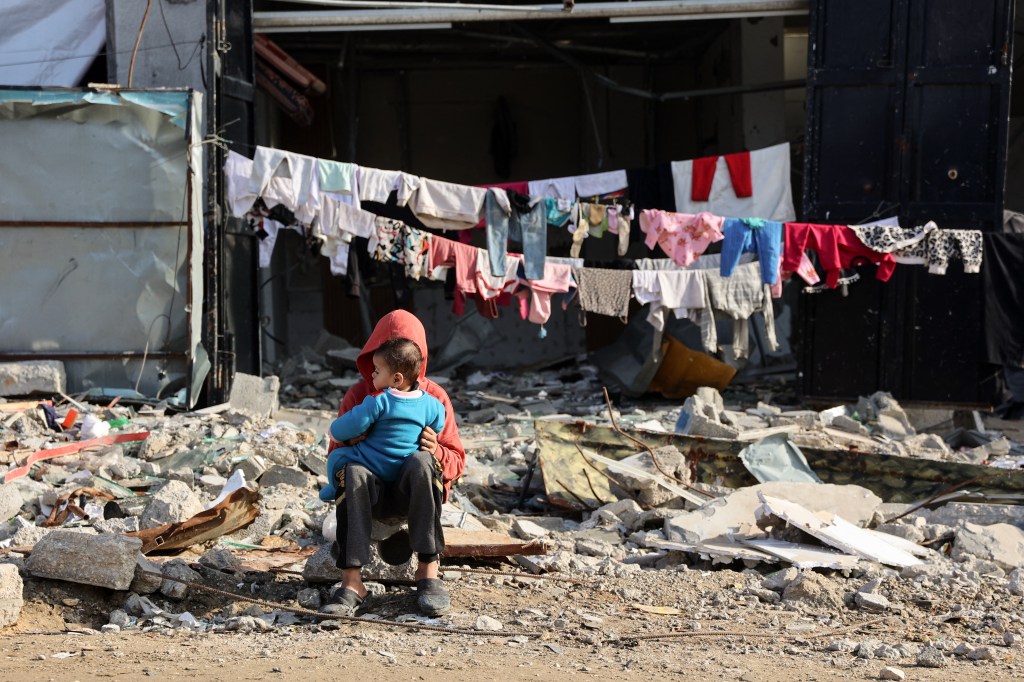
The clotheslines are still there — strung between rubble walls, draped over twisted rebar, hung inside tents where the laundry never quite dries. Families are still washing by hand in plastic buckets. Children with one arm are still getting dressed in the morning.
They are still here.
The question is what we are going to do about the stain.
The Laundry Club does not believe in clean hands obtained through looking away.


Leave a Reply