When I think of laundry, I often think of the ordinary—the hum of machines, the smell of detergent, the comfort of warm towels. But laundry also shows up in extraordinary places. It becomes a witness to history, a thread connecting human struggle with human resilience.
During the Second World War, Shanghai became a haven for about 20,000 European Jews fleeing Nazi persecution. Unlike so many places that closed their borders, Shanghai’s port remained open, and desperate families boarded ships with little more than a suitcase and hope. Many of them ended up in the Hongkou district, an overcrowded neighborhood that came to be called the “Shanghai Ghetto.”
The conditions were far from kind. Families squeezed into one-room apartments, sanitation was nearly nonexistent, and food was scarce. And yet, in the middle of this hardship, life had to continue. Children still needed play, meals still had to be cooked, and clothes still had to be washed.
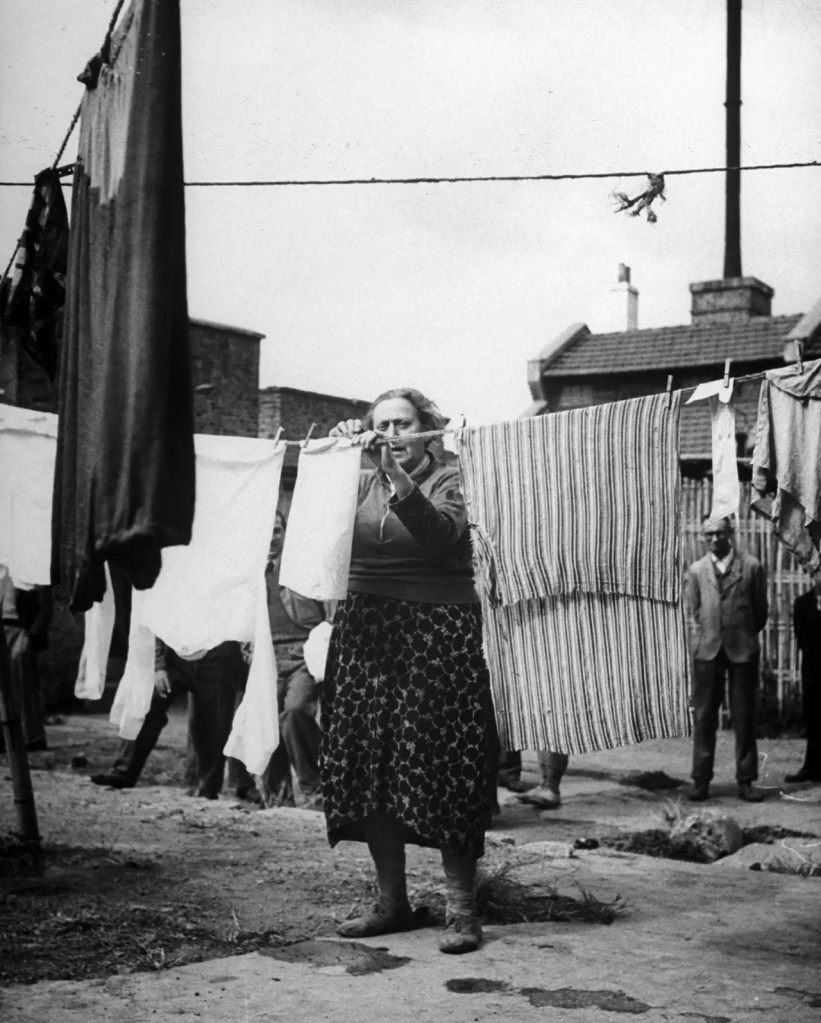
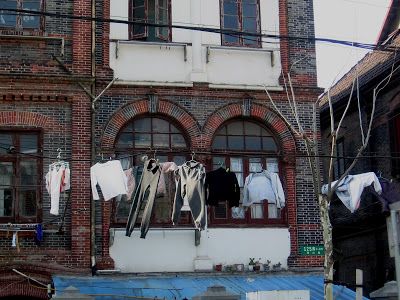
Photographs from the period capture a detail that moves me deeply: laundry strung from windows, bamboo poles, and shared courtyards. Refugees hung shirts, diapers, sheets, and dresses—ordinary clothes that, in those circumstances, symbolized so much more. Clean laundry was dignity. It was order in the midst of chaos. It was the simple insistence: We are still here.
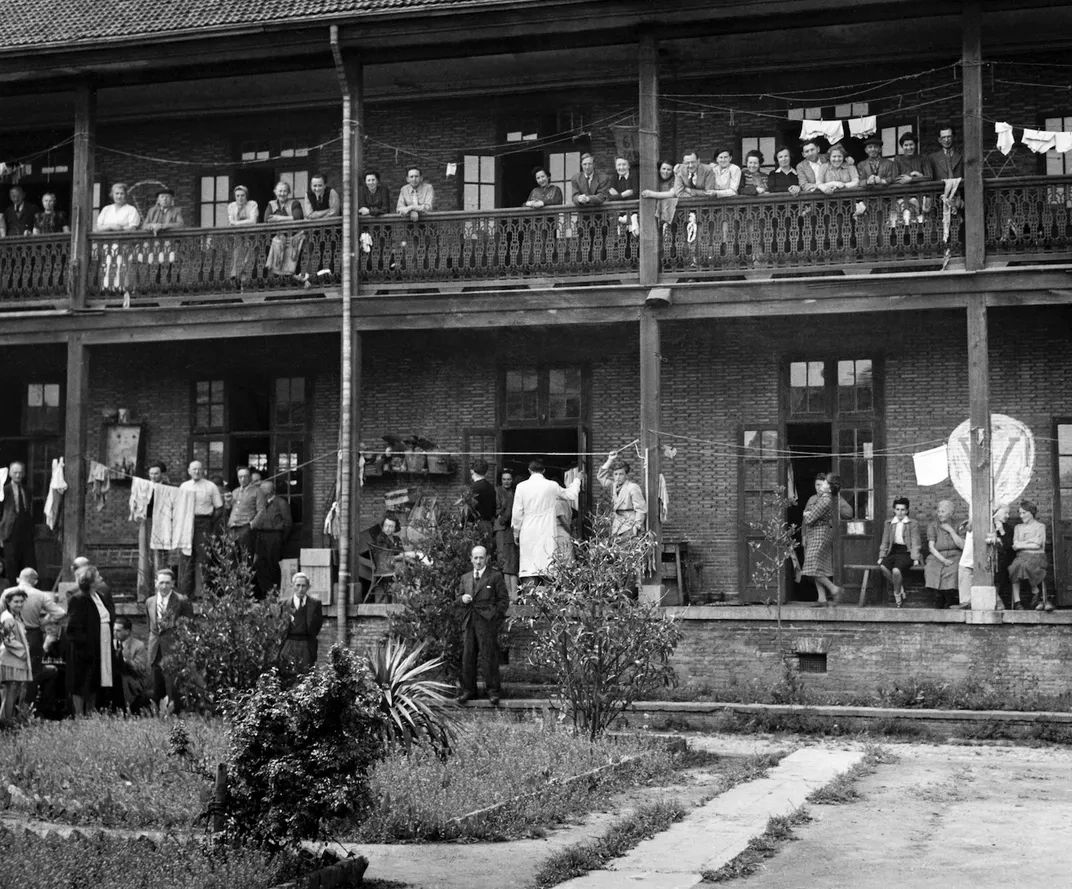
Survivor accounts tell us that people often washed together, sharing water basins when soap was scarce. Community kitchens, aid groups, and neighbors helped each other however they could—even pooling resources for laundry. What strikes me is that something so everyday, so repetitive, became a lifeline. A way of saying: We won’t let despair take the last of us.
I imagine those courtyards lined with fabric, garments swaying in the Shanghai breeze. For me, it’s a reminder that laundry isn’t just about cleanliness—it’s about care, survival, and resilience. Even today, when I fold my own children’s towels fresh from the dryer, I think about what it means to carry dignity through the smallest rituals. Laundry has always been a way of holding on.
The Shanghai Jewish Refugees Museum now preserves those memories. In its photographs and testimonies, you can still see the laundry lines in the background—a quiet chorus of survival.
Final Spin
Laundry isn’t just chores and cycles—it’s threads of humanity that stretch across time. In the Shanghai Ghetto, laundry was resilience made visible, a way of keeping dignity alive when the world tried to take everything else. The next time you see clothes hanging on a line, maybe pause and listen: the fabric still whispers stories of survival.
If this story moved you, if it reminded you that even in the darkest times, small acts like washing clothes can carry the weight of survival—please consider supporting The Laundry Club Blog. Your contribution helps me continue sharing these quiet histories, where dignity clings not only to fabric, but to the people who refused to be forgotten.

 The Laundry Club Blog
Leave a comment