You may know Vincent van Gogh for sunflowers, starry skies, and a tragic ear incident. But did you know he spent years sketching laundry scenes—boats laden with linens, washerwomen stooping by canals? Intrigued? So was I.
It raises an oddly fascinating question: what were Van Gogh’s own laundry habits? Did he scrub paint‑spattered smocks himself? Did some long‑suffering laundress curse every color-smeared sleeve? Let’s unpack.
Scenes of Laundry as Art
Van Gogh’s early drawing “Carpenter’s Yard and Laundry”—completed in The Hague around May 1882—captures washerwomen hanging clothing to dry from his studio window. It’s detailed, obsessive, and oddly meditative, suggesting laundry work had more emotional meaning to him than just scenery.
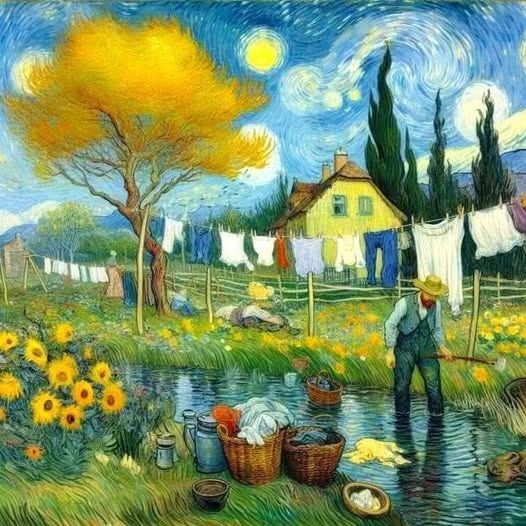
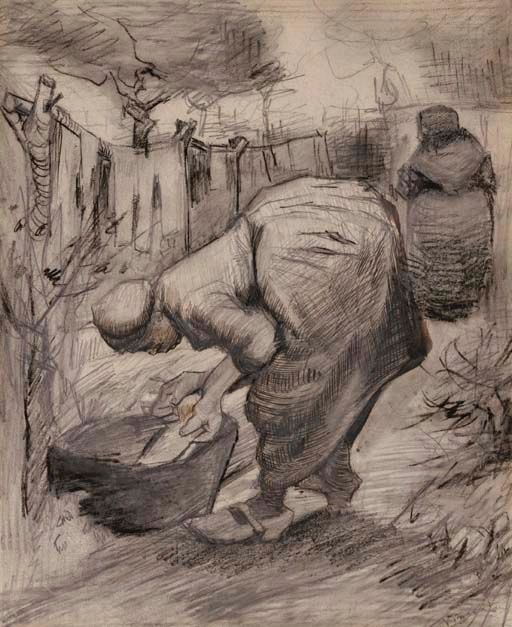
Three years later, in Peasant Woman at the Washtub and Peasant Woman Hanging Up the Laundry (1885), he portrays domestic labor with dignity, aligning washerwomen with farming and community welfare in his Nuenen rural series.
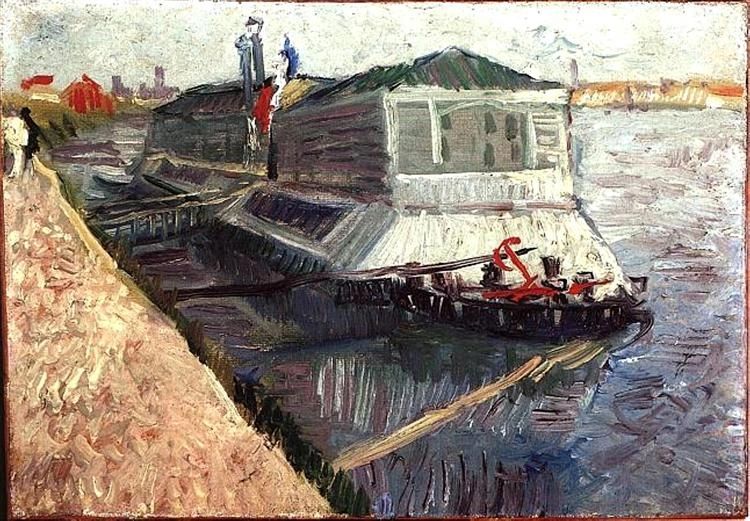
In 1888, during his Paris years, Van Gogh painted The Laundry Boat on the Seine at Asnières: women’s linen drying from a small boat on the Seine, rendered with bold brushwork and sharp complementary colour contrasts—a nod to Japanese woodblock techniques and the Synthetism style he was exploring.
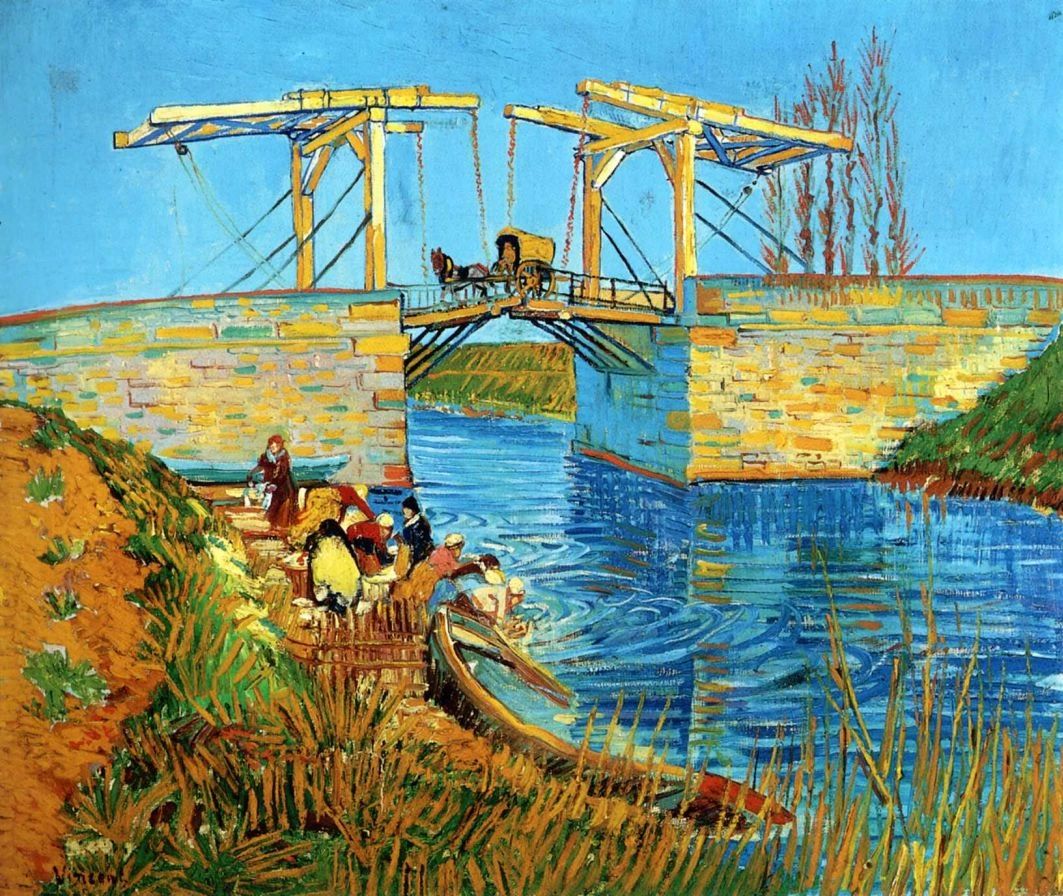
Even in his iconic Langlois Bridge works in Arles he occasionally included washerwomen scrubbing by the canal.
What Was Van Gogh’s Laundry Reality?
We don’t have letters where Van Gogh complains of stained socks or a laundress’s profanity. He suffered from financial hardship, relied heavily on his brother Theo for clothes and support, and lived in modest lodgings and studios.
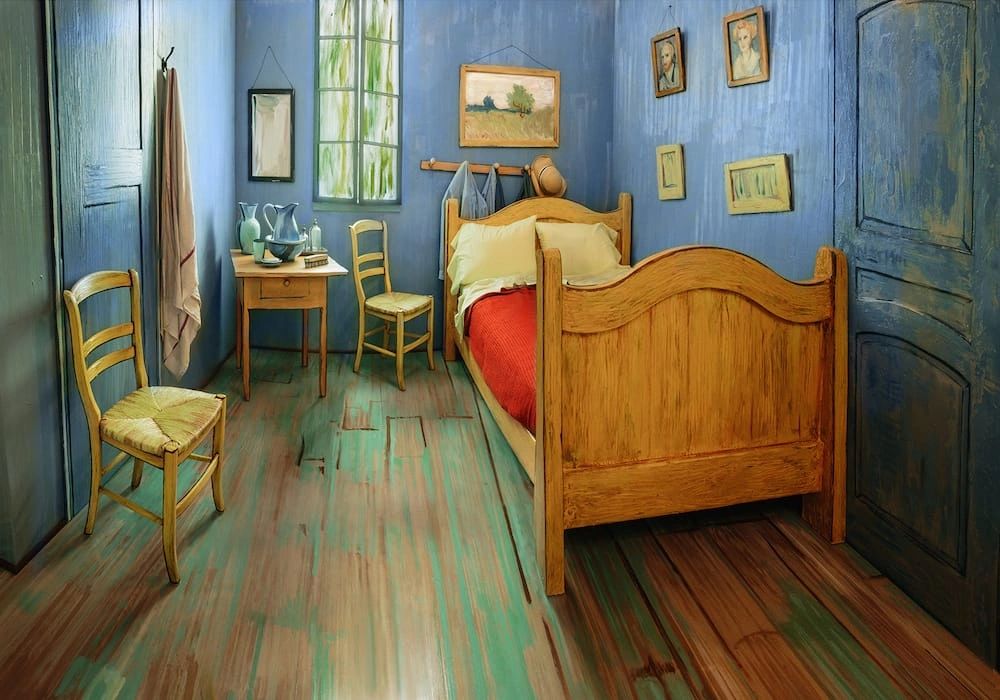
In Arles, his bathroom/hygienic access was limited, living with Gauguin in a simple house with only occasional running water. Gauguin famously instituted a rudimentary budget for hygiene, food, rent.
Van Gogh painted furiously in his final months at Auvers—74 paintings in 72 days—leaving little energy for proper laundering routines.
Given his precarious finances, chronic depression, and surges of creative mania, it’s unlikely he hired professional laundry more than occasionally—or at best, borrowed clothes clean and lend the dirty ones back later.
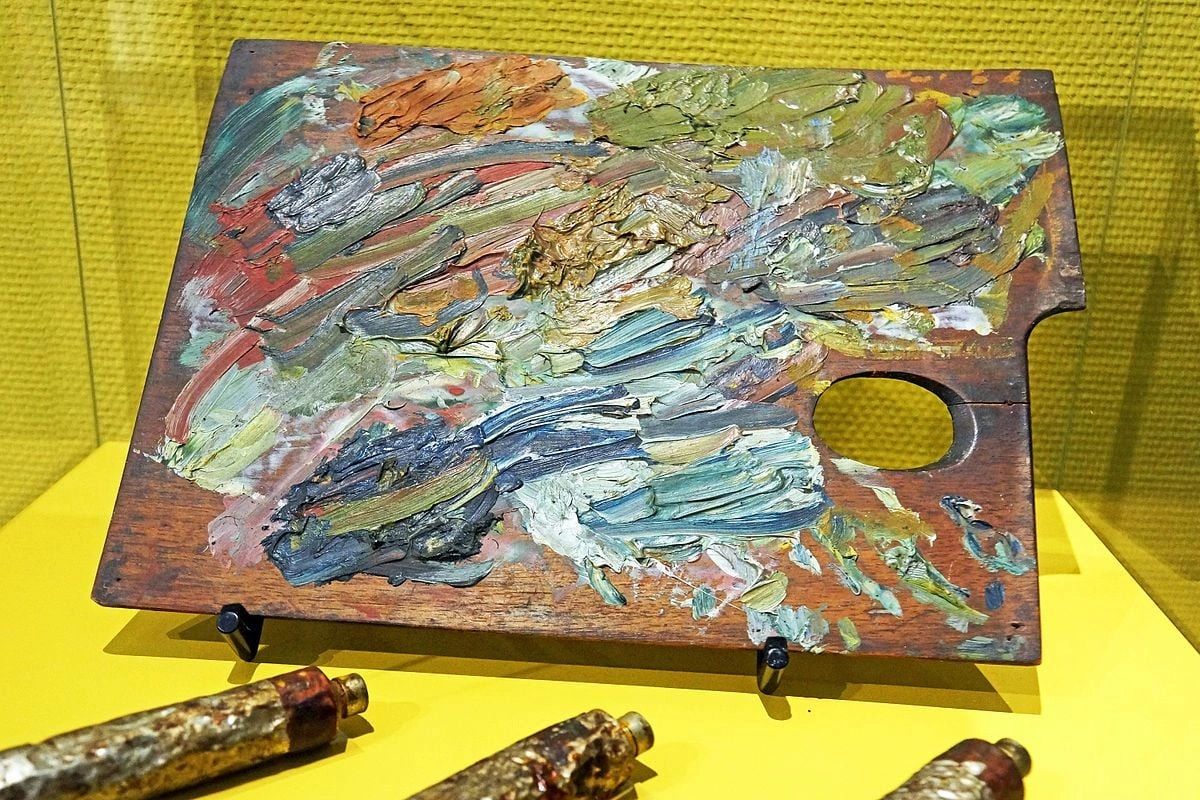
Did He Wash His Paint‑Stained Smocks Himself?
Probably.
He treated his paint-stained garb with the same energy he put into brushstrokes: messy, intense, persistent, and low-fashion. Washing at home would have been simplest—likely rinsing out big stains in cold water, hanging smocks on a line (maybe a rudimentary clothesline off his studio window or courtyard), then stuffing them into corners until brush bristles hardened.
And those linens he depicted hanging on the Seine or in Nuenen? They were likely washerwomen’s—I doubt Van Gogh had the luxury of silk-washing services, especially once paint started coating his palette, smock, and everything in between.
Imagining His Wintry Wardrobe Woes
Let’s picture it: soupy pigment under your fingernails, bristles splayed from endless strokes, a half-empty room, and a damp shirt half‑coated in chrome yellow.
Would he have cursed his own laundry? Probably not loudly—but in the dark—“Damn these colours won’t wash out!”
Would anyone else? Possibly a housemate, or Theo’s laundress back in Paris, annoyed at resurrecting canvases of dried oil paint in every shirt. We have no records, but it’s easy to believe she’d mutter something like: “Again with the cobalt smears? I’m not Michelangelo’s maid!”
Why Laundry Was His Muse
Everyday humbleness: Van Gogh found nobility in labour. His laundry scenes link washerwomen to the dignity of farmland — both sustaining community.
Symbol of cleansing and renewal: Hanging wet linen was metaphorical—even spiritual.
Visual interest: The shapes of hanging cloth, stark white shapes against landscape, made for perfect studies in line, form, and tone.
Laundry Lessons from a Genius
Even the greatest artists had basic domestic struggles.
Art reflects what you see every day—even down to the washing line.
Routine chores—laundry—in his world held weight: communal, essential, symbolic.
Van Gogh’s Laundry in a Nutshell
Who did his laundry? Probably himself in his modest studios or lodgings—he couldn’t afford a laundress regularly.
Could his smock withstand washing? Barely—paint would harden and stain permanently, likely making his work clothes stiff and colorful in all the wrong ways.
Did he depict real laundry scenes knowingly? Absolutely—he observed and documented washerwomen and their drying linen, turning everyday chores into art.
Any documented complaints? None from Van Gogh himself, but it’s easy to imagine a laundress in Paris quietly cursing his endless paint-smeared garments.
Final Spin : A Strange Thread in an Artistic Life
We may have no letters about how he managed the funk of pigment-saturated hems. But those clothes and scenes stayed with him—from the Hague to Paris to Arles. Laundry was more than background—it was part of how he saw life: communal, patient, humble labor made vivid by his restless pigments.
So let that image of painter‑smock sludge and stiff linen remind you: even creative lightning chafes against the mundane. Paint-stained shirts may fade, but the stories linger longer than bright yellow fields ever could.
Support The Laundry Club Blog – If this post brightened your canvas—or at least made you feel better about your own laundry pile—toss a coin in the wash bucket. Every bit helps keep The Laundry Club Blog hanging fine art (and dirty smocks) out to dry.

 The Laundry Club Blog
Leave a comment