When we toss our clothes into the wash, we imagine we’re ridding them of dirt, germs, and whatever chaos the day threw our way. But what if that fresh scent you associate with “clean” is actually masking something far more sinister?
Laundry detergents, particularly conventional and heavily fragranced ones, can contain a cocktail of chemicals—some of which are known to disrupt hormones and wreak havoc on our bodies. These substances don’t just rinse down the drain; they linger on fabric and seep into our skin. They may smell like a spring meadow, but they act more like an invisible invader.
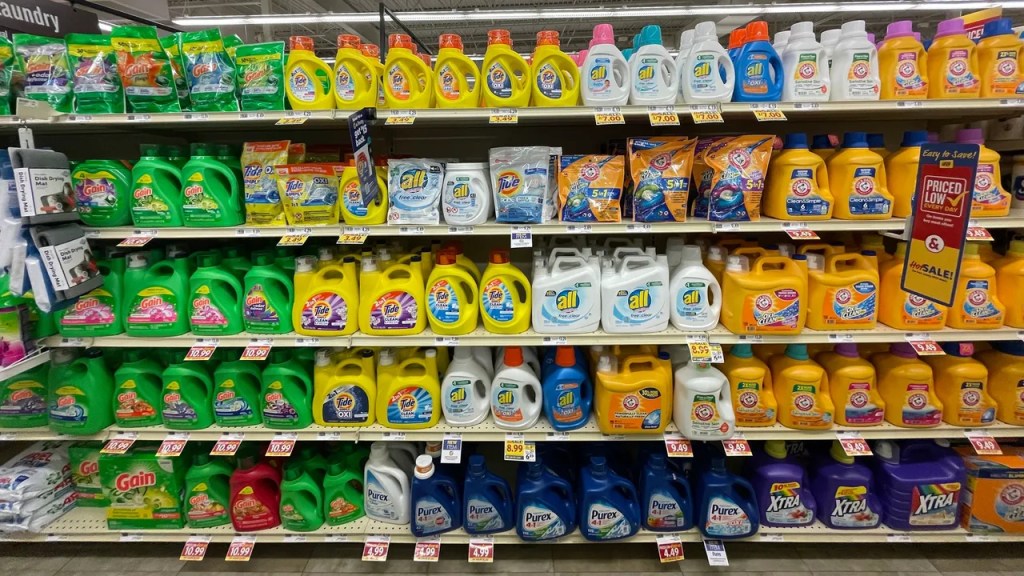
Here’s a breakdown of the usual suspects hiding in that cheerful bottle on your laundry shelf:
Phthalates
Often added to help fragrances last longer, phthalates are a class of chemicals well-documented for their ability to interfere with the endocrine system. They’ve been linked to reduced sperm count, reproductive abnormalities, altered hormone levels, and even an increased risk of breast cancer. Worst of all, companies aren’t required to list them individually—so “fragrance” could be a Trojan horse.
Nonylphenol Ethoxylates (NPEs)
Although banned in the European Union and Canada, NPEs still pop up in some U.S. detergents. Once they break down, they mimic estrogen and can interfere with fertility, development, and even the function of aquatic life when they enter waterways. If your detergent isn’t transparent about ingredients, it’s worth investigating.
Fragrance Ingredients
The word “fragrance” on a label can mask hundreds of undisclosed chemicals. Some may be harmless, but others—including additional phthalates or synthetic musks—are anything but. These hidden ingredients can disrupt hormones, irritate skin, and trigger allergies or asthma.
Alkylphenol Ethoxylates (APEs)
Another estrogen-mimicking chemical, APEs degrade into substances that mess with hormonal signaling. They’ve shown adverse effects in both humans and wildlife, contributing to developmental and reproductive issues. Not what you want lurking in your baby clothes or pillowcases.
Formaldehyde
Used as a preservative and anti-bacterial agent, formaldehyde is a known irritant and a probable carcinogen. Even in small amounts, it can trigger skin issues like eczema, especially in children and those with sensitive skin.
How These Chemicals Affect Your Health
Hormone-disrupting chemicals don’t just mess with one system. They can ripple through multiple parts of the body:
- Reproductive Health: Fertility issues, irregular menstrual cycles, and hormone imbalances.
- Developmental Problems: Disrupted growth and organ development in infants and children.
- Neurological Effects: Changes to brain chemistry and behavior, particularly in developing brains.
- Immune Suppression: Reduced ability to fight off illness.
- Cancer Risk: Increased risk of breast, prostate, and testicular cancers.
What You Can Do: Detox Your Laundry Routine
You don’t have to resign yourself to chemical-laden laundry. Here are some simple, powerful swaps:
Go Fragrance-Free (or Naturally Scented)
Look for labels that say “fragrance-free,” not just “unscented” (which can still contain masking agents). Or try detergents with natural essential oils—just make sure they’re transparently listed.
Avoid Phthalates and NPEs
Choose brands that proudly state they’re free of phthalates, NPEs, and other endocrine disruptors. If the ingredient list is vague or incomplete, that’s a red flag.
Opt for Eco-Friendly and Hypoallergenic Products
Brands that are eco-conscious tend to use fewer harsh surfactants and synthetic chemicals. These detergents are often safer for both your body and the environment.
Skip Synthetic Dyes and Brighteners
These additives don’t clean your clothes—they just make them look cleaner. But they can irritate skin and introduce unnecessary chemical exposure.
Make Your Own (If You’re Feeling Crafty)
DIY laundry detergents are gaining popularity for good reason. You control the ingredients—think baking soda, washing
How to Make the Most Healthy Laundry Soap Recipe
If you want to take control over what goes into your laundry—and keep hormone-disrupting chemicals far away—making your own laundry soap is a fantastic option. Here’s a simple recipe that’s effective, affordable, and gentle.
Ingredients:
1 cup washing soda (sodium carbonate) — boosts cleaning power and softens water
1 cup baking soda (sodium bicarbonate) — deodorizes and helps balance pH 1 bar natural soap (like castile soap or any pure, unscented bar soap) — cleans without harsh chemicals Optional: 15-20 drops of essential oils (lavender, lemon, eucalyptus) — for natural fragrance without synthetic hormone disruptors
Instructions:
- Grate the soap bar finely using a cheese grater or food processor.
- In a large bowl, mix the grated soap, washing soda, and baking soda until combined evenly.
- If desired, add your chosen essential oils and stir well to distribute the scent.
- Store the mixture in an airtight container to keep it dry.
How to Use:
- Use 2 tablespoons per regular load in your washing machine.
- For heavily soiled clothes, increase to 3 tablespoons.
- For front-loaders, use less to avoid excess suds.
Why This Recipe Works:
- It’s free from phthalates, synthetic fragrances, and harsh surfactants that can disrupt hormones.
- Washing soda and baking soda naturally soften water and enhance cleaning.
- Pure soap gently cleans without irritating skin or the environment.
- Essential oils provide safe, natural scent and some have antibacterial properties.
The Final Spin
Laundry is supposed to refresh and protect us, not expose us to invisible threats. By choosing detergents that steer clear of hormone disruptors—whether fragrance-free, eco-friendly, or thoughtfully formulated—we take back control of what touches our skin and enters our lives. Clean clothes, yes—but clean conscience, too. Because in the end, the true power of laundry lies not just in the wash, but in the choices we make before the cycle even starts.
Support The Laundry Club Blog – If this post made you eye your detergent bottle with suspicion, toss a coin in the rinse bucket. Your support helps The Laundry Club Blog keep scrubbing the fine print, one toxic ingredient at a time—because clean laundry shouldn’t come with dirty chemistry.

 The Laundry Club Blog
Leave a comment