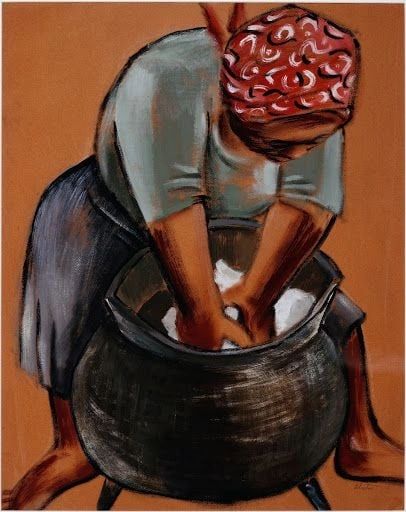
In the tradition of Hoodoo and Southern conjure practices, laundry has historically occupied a role far more complex than that of routine household maintenance. Within the cultural frameworks of African American folk magic, laundering clothes became an extension of spiritual work—an act of physical cleansing that simultaneously addressed the unseen forces surrounding a person or household. By integrating spiritual ingredients such as Florida Water, salt, and specific herbs into the rinse cycle, practitioners sought to protect, purify, and empower both garments and those who wore them. When combined with natural elements like sunlight, the process of doing laundry evolved into a discreet yet potent form of ritual.
The Cultural Context of Hoodoo
Hoodoo, also known as rootwork or conjure, is a system of African American folk magic that developed in the American South during slavery and Reconstruction. It is not a religion in itself but rather a set of practices that merge African spiritual systems with elements of Christianity, Native American herbalism, and European folk magic. At its core, Hoodoo is deeply pragmatic. It centers on personal empowerment, survival, and protection, especially in the face of systemic oppression and social marginalization.
In this context, everyday domestic activities often became vehicles for spiritual intervention. Work that was typically considered “women’s labor”—cooking, cleaning, laundering—became avenues for subtle, continuous engagement with spiritual forces. Laundry, with its emphasis on physical contact, intimate materials, and transformation through water, provided a natural channel for such engagement.
Florida Water and the Symbolism of Scent
One of the most iconic materials used in ritual laundering is Florida Water, a commercially produced cologne introduced in the early 19th century. Though its origins are European, Florida Water was rapidly adopted and recontextualized within African American spiritual traditions. It is composed of a blend of citrus, lavender, and herbal notes, and in Hoodoo it is used for spiritual cleansing, warding off negative energy, and attracting benevolent influences.
When added to laundry rinse water, Florida Water serves a dual function. On a practical level, it freshens and scents clothing. On a spiritual level, it is believed to remove residual negative energies that have attached themselves to garments through daily wear or contact with hostile environments. The act of rinsing clothing in water infused with Florida Water thus becomes a method of both purifying and anointing—preparing the wearer to move through the world with spiritual protection.
Salt as a Purifier
Salt has held spiritual significance across cultures for centuries, and in Hoodoo it functions as a powerful tool for purification and protection. Coarse sea salt or kosher salt is often added to laundry water with the intention of disrupting spiritual attacks, absorbing malefic energy, or neutralizing harmful intentions.
In traditional Hoodoo thought, garments—especially those worn close to the body—can retain spiritual residue. This might include the emotional energy of the wearer, energy projected by others, or conditions such as bad luck or envy. Washing these garments in salted water is considered a means of severing such attachments. Moreover, salt’s crystalline structure and natural preservative properties lend themselves symbolically to notions of strength, endurance, and spiritual resilience.
Herbs and Roots in the Rinse Cycle
Herbalism is foundational to Hoodoo practice. In the context of laundry, certain plants and roots are selected for their energetic properties and introduced to the rinse cycle either in the form of teas, sachets, or dried leaves. Each herb serves a particular spiritual purpose, and their use reflects both ancestral knowledge and regional variation.
For example, hyssop is frequently employed for spiritual cleansing and repentance, with biblical roots in Psalm 51—“Purge me with hyssop, and I shall be clean.” Basil is associated with prosperity and peace, while rosemary is used for protection and remembrance. Rue is utilized to repel envy and negative intention, and lemongrass is thought to cut through confusion and clear psychic debris.
These herbal infusions might be steeped and poured directly into the rinse water, or added in cloth sachets to protect the washing machine from debris. The inclusion of herbs is rarely done without prior consecration—many practitioners will pray over the herbs, recite scripture, or invoke ancestral guidance before adding them to the laundry process.
Drying in Sunlight: The Elemental Seal
After the washing and rinsing process, drying clothing in direct sunlight is considered to “seal” the spiritual work. The sun is viewed in many traditions, including Hoodoo, as a natural purifier. It provides heat, light, and life-sustaining energy—all of which counteract the cold, dark, and stagnant qualities often associated with negative spiritual influences.
Drying clothes outdoors allows them to be exposed not only to light but also to fresh air and movement, all of which are believed to disperse lingering energies that water alone may not fully remove. In addition, the symbolic act of displaying clothing under the open sky invokes themes of transparency, renewal, and natural balance. For households that lacked access to indoor dryers, sun-drying was not only practical but spiritually preferable.
Final Spin: Domestic Space as Sacred Space
The integration of spiritual practice into the act of laundry exemplifies a broader worldview in which domestic life is not separate from spiritual life but is, in fact, its most persistent expression. Within Hoodoo and Southern conjure traditions, laundry becomes a quiet form of resistance, self-preservation, and ancestral continuity. It is a reminder that sacred labor often goes unrecognized—and that beneath the folds of a freshly laundered shirt might lie centuries of wisdom, protection, and purpose.
While modern life has distanced many people from these practices, they continue to be preserved, adapted, and reinterpreted by contemporary rootworkers, spiritual healers, and descendants of the traditions. Laundry, in this framework, is not mundane. It is magical. And every rinse cycle can be a return to ritual, if one knows what to add to the water.
Support The Laundry Club Blog:
If this post helped you see laundry water as something more than rinse and spin, consider pouring a little blessing back. Your support keeps The Laundry Club Blog alive—where history, heritage, and the hum of the washing machine meet in sacred rhythm.

 The Laundry Club Blog
Leave a comment