What if every knot in your laundry wasn’t just a nuisance—but a spell?
In the folds of old Germanic folk tradition lies a sensual, secret magic—knot binding—a ritual practice where emotions, fate, and desire were tied, quite literally, into fabric. Underwear wasn’t just a place for elastic and lace—it was a spiritual battlefield, a love letter, and sometimes, a curse.
Long before emojis and DMs, European lovers—especially in rural Swabia, Bavaria, and Saxony—used linen thread and whispered incantations to say what words couldn’t. Let’s unravel this luscious history, one knot at a time.
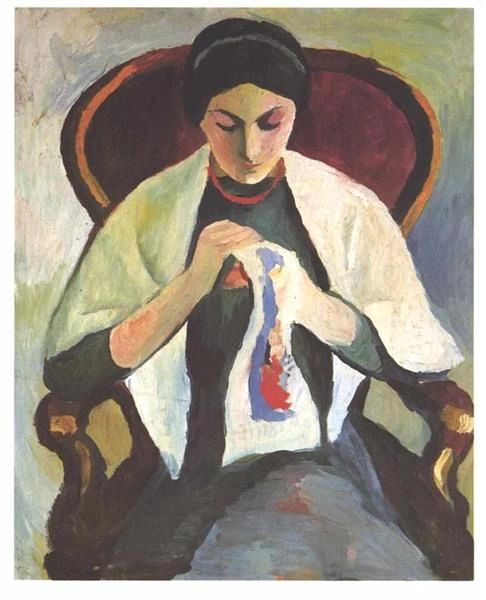
Knots of Love: A Stitch in the Groin Makes the Heart Grow Fonder
In Germanic folklore, a carefully tied knot held immense power. Whether twisted into a ribbon, spun into wool, or sewn into the seams of clothing, knots were more than functional—they were magical tools of control, affection, and intention.
Especially potent were knots tied into undergarments. These were items closest to the skin, rich with personal essence, sweat, and even erotic charge. When a woman wanted to catch a man’s eye—or heart—she might secretly knot one of his underlinens, tying each loop while murmuring phrases of longing.
Sometimes, the love spell was sewn into the garment during mending, disguised as innocent darning. In more elaborate rituals, a woman would spin her own thread, dye it red or pink (colors of heat and passion), and tie nine knots—each one representing a stage of desire or devotion.
The undergarment would then be returned quietly, and once worn, the spell was said to take hold. Restless dreams, flushed cheeks, impulsive affection—these were signs the knot had worked its way under the skin.
Unbinding the Heart: Knots for Ending Love
Just as knots could forge love, they could also unmake it.
To sever a bond, one might knot a former lover’s garment tightly—sometimes inside-out, sometimes with bitter herbs like nettle, wormwood, or blackthorn thorns tied into the folds. The most powerful versions involved soaking the fabric in rainwater from a church roof or tears collected over several nights.
The knots, often made in multiples of three or nine (sacred numbers in Germanic myth), were tied while reciting a parting charm—“As I knot, I forget; as I bind, I release.” The final garment might be burned, buried under a yew tree, or sent down a river with stones, carrying the last traces of attachment away.
In some tales, spurned lovers would stash knotted garments in the thatch above a hearth or in the walls of a home, where the unfinished magic would keep the ex-lover from ever marrying again.
Thread and Fate: The Norns Are Watching
In Norse-Germanic cosmology, fate wasn’t dictated by stars—it was spun and knotted by the Norns, three powerful women who lived at the base of Yggdrasil, the world tree.
These divine weavers measured out human lifespans in thread. To weave was to decide, and to knot was to fix. Every loop, every snip, had consequences.
This belief seeped into the homes of common folk. Women who spun thread weren’t just crafting clothing—they were symbolically controlling the destiny of themselves and their families. A young woman making undergarments for a suitor might be weaving his fate with hers… and he wouldn’t even know it.
Regional Twists: Where the Knots Ran Deep
- Swabia (southwestern Germany): Known for its intricate needlecraft traditions, women here often included red thread crosses in undergarments to ensure loyalty. Hidden knots were common bridal practices.
- Bavaria: Alpine village folklore warned against accepting “gifts of cloth” from spurned lovers. In some tales, men who accepted a hand-sewn kerchief were later found confused, drunk on lust, or unable to marry anyone but the woman who tied it.
- Saxony: Knots were more protective than seductive—tied into children’s garments to guard against elves or changelings. But the tradition of knotting a suitor’s undershirt with rosemary sprigs was whispered about well into the 19th century.
Folktales from the Laundry Room
The Bride Who Would Not Wed In one eerie Saxon tale, a woman named Margarete had many suitors but never married. After her death, a knotted linen chemise was found in her dowry chest—sewn shut with her own hair. Elders claimed it was a love spell gone wrong: she’d tried to bind a soldier’s love, but never untied the knots when he left for war. He died in battle. She lived alone, cursed by her own longing.
The Witch’s Bloomers A Bavarian tale tells of a village laundress accused of love hexes. Women claimed that once she washed their husbands’ underclothes, the men grew infatuated with her. One wife cut the bloomers apart with shears and buried them at a crossroads. That night, the laundress fell sick and lost her voice—never to speak a spell again.
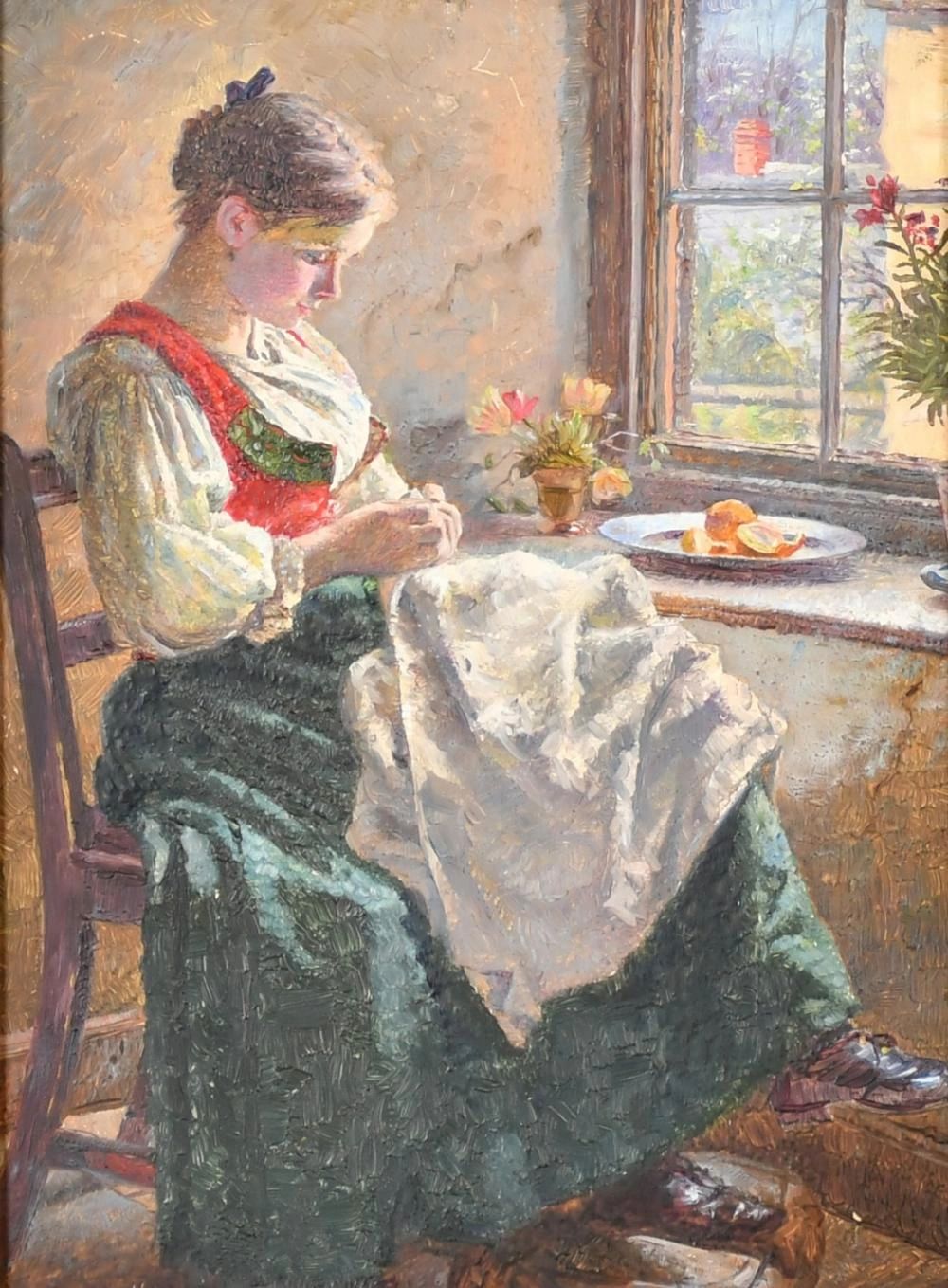
Final Spin: What’s in Your Folded Underwear Drawer?
Knot magic reminds us that laundry is more than lint and bleach. It’s about intimacy, intention, and identity—woven together in ways we rarely see.
So the next time you find your underwear tangled in the dryer or a ribbon inexplicably knotted in your sock drawer… maybe it’s not just bad luck.
Maybe someone tied a spell for love. Or revenge.
And maybe—just maybe—it’s still working.
Support The Laundry Club Blog – If this story tied your curiosity in knots, slip a coin in the charm bag and help keep The Laundry Club Blog spinning. I promise to use the funds wisely—no love spells, just clean storytelling and a touch of mischief.

 The Laundry Club Blog
Leave a comment