Laundry may seem like one of the most ordinary routines in modern life, but in some corners of the world, the act of washing and drying clothes is tangled up in a web of legal oddities. From aesthetic concerns and religious customs to noise ordinances and gender roles, lawmakers across countries have passed regulations that turn laundry into a potential legal minefield. While some of these rules are rooted in historical or cultural practices, others seem downright bizarre—and yes, people have been fined or penalized under them.
In this blog, we take a journey across continents to uncover the world’s weirdest laundry laws, complete with enforcement stories and cultural context.

1. Switzerland: Thou Shalt Not Hang Laundry on Sundays
In a country known for its pristine orderliness and punctuality, it’s no surprise that Switzerland has regulations governing the visibility of laundry. But what surprises many visitors is the unwritten (yet widely enforced) rule against hanging laundry on Sundays, a traditional day of rest.
The Law: While not explicitly national law, many Swiss apartment buildings and neighborhoods enforce this as part of their community bylaws. Hanging laundry on balconies or in gardens on Sundays is considered a disturbance to the visual serenity and peaceful atmosphere of the Sabbath.
Real-Life Enforcement: Violators may not face jail time, but they often receive stern letters from building management or complaints from neighbors. One expatriate living in Zurich reported being warned for drying sheets on a balcony, only to be told that “the sheets were not offensive, but the day was.”
Cultural Context: In many Swiss cantons, quiet laws extend beyond laundry—including bans on mowing the lawn, playing loud music, or washing cars on Sundays.

2. United Kingdom: The Carpet Beating and Laundry Clause
The Law: The Metropolitan Police Act of 1839 (Section 60) prohibits people from beating or shaking carpets, rugs, or mats in any street in London after 8:00 a.m. This Victorian-era law was aimed at keeping public areas clean and preventing dust pollution, but it also included hanging laundry in public view.
Modern Adaptations: While rarely enforced today, some neighborhoods and housing councils have invoked the act to prohibit hanging laundry in front-facing balconies or over fences.
Enforcement Example: In 2017, a woman in Kent received a warning for drying a duvet over her garden fence that bordered a footpath. She faced a fine of up to £200 for “causing a public nuisance.” Local bylaws backed by the historic police act were cited.
Cultural Angle: The regulation reflects the longstanding British obsession with tidiness, privacy, and neighborhood image—especially in densely packed terraced housing areas.

3. United States: HOA Wars and the “Right to Dry”
The Conflict: In dozens of U.S. states, homeowners’ associations (HOAs) or rental contracts forbid residents from using clotheslines, particularly in front yards or areas visible to neighbors.
Reasoning: HOAs argue that hanging laundry lowers property values, creates visual clutter, or looks “low class.”
Right-to-Dry Movement: Activists and legislators in at least 19 U.S. states have passed laws granting residents the “right to dry” their clothes outdoors regardless of HOA restrictions. These laws aim to promote environmental conservation and reduce reliance on electric dryers.
Notable Case: In Colorado, a woman named Mary Reed was fined repeatedly by her HOA for using a retractable clothesline on her back patio. She eventually took her case to local government, contributing to a statewide right-to-dry bill passed in 2008.
Outcome: Today, the right to use clotheslines is protected in states like Colorado, California, Vermont, and Oregon, but many battles continue at the local level.

4. France: Balconies Are for Beauty, Not Socks
Local Bylaws: In cities like Paris, Nice, and Lyon, tenants in certain historic or luxury apartment buildings are prohibited from hanging laundry from balconies or windows. The rules are part of tenancy agreements or building codes focused on maintaining the building’s visual appeal.
Penalty: Violators may be reported to the building syndicate or management, with fines ranging from €50 to €200. Repeat offenses could affect lease renewals or deposit returns.
Notable Story: A foreign student in Marseille received three separate warnings for hanging shirts out to dry in a shared courtyard. Her deposit was partially withheld at the end of her lease due to “disregard for aesthetic protocol.”
Cultural Context: In France, style and appearance extend beyond fashion to the home itself. Visual harmony is often enforced in tightly managed urban areas.

5. Trinidad & Tobago: No Over-the-Fence Drying
The Law: Municipal codes in certain parts of Trinidad and Tobago prohibit residents from drying laundry on fences or structures that face public roads.
Reason: The law is intended to maintain public cleanliness and prevent the streetscape from appearing cluttered.
Enforcement: Local councils may issue warnings or small fines. In rural communities, the rule is often ignored, but in urban centers like Port of Spain, enforcement is stricter.
Reported Case: In 2015, a local newspaper reported a resident being fined approximately TT$500 (~US$75) for repeatedly hanging clothes on a fence bordering a municipal sidewalk.

6. Singapore: Laundry Must Obey the Weather
The Law: While not illegal to hang clothes outside, public housing regulations state that residents must remove clothing during inclement weather or risk fines.
Why? Singapore maintains tight cleanliness codes, and allowing wet laundry to drip onto pedestrians below is considered a civic violation.
Penalties: Repeat offenders may face fines of up to SGD $1,000.
Enforcement Example: A housing board fined a resident SGD $300 after neighbors complained about dripping garments creating puddles in a shared walkway.
Cultural Angle: Singapore’s famously clean streets are a product of strict regulations that apply to everything from gum to laundry.

7. Iran: Religious Restrictions on Public Washing
The Rule: In some conservative regions, particularly in rural areas, women are discouraged or banned from washing clothes outdoors or in mixed-gender public spaces.
Cultural and Religious Context: The practice is linked to modesty laws and gender segregation. While not codified into national law, it is enforced socially and sometimes through local ordinances.
Impact: Women in certain provinces have reported being shamed or harassed for washing garments in rivers or near shared wells, leading to a shift toward indoor hand-washing stations.

8. India: Ghat-Washing with Rules
The Practice: Ghats (steps leading to rivers) in cities like Varanasi are traditionally used for public bathing and laundry.
Modern Restrictions: Environmental concerns and tourism pressures have led to municipal bans on detergent use and washing at certain heritage ghats.
Enforcement: Police have begun fining or removing people from high-profile ghats when caught scrubbing clothes or using commercial detergent.
Notable Event: In 2019, over a dozen dhobis (washermen) were fined in Haridwar during a festival for washing clothes in prohibited zones.
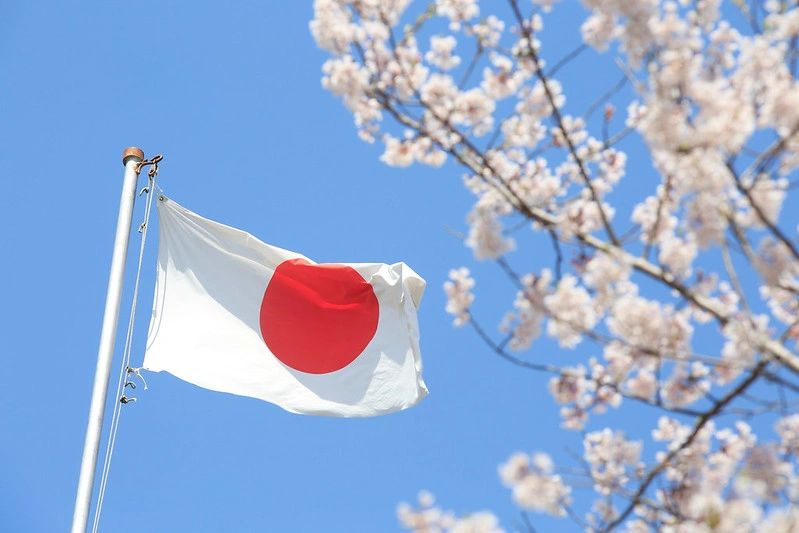
9. Japan: Laundry Visibility and Natural Disasters
The Rule: In high-rise buildings, especially in Tokyo, residents are discouraged from hanging laundry on balconies during typhoon season.
Why? Laundry items become flying debris hazards during storms. Some buildings outright ban outdoor drying in certain months.
Penalty: Building managers issue warnings; persistent violations may result in contract violations or liability clauses.
Real Case: In 2020, a resident in Osaka was ordered to pay damages after a drying bedsheet was blown off a balcony and caused a minor traffic accident.
Final Spin: Clean Clothes, Dirty Rules
Laundry laws reflect a society’s values, norms, and quirks. Whether protecting visual harmony in Paris, conserving electricity in Vermont, or avoiding ghostly garments flying off balconies in Tokyo, these regulations reveal more than just legal boundaries. They shine a light on how cultures define public decency, community standards, and environmental responsibility.
While many seem absurd at first glance, these laws are rooted in the daily realities of urban life, social order, and even political control. As long as humans wear clothes, the way we clean and display them will remain a surprisingly revealing part of global culture.
Want to hang your laundry outside? You might want to check the local laws first.
Support The Laundry Club Blog – If you’ve ever broken a “no laundry on Sunday” rule or smuggled socks past your HOA, you’re in good company. Toss a coin in the rinse cycle and help keep these global laundry crimes properly documented—one spin at a time.

 The Laundry Club Blog
Leave a comment