When Laundry Becomes Doctrine
Laundry is often associated with care, cleanliness, and domestic stability. But in certain extremist religious sects and psychological cults, washing clothes—or being forced to wash the clothes of others—transcends routine and becomes a tool of domination. Across history and into modern times, cult leaders have imposed strict, often dehumanizing laundry routines to break down individuality, reinforce hierarchy, and instill submission.
This blog investigates the real-world examples where laundry has become more than a chore—it became a ritual of control.

1. The Manson Family: Submission Through Service
Charles Manson famously manipulated his followers through psychological abuse, LSD trips, and repeated messages about abandoning ego and personal desire. Within the Spahn Ranch commune, female followers were expected to perform household chores for male members, including constant laundry duties.
How It Was Used:
- Women were often tasked with washing not only their own clothing but those of male members and Manson himself.
- Doing laundry at odd hours was part of a system of fatigue and obedience training.
Psychological Impact: The act of laundering others’ clothing—especially soiled or intimate items—reinforced the power dynamic, deconstructing personal boundaries and establishing menial servitude as spiritual purpose.

2. FLDS (Fundamentalist Church of Jesus Christ of Latter-Day Saints): Modesty, Uniformity, and Control
In the FLDS, led by Warren Jeffs, laundry and clothing were heavily regulated aspects of daily life, particularly for women.
Uniform Dress Code:
- Women were required to wear long pastel prairie dresses, handmade and often laundered communally.
- Homemade laundry soap was part of the doctrine of “purity.”
Control Through Repetition:
- Group laundry sessions reinforced communal identity and discouraged deviation.
- A woman seen laundering non-approved clothing could be punished or shamed.
Enforcement:
- Some ex-members describe laundry as a method of surveillance, where what you washed (or didn’t) revealed spiritual “purity.”

3. Aum Shinrikyo: Chemical Cleansing, Literal and Symbolic
Before orchestrating the 1995 sarin gas attack in Tokyo, Aum Shinrikyo operated as a doomsday cult blending science fiction, Buddhism, and authoritarianism.
Laundry Rituals:
- Members were often required to purify their robes and sleeping linens multiple times per day.
- Bleach was symbolically tied to removing “sinful vibrations.”
Work as Punishment:
- Laundry was used to punish dissenters or those deemed spiritually “unclean.”
- The act of constant cleaning reinforced fear of contamination and spiritual inferiority.
Check out the documentary on this HERE

4. Rajneeshpuram (The Osho Cult): Laundry in Luxury and Servitude
While Bhagwan Shree Rajneesh (Osho) was known for Rolls Royces and opulent living, many of his followers toiled in rigidly structured daily roles.
Color Coordination:
- Followers wore only red, maroon, or orange garments, which were laundered daily as a symbolic renewal of devotion.
- Laundry facilities were centralized, and garments were strictly labeled and rotated.
Hierarchy in Laundry:
- Only selected inner-circle members were allowed to handle the Bhagwan’s clothing.
- Lower-status sannyasins (disciples) cleaned communal linens and towels often stained with the byproducts of group encounters.
Result:
- Laundry assignments became status markers within the commune.
- Denial of laundry privileges could be used as shaming.
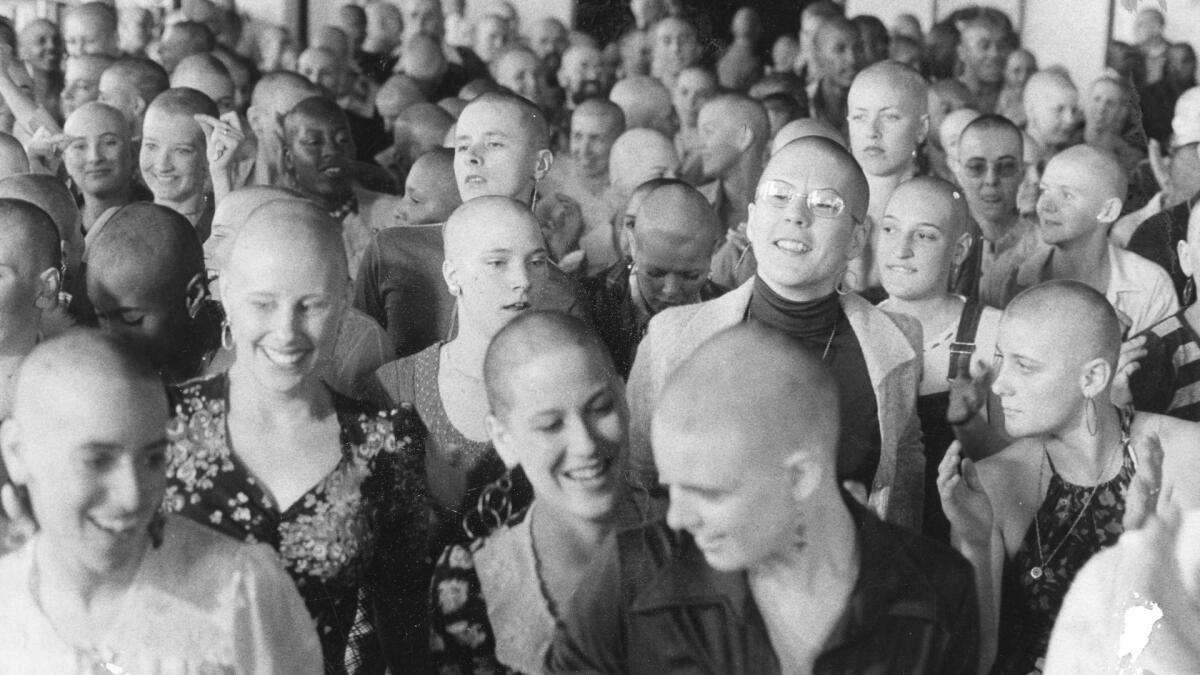
5. Synanon: Discipline via Chores
Originally a drug rehab program, Synanon evolved into a notorious cult that enforced strict behavioral control.
Chore Rotation:
- Members were assigned tasks that rotated weekly, including intensive laundry duties.
- Uniforms worn during “The Game” (a psychologically abusive group therapy session) were required to be spotless, washed collectively.
Gender Dynamics:
- Women were often tasked with laundry as default, reinforcing traditional gender roles despite the group’s “progressive” outward messaging.
Testimonies:
- Former members report using laundry chores to isolate individuals and re-indoctrinate them after perceived disobedience.

6. The Twelve Tribes: Cleanliness as Obedience
This apocalyptic Christian sect, known for its communal businesses and controversial practices, maintains a strict daily regimen for members.
Laundry and Gender Roles:
- Women are primarily responsible for laundry, seen as an extension of their role as submissive homemakers.
- Laundry is done by hand or using rudimentary equipment, emphasizing sacrifice.
Symbolism:
- Clothing must be plain, free of logos or patterns, and always immaculately clean.
- Dirty laundry is seen as a reflection of internal spiritual disorder.
Psychological Mechanics: Why Laundry Works as Control
- Repetition and Ritual – Folding and washing over and over dulls the sense of time and individual agency.
- Invasion of Privacy – Handling another’s intimate clothing collapses boundaries.
- Submission Through Menial Labor – Assigning degrading or repetitive laundry duties signals status and obedience.
- Uniformity – When everyone wears the same thing and follows the same laundry rules, dissent is visually obvious.
- Gender Conditioning – Laundry is often framed as “natural” for women, reinforcing patriarchal systems.
Final Spin: When Cleanliness Becomes Compliance
Laundry is rarely just laundry in cultic environments. It becomes a tool to scrub away individuality, replace it with submission, and reinforce the power of the few over the many. Whether wrapped in the language of spiritual purity, communal bonding, or moral discipline, the manipulation of laundry routines offers insight into how even the most mundane acts can be weaponized in the architecture of control.
Understanding these dynamics doesn’t just offer us a chilling glimpse into the lives of cult members—it also reveals how everyday domestic acts can be redefined when power and belief collide.
Read more about how laundry became a tool to scrub away individuality HERE
Support The Laundry Club Blog – If this post stirred something in you—or reminded you that control can hide in the most ordinary routines—please consider supporting The Laundry Club Blog. Every contribution helps keep these stories researched, written, and told with care.
And if you ever find yourself caught in a situation where “obedience” is demanded in the name of faith, purity, or love—reach out.
Help exists. You deserve safety, autonomy, and the right to hang your own laundry in the sunlight.

 The Laundry Club Blog
Leave a comment