When you toss your clothes into the washing machine, you probably think you’re wiping the slate clean. But for forensic scientists, detectives, and criminal profilers, the laundry room isn’t where the story ends — it’s often where it begins.
Welcome to CSI: Laundry, where a crusty sock or a pile of damp jeans could blow open an alibi. From blood-splattered linens to DNA trapped in lint traps, your humble washer may be the most incriminating appliance in your house.
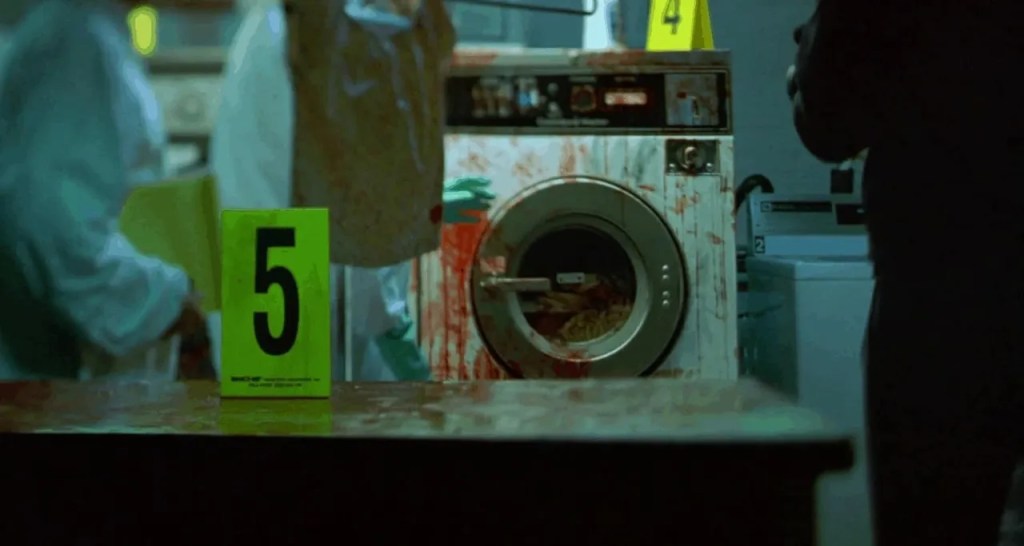
Blood, Fibers, and the Forensics of Fabric
Washing clothes doesn’t always destroy evidence. In fact, forensic scientists have discovered that trace amounts of blood, semen, saliva, and even skin cells can survive a wash cycle — especially when low temperatures and short cycles are used.
Real Case: The Shirt That Told All In 2003, police in Ontario, Canada, investigated a domestic murder. The suspect had washed his clothes after the incident. Forensic experts still found diluted traces of blood in the fabric — undetectable to the eye but visible under luminol and confirmed via DNA swabbing.
Takeaway: The myth that washing “gets rid of everything” is false. Today’s washers don’t just clean — they collect.
Lint Traps and Secret Clues
We clean out lint filters to avoid house fires — but what if we told you that lint is a forensic goldmine?
- Hair fibers: Can identify pet ownership, ethnicity, or environmental transfer
- Plant matter: Seeds, pollen, or outdoor debris that link to a crime scene
- Textile fragments: Useful in fiber matching when a suspect denies owning an item
Wild Fact: The FBI once used dryer lint containing rare plant fibers to link a suspect to a forested abduction site. That little fuzz ball you ignore? It could be Exhibit A.
The Washing Machine as a Witness
In several high-profile cases, investigators have seized washing machines as evidence.
- Scott Peterson Case (2002): Investigators examined his washer and dryer for evidence of blood or tissue after the disappearance of his pregnant wife, Laci Peterson.
- Amanda Knox (2007): Italian prosecutors questioned why a key pair of bloodied jeans had been laundered so soon after Meredith Kercher’s death.
- Dennis Rader (BTK Killer): A load of laundry left mid-cycle led to a timeline breakthrough when investigators analyzed his routine.
Lesson: A washing machine has a memory. Even when your clothes are clean, the cycle log, water residue, and machine drum can betray you.
Tech Time: Smart Washers and Digital Footprints
Modern appliances are getting smarter — and more talkative. New washing machines track:
- Wash times and cycle choices
- When the machine was accessed
- Sometimes even remote control history via mobile apps
In digital forensics, this data can help establish time-of-day alibis or reveal post-crime cleanups. Yes, even your washer has a timestamp.
Hypothetical Use: If you claim to be asleep at midnight, but your smart washer was running a heavy-duty blood removal cycle at 12:05 a.m., guess who’s suddenly on the suspect list?
When the Stain Won’t Go Away
One of the creepiest forensic truths is that some proteins — particularly those found in blood — bond deeply to fabric. Even if bleach is used, something often remains.
UV light, luminol, or chemical reagents can reveal the ghost of a stain. In fact, some crime scene cleaners use commercial washers to try and obscure traces, but seasoned investigators know:
“A clean shirt isn’t always innocent.”
Pop Culture vs. Real Life
TV shows like CSI, Law & Order, and Dexter have glamorized forensic laundry. But reality? It’s less sexy, more meticulous, and often slow.
- Real-life tech: Laundry evidence must be preserved immediately to avoid cross-contamination.
- Lab work: Fabric samples are often dried, frozen, and dissected under microscopes.
- Time frame: DNA extraction from washed garments can take weeks.
Despite the tedium, laundry has closed cases that would have otherwise gone cold.
Your Washer: A Hidden Witness to Your Life
Think about it: your washing machine knows what you wore, when you wore it, how often, and possibly what you did in it.
- Stains tell stories
- Cycles create timelines
- Lint holds memories
From true crime to innocent spills, your laundry room is not just domestic space — it’s a potential crime scene, a confessional, and a storyteller.
Final Rinse
So the next time you toss in a suspiciously stained hoodie, remember—some things cling tighter than fabric softener. Not everything comes out in the wash, and not every machine forgets. Forensic experts know that a washer’s memory is longer than you’d think, and even your dryer lint can spill the truth. Clean cycles, after all, don’t always mean clean hands.
Support The Laundry Club Blog—because I dig through the spin cycles of history so you don’t have to. Your backing keeps the stories scrubbed, the secrets tumbling, and the truth freshly pressed.

 The Laundry Club Blog
Leave a comment