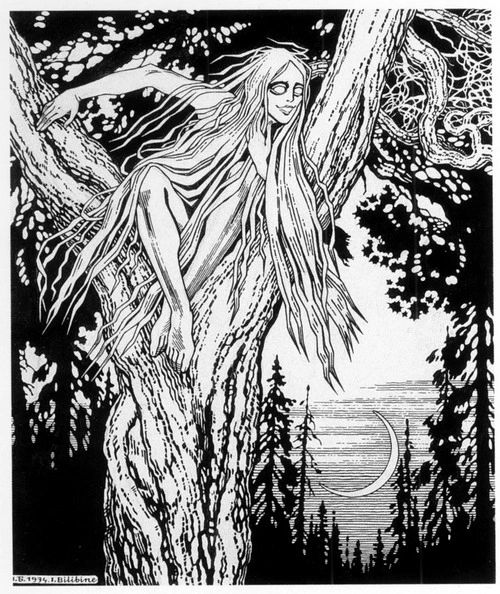
Rusalka by Ivan Bilibin, 1934
We’ve scrubbed our way through the centuries—dabbling in Korean dadeumi, Islamic ghusl, and even laundry superstitions—and now it’s time to plunge headfirst into the deep, dark, haunted waters of Slavic mythology. This week at The Laundry Club Blog, we’re hanging our delicates out under moonlight and hoping a rusalki doesn’t come to steal them.
Who—or what—are the rusalki (singular: rusalka)? Imagine this: the laundry line flutters in the night breeze, river mist coils along the banks, and from the reeds comes a song so beautiful, it makes your heart ache… right before it stops beating. These beguiling water spirits are ancient, mysterious, and, yes, directly tied to the folklore of laundering clothes. In Slavic tradition, doing laundry near rivers and lakes was more than just risky for your whites—it could be fatal.
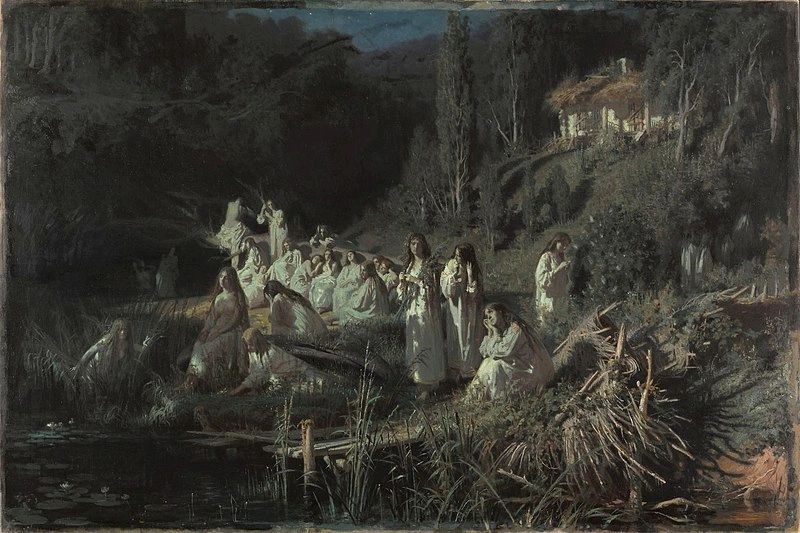
The Origins of the Rusalki
Rusalki are female water spirits from Slavic folklore—part siren, part banshee, part woodland nymph. Their stories vary across the regions of Eastern Europe, especially in Russia, Ukraine, Poland, Belarus, and the Balkans. But one thread runs consistent: rusalki are not just ghostly women; they are ghosts of women—often those who died tragically or violently, especially around themes of fertility, sexuality, or childbirth.
Many rusalki were believed to be:
- Women who drowned themselves due to unrequited love.
- Maidens who died before their wedding day.
- Victims of betrayal or domestic violence.
- Unbaptized souls or stillborn children.
Their afterlife is restless. They haunt the bodies of water they died in, emerging especially during Rusalka Week (the early summer period, usually coinciding with Pentecost), when they are said to roam freely.
Why Laundry?
In Slavic agrarian life, rivers were the laundromats. Before Whirlpool and Maytag, there was the stream. Women would carry baskets down to the water’s edge to scrub, slap, and rinse garments with tools not unlike the Korean dadeumi batons—wooden paddles that echo with rhythm.
But rivers weren’t just work zones. They were sacred, and dangerous. And according to folklore, they were full of eyes.
Laundry was a deeply gendered activity, and thus a ritual one. Young women, especially those unwed or of childbearing age, were both the launderers and the most vulnerable to spiritual forces. It was whispered that if a maiden lingered too long at the water’s edge, or if she didn’t make the proper offerings, she might meet a watery fate.
Or worse—she might become a rusalka herself.
The Rusalki Aesthetic
Forget Disney mermaids. Rusalki are ethereal, eerie, and often terrifying.
They’re described as:
- Tall, pale, with long unkempt hair (usually green or black)
- Wearing translucent white shifts (funeral attire, often)
- Laughing or crying while they comb their hair with fishbone combs
- Singing songs that bewitch, disorient, and lure humans to watery deaths
Their beauty is otherworldly, seductive—but hollow. A rusalka isn’t here for your heart. She wants your soul.
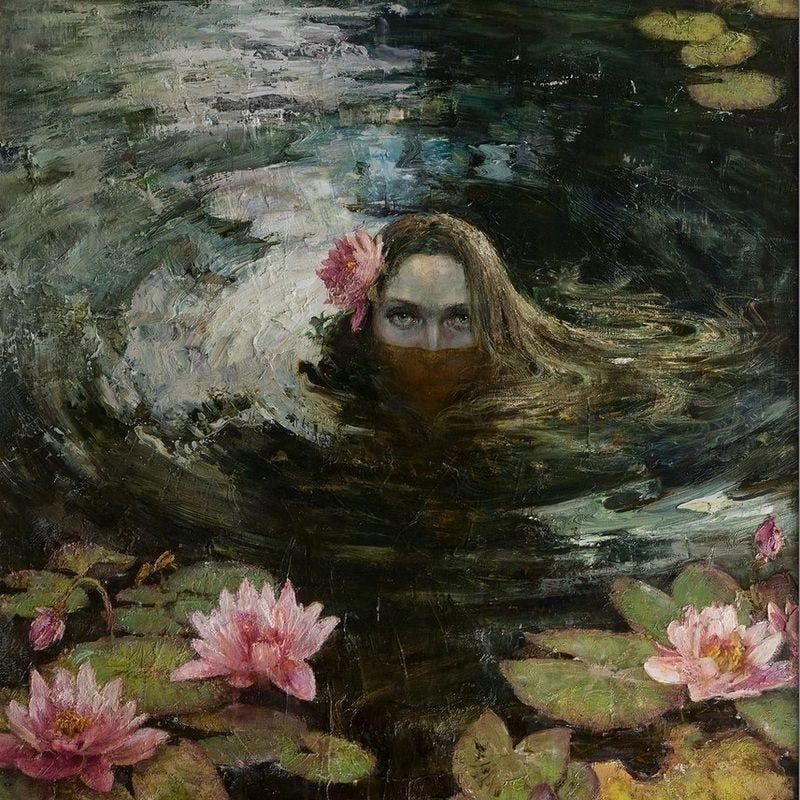
Laundry in the Rusalka Lore
One of the most fascinating aspects of rusalka mythology is how closely it intertwines with women’s work, particularly laundry.
According to regional stories:
- If you saw clothing floating in the water unattended, it was a sign that a rusalka was near—or that someone had fallen victim to one.
- Some tales speak of rusalki stealing women’s laundry from lines, or mimicking women as they beat garments clean on rocks.
- In some villages, women would never wash clothes at twilight or nightfall, fearing the rusalki might mistake them for one of their own and drag them under.
- It was customary in some areas to avoid singing while washing, lest a rusalka be attracted to the sound.
It’s easy to see how these cautionary tales served dual purposes: to explain the unexplainable tragedies near water, and to enforce communal norms about when and how women should gather at riversides.

Rusalka Week and the Forbidden Laundry
During Rusalka Week (Rusal’naya Nedelya), usually falling in June, rusalki were believed to roam free from the waters to play, dance, or exact vengeance. Swimming was forbidden. So was fishing. And—yes—so was washing clothes.
Villagers left offerings on the banks: bread, salt, scarves, or embroidered linens. Girls would often braid wreaths of mugwort and wildflowers and float them downstream to appease the spirits. It was a time of both reverence and fear.
Laundry, in this context, wasn’t just a chore. It was a potential summoning.
Symbolism: Water, Women, and Wrath
The connection between women, water, and mourning is powerful. In many cultures, water is seen as both life-giving and death-dealing. It is womb and tomb. For Slavic women—many of whom spent their lives toiling, birthing, washing, weeping—the river was a companion and a threat.
Rusalki are manifestations of unresolved grief and societal pressure. In stories, they punish betrayal, unfaithfulness, or cruelty. Some say their presence is an echo of suppressed voices—the weeping of women who never got justice.
And what’s more symbolic than laundry? It’s an endless cycle of cleaning, only for things to get dirty again. It’s transformation—just like death and rebirth.
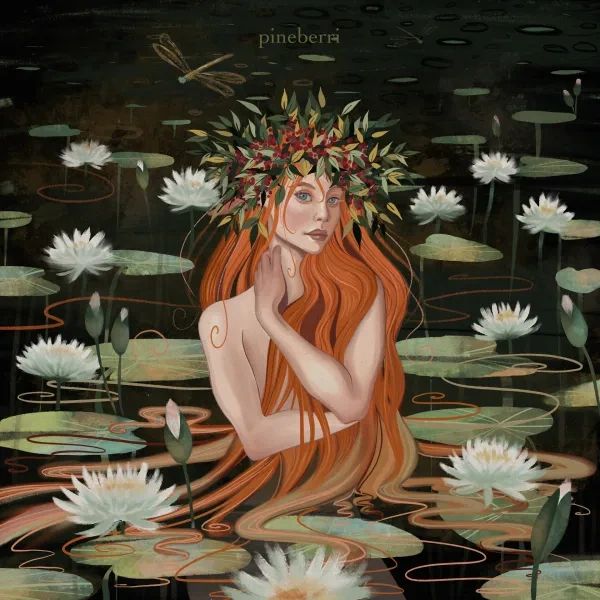
Laundry as Protection
Despite the dangers, laundry also had protective qualities. In many villages:
- Embroidered garments with protective symbols (vyshyvanka) were worn to ward off evil spirits.
- Mothers taught daughters specific folding patterns to keep away bad omens.
- Hanging clothes in odd numbers, or facing a certain direction, was thought to offer supernatural protection.
So even as rusalki haunted the rivers, women found ways to spiritually “launder” themselves and their families from misfortune.
The Rusalka Revival
Today, rusalki are making a comeback in pop culture, Slavic pride movements, and even fashion editorials. They’ve appeared in video games, ballets, and speculative fiction.
But perhaps most interesting is how they’re being re-interpreted: not just as vengeful spirits, but as feminist icons. Women wronged by patriarchal norms, forced to linger between worlds, now speaking (or singing) their truths.
In the laundry room of folklore, rusalki are both a cautionary tale and a call to remember our ancestors’ grief—and power.
So the next time you hang up your laundry on a dewy morning, give a nod to the women who came before you. The ones who sang softly to themselves as they beat sheets clean on the riverbank. The ones who lost lovers, dreams, or lives—and whispered through folklore.
And if you hear laughter from the reeds, or find your laundry has mysteriously vanished in the mist, maybe, just maybe… a rusalka stopped by.
Stay washed. Stay weird. Stay wondering.
Final Spin
The story of the rusalki is one of haunting beauty—an ancient echo of the women who toiled by water’s edge, whose grief became legend, whose labor became myth. In their spectral songs, we can still hear the rhythm of wet linen, the slap of fabric against stone, and the hush of secrets carried downstream. Laundry, after all, has always been more than soap and suds—it’s memory, ritual, and the eternal struggle to come clean.
Support The Laundry Club Blog
If this post gave you chills (or made you check your laundry line twice), consider supporting The Laundry Club Blog. It helps keep the ghosts spinning and the stories rinsed to perfection.

 The Laundry Club Blog
Leave a comment