Dadeumi: The Korean Laundry Art You’ve Never Heard Of (But Will Love) By The Laundry Club Blog
Before there were steam irons, wrinkle-release sprays, and dryer sheets scented like dreamsicle gardens, there was dadeumi (다듬이)—a rhythmic, meditative, and powerful Korean tradition of ironing fabric with wooden mallets. Yes, you read that right. Ironing with mallets.
While much of the world was simply pressing and folding, Korean women—often mothers, grandmothers, and sisters—were creating laundry symphonies with wooden sticks, turning humble fabric into poetry. It’s more than a method. It’s a vibe. It’s a ritual. It’s therapy. And it’s absolutely fascinating.
Let’s dive into what dadeumi is, how it’s done, what it meant (and still means) culturally—and why I think it deserves a place in our modern laundry lexicon.
So, What Exactly Is Dadeumi?
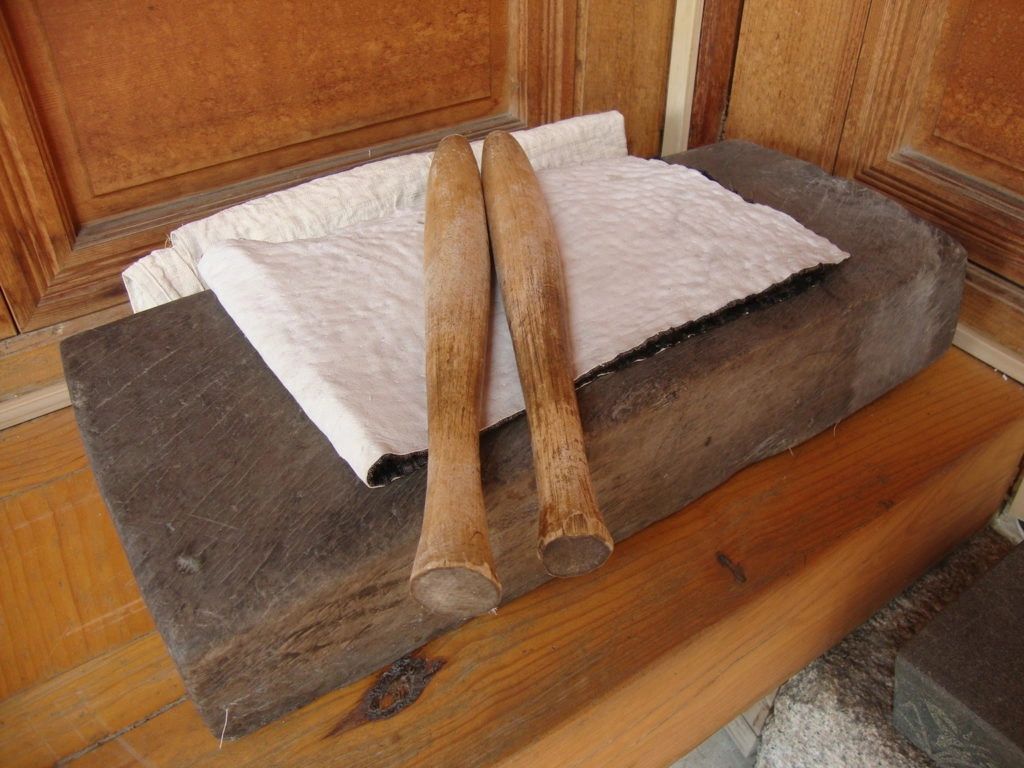
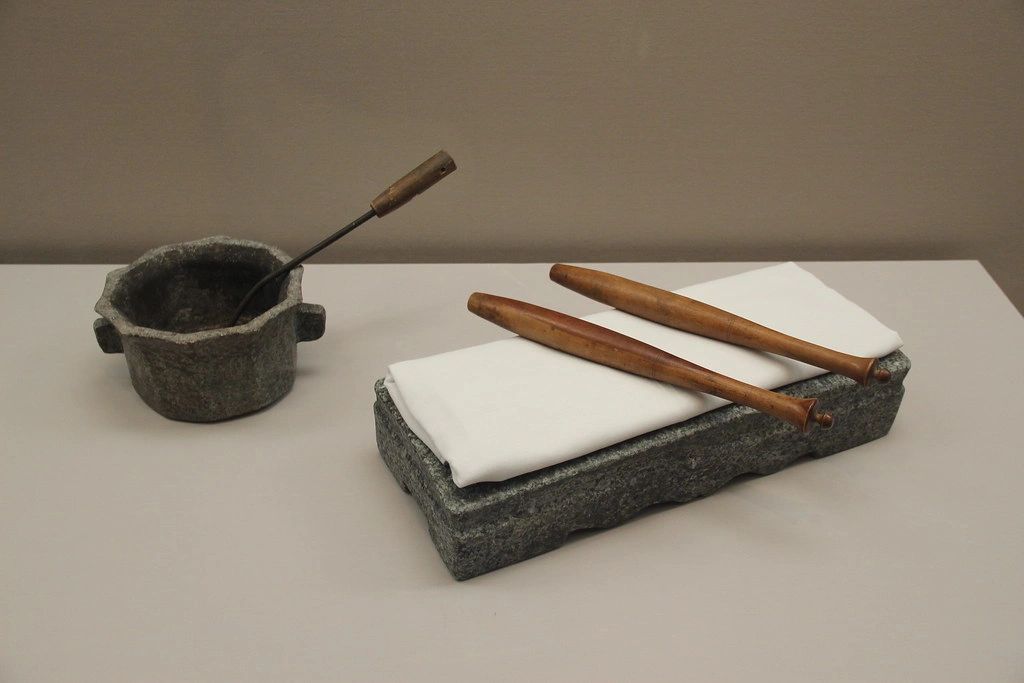
Dadeumi (pronounced dah-deum-ee) is a traditional Korean cloth-smoothing technique that uses a pair of wooden clubs (called dadeumitbangmangi) and a flat wooden baseboard (dadeumipan). The cloth, typically freshly laundered hanbok or other delicate garments, is folded and laid across the board. Then comes the magic.
With steady, alternating strokes, two women rhythmically beat the fabric with the mallets in a pattern so synchronized it looks like a dance—and sounds like a drum circle.
But this isn’t just some ancient hack to get wrinkles out. Dadeumi enhances the sheen, smooths the surface, and strengthens the fabric. Over time, repeated dadeumijil (the act of doing dadeumi) makes cloth softer, more pliable, and beautifully radiant. If you’ve ever admired the glow of traditional Korean garments, this might be the secret you were missing.
More Than a Chore
While laundry today can feel like a background task we squeeze between errands and emails, dadeumi was something else entirely. It was a moment.
In traditional Korean households, especially in rural areas, dadeumi was both necessity and ritual. Women would gather together to beat cloth—but also to connect. It became a communal act of rhythm, storytelling, shared labor, and bonding.
The tok tok tok-tok of the wooden mallets created a kind of lullaby across village walls. Children fell asleep to the sound. Elders listened, eyes closed, recalling their own youth. There’s something deeply moving about that—a cultural heartbeat wrapped in the scent of clean fabric.

A Laundry Ballet
Watching dadeumi in action is mesmerizing. It’s not brute force—it’s harmony. There’s a pulse to it. A tempo. A kind of graceful choreography between the two practitioners that feels like a cross between martial arts and meditation.
Each pair of hands moves with incredible synchronicity, the mallets tapping and striking in perfect time. Not only does it flatten the fabric and enhance its texture, but it also creates a therapeutic rhythm—one that has been described as calming, even spiritual.
To me, dadeumi feels like the physical embodiment of patience. It says: take your time. Feel the beat. Let the process be part of the beauty.
A Modern Laundry Lover’s Reflection
As someone who spends more time than most thinking about laundry (and writing about it, and blogging about it…), I find dadeumi captivating—not just for its utility but for its heart.
There’s something about the idea of beating life back into fabric that resonates. It feels metaphorical, doesn’t it? The world wears us down, wrinkles us, stains us. And yet, with rhythm, connection, and care, we’re made whole again.
Would I replace my iron with two wooden mallets? Probably not. But would I try it, if given the chance? In a heartbeat.
Because more than just pressing out wrinkles, dadeumi presses in a sense of intention. And in today’s fast-paced world, that’s something I want more of.
Dadeumi Today
Although dadeumi isn’t part of everyday laundry anymore in most Korean homes, it hasn’t disappeared. It’s preserved in traditional cultural experiences, museum demonstrations, and rural villages where heritage remains sacred.
In Seoul, for example, visitors to places like Bukchon Hanok Village can sometimes witness or participate in dadeumi as part of a cultural program. Artisans also continue to practice and teach the method, ensuring it’s passed down—not lost.
And yes, you can buy a dadeumi board and mallets online. If you’re someone who loves hands-on textile work or just wants a mindful, beautiful connection to fabric, it’s absolutely worth exploring.
The Sound of Connection
What stays with me most about dadeumi isn’t the smoothness of the clothes or the strength of the wooden mallets—it’s the sound.
That steady rhythm of wooden tools striking in tandem… it’s hypnotic. It reminds me that laundry hasn’t always been a solo task done in silence with a podcast in the background. It used to be music. Conversation. Human connection.
Laundry, in that sense, becomes more than a chore. It becomes a ritual of care. A passing of time. A weaving of stories between fibers.
Bringing Dadeumi Into Our Lives
Even if we don’t have the tools, we can bring the spirit of dadeumi into our laundry routines. How?
- Slow down.
- Treat your fabric like it matters (because it does).
- Fold with care.
- Share the work with others.
- Turn on some music.
- Make it beautiful.
And maybe, just maybe, let your laundry be a form of meditation instead of a to-do list.

Wrapping Up (Neatly Folded, of Course)
Dadeumi is one of those hidden gems of laundry history—a beautiful, rhythmic, nearly-forgotten tradition that reminds us of the love, labor, and artistry embedded in our everyday routines.
Next time you pull warm towels from the dryer or smooth the sleeves of a blouse, imagine the tok tok of wooden mallets across a quiet courtyard. Imagine the generations of women who did this not just for smooth cloth—but for connection, for beauty, and for life.
Laundry has always been more than clean clothes. It’s a legacy. And thanks to dadeumi, we get to remember that legacy still hums—one gentle rhythm at a time.

Final Spin
In a world obsessed with speed and convenience, dadeumi reminds us that laundry was once an art form—intentional, communal, and deeply human. It’s a tradition that doesn’t just smooth fabric; it presses memory into every fiber. So the next time you rush through your spin cycle, take a breath. Listen for the echo of wooden mallets, the rhythm of care, and the stories woven into every crease. Laundry isn’t just about clean clothes—it’s about connection.
Support The Laundry Club Blog: Because writing about laundry like it’s sacred poetry deserves more than just a fabric softener sponsorship.

 The Laundry Club Blog
Leave a comment