In today’s world, plastic laundry detergent jars are a common sight in our homes. They’re convenient for storing and pouring detergent, but have you ever thought about what happens to them before and after they find a place in your laundry room? In this blog, we’ll explore the journey of these plastic containers, the environmental impact they have, and what you can do to reduce plastic waste. Let’s dive in!
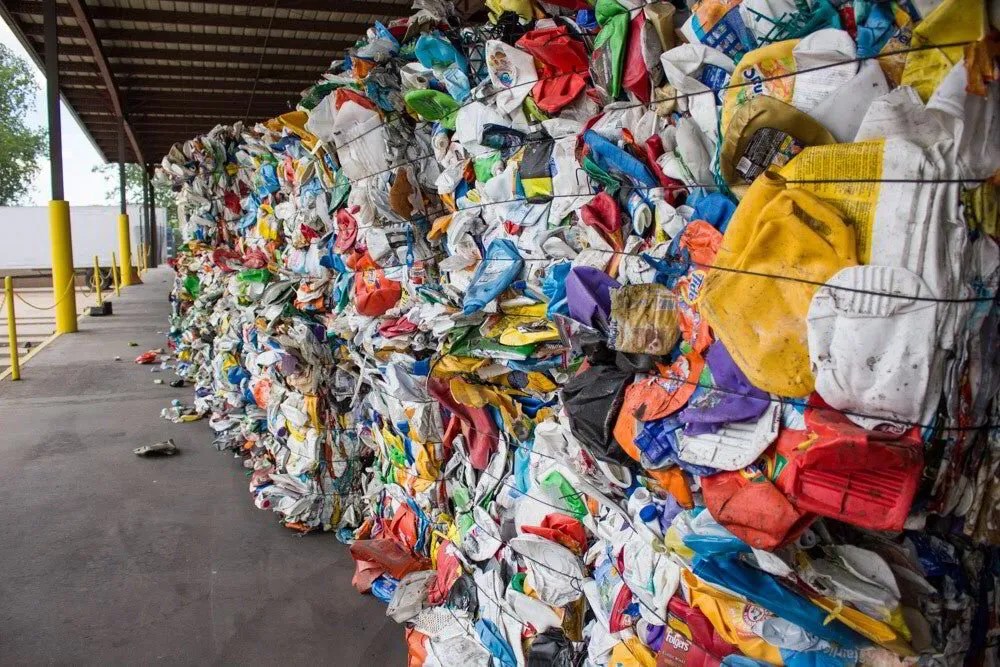
Plastic laundry detergent jars are a major contributor to household plastic pollution. They go through a long manufacturing process, and recycling alone isn’t the solution.
Making Plastic
Plastic is made from oil, a fossil fuel that took millions of years to form beneath the Earth’s surface. Extracting oil involves drilling deep into the ground or ocean, a process that can have severe environmental consequences. Oil spills, for example, can devastate marine ecosystems, poisoning wildlife and contaminating water supplies. Additionally, the extraction and refining process emits greenhouse gases like carbon dioxide (CO2) and methane, contributing to climate change. Since oil is a non-renewable resource, its continuous use depletes our reserves, bringing us closer to a future where we may no longer have access to this vital material.
Transportation
Once oil is extracted, it needs to be transported to refineries and factories where it can be processed into plastic. This transportation is typically done using pipelines, ships, or trucks, all of which require large amounts of energy and contribute to carbon emissions. Oil tankers, for example, burn vast amounts of fuel and are at risk of leaks, which can result in catastrophic spills that pollute oceans and coastal regions. The refining process itself is energy-intensive, converting crude oil into different types of plastic resins used to manufacture various products, including laundry detergent jars. This stage releases significant amounts of air pollutants, which can harm human health and the environment.
Creating the Jar
Once refined into plastic resin, the material is melted and molded into the shape of a laundry detergent jar. The production process requires high temperatures and specialized machinery, consuming electricity that often comes from fossil fuel-based power plants. Manufacturing plastic also requires water and chemical additives, some of which can be toxic if not handled properly. Beyond energy consumption, plastic production generates industrial waste and pollutants that can contaminate local water sources and air quality. Despite these environmental costs, plastic remains the preferred material due to its durability, lightweight nature, and low production cost.
At Your Home
After production, plastic detergent jars are transported to stores and eventually purchased by consumers. The jar serves its purpose of holding and dispensing detergent, often lasting for weeks or months before being discarded. However, many people do not realize that plastic jars, while technically recyclable, are not always disposed of properly. Some municipalities lack adequate recycling facilities, and many consumers either don’t recycle their plastic waste or do so incorrectly, leading to contamination that renders entire batches of recyclables unusable. Even when disposed of correctly, not all plastics are actually recycled due to economic and logistical challenges.
Recycling Issues
One of the biggest problems with plastic waste is that much of it is not recycled, even when it theoretically could be. Developed countries often export plastic waste to underdeveloped nations, where proper recycling infrastructure is lacking. For example, in countries like India, only a small percentage of plastic waste gets recycled, while the majority ends up in landfills or informal dumpsites. These sites are often unmanaged, leading to environmental hazards such as soil and water pollution. Informal waste pickers attempt to collect and sell recyclable materials, but the lack of a regulated system results in inefficiency and excessive waste accumulation.
Bad Endings
When plastic jars are not properly recycled, they can follow several harmful paths:
- Landfills: Many plastic jars end up in landfills, where they take hundreds of years to decompose. As they break down, they release microplastics into the soil and water, posing risks to wildlife and human health. Landfills are also a major source of methane, a potent greenhouse gas that accelerates global warming.
- Oceans: Some plastic waste finds its way into rivers and eventually the ocean, where it poses a severe threat to marine life. Sea creatures often mistake plastic for food, leading to fatal consequences. Additionally, floating plastic debris can absorb harmful pollutants and spread them through marine ecosystems. As plastics degrade in water, they contribute to microplastic pollution, which has been found in seafood, drinking water, and even the air we breathe.
- Burning: In some cases, plastic waste is incinerated as a means of disposal. While this method reduces the volume of waste, it releases toxic chemicals such as dioxins and furans into the atmosphere. These pollutants can cause respiratory issues, cancer, and other serious health problems, making incineration a dangerous solution.
The life cycle of plastic laundry detergent jars highlights the broader issue of plastic pollution and the environmental costs associated with our reliance on fossil fuel-based materials. From oil extraction and plastic production to improper disposal and pollution, every stage of the process contributes to environmental degradation. While recycling and reducing plastic usage can help mitigate these impacts, broader systemic changes are necessary. Sustainable packaging alternatives, better waste management systems, and increased consumer awareness are key to reducing the long-term consequences of plastic waste.
Final Spin
The next time you twist open a plastic jug of detergent, remember—it’s not just soap and scent inside. It’s oil, energy, labor, and a legacy of pollution. Small changes in our laundry habits can ripple outward. Rethink the rinse, question the container, and don’t be afraid to clean up more than just your clothes.

 The Laundry Club Blog
Leave a comment