Forget diamonds, cash, or high-end electronics. During the 2010s, a strange but very real crime wave washed across the United States—and its target wasn’t gold or jewels, but laundry detergent. Tide, to be specific.
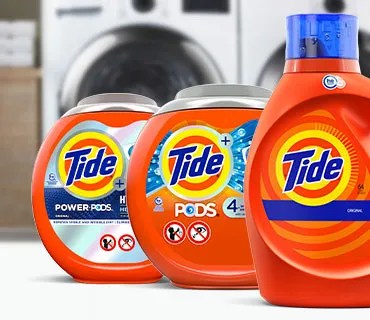
What began as petty theft quickly escalated into an underground economy worth millions. Tide wasn’t just a household staple; it became liquid gold—a currency of the streets, a product moved by gangs, and a symbol of how everyday consumer goods can transform into crime commodities.
The Sudsy Beginning
It all started with a rising trend in shoplifting. Thieves began targeting Tide in major retail chains: Walmart, CVS, Walgreens, and Target all reported significant losses. Tide was stolen in bulk—entire carts full, sometimes by organized groups in coordinated blitz-style heists.
Why Tide? It wasn’t just the high price point ($12–$20 per bottle) or brand loyalty. It was because Tide was untraceable, unregulated, and in constant demand. Everyone does laundry, and the brand was both recognizable and easy to resell.
By 2011, law enforcement had coined a nickname: liquid gold.
A New Black Market Commodity
Investigations revealed that Tide was being traded for cash, drugs, or even used as barter in street-level economies. In some cities, a single bottle of Tide could net $5 to $10 on the black market. Thieves offloaded stolen detergent at flea markets, laundromats, car washes, bodegas, and even online marketplaces like Craigslist.
A 2012 Daily News report revealed that in Prince George’s County, Maryland, a man stole over $25,000 worth of Tide before being apprehended. Police tracked his thefts for months but were stunned when they discovered what he was hoarding: shelves of unopened detergent stacked floor-to-ceiling in a suburban garage.
Some gangs began stockpiling Tide and including it in their internal ledgers—laundry soap was now an asset, like firearms or narcotics.
Inside the Criminal Playbook
Tide’s success as a black-market currency came down to four things:
- Universal Need – Everyone needs clean clothes.
- No Serial Numbers – Unlike electronics or luxury goods, detergent bottles aren’t trackable.
- High Resale Value – Particularly for those living in poverty or working in informal economies.
- Low Risk of Prosecution – Most shoplifting crimes involving retail goods under a certain dollar amount were misdemeanors, not felonies.
These factors created the perfect storm. Surveillance footage from several stores showed gangs working in teams: one or two would load the carts, another would block cameras or security, and a driver would have the getaway car idling at the curb.
Sometimes the thieves didn’t even bother hiding—they’d stroll out confidently, betting on store security’s reluctance to intervene.
Clean Laundry, Dirty Money
In 2013, a CVS in New York reported thousands of dollars of missing detergent per month. In one instance, a loss prevention officer chased a man who was running with three oversized bottles of Tide and was nearly hit by a getaway van that veered onto the sidewalk.
A Target in Oregon reported that thieves brought duffel bags into the store to fill with pods, then left through fire exits. These were not crimes of desperation but part of carefully structured resale operations.
Police later found these goods for sale at independent laundromats, with some owners admitting off-the-record that they paid half-price in cash and looked the other way. Others simply shrugged and claimed they didn’t ask questions.
The Corporate Reaction
Procter & Gamble, the maker of Tide, was tight-lipped during the height of the thefts. They increased store-level security measures and worked with retailers on packaging redesigns, including harder-to-steal pod containers, anti-theft tags, and more prominent shelf-lock mechanisms.
Retailers responded in waves. Some began locking Tide behind glass, requiring staff assistance to retrieve a bottle. Others moved product to less prominent sections of the store, hoping to reduce thefts through obscurity.
But by the mid-2010s, the panic had begun to fade—not because the problem was solved, but because retail theft simply evolved. Thieves shifted focus to electronics, baby formula, and razor blades. But for a time, Tide reigned supreme.
The Tide Pod Craze: A New Chapter
Just when the detergent drama seemed to be over, the infamous Tide Pod Challenge exploded on social media in 2017. Teenagers filmed themselves biting into colorful detergent pods, leading to thousands of poison control calls and widespread concern.
While unrelated to theft, this bizarre trend reignited public discussion around Tide, prompting Procter & Gamble to launch safety campaigns, redesign packaging, and beg the public to stop eating their soap.
Although the Pod Challenge was a different kind of crisis, it showed once again how this one laundry product had captivated the public imagination—for better or worse.
A Legacy of Lather
The Great Laundry Heists of the 2010s were a reminder of how even the most mundane products can become hot property. Whether it’s detergent as currency, a symbol of economic disparity, or an object of viral insanity, laundry products continue to hold a strange power over our culture.
In the grand scheme of crime history, these heists might seem petty. But dig a little deeper, and they reveal a lot about urban economies, corporate vulnerability, and the way we undervalue everyday essentials.
Final Spin
In a world of high-tech heists and digital fraud, it’s almost poetic that one of the biggest black-market crazes of the 2010s revolved around laundry soap. Tide became more than detergent—it became a mirror of modern desperation, clever criminal enterprise, and corporate panic. What started as petty theft ended up swirling together class, capitalism, and cleanliness into one ironic, sudsy mess. The moral? Even crime likes things that smell nice.
Support The Laundry Club Blog—because behind every bright bottle and clean load is a story worth laundering through history. Your backing keeps the spin cycle turning, one dirty secret at a time.

 The Laundry Club Blog
Leave a comment