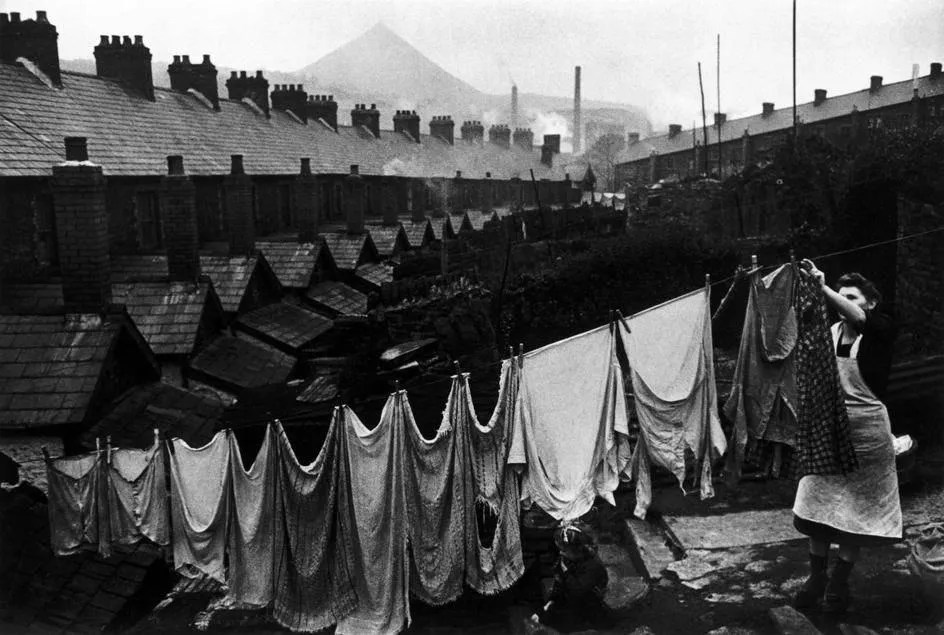
The life of a coal miner is one of grit and perseverance, marked by long hours underground and the ever-present haze of coal dust. Yet, for all the focus on the miner’s toil, there is another story—one often untold—about the challenges faced by those who manage the aftermath of the miner’s day: the laundress. Coal mining clothes, caked with soot and grime, present unique challenges that go beyond mere aesthetics. They carry health risks, environmental stains, and a legacy of hard, unseen labor.
Coal dust, a pervasive element of the miner’s environment, does not confine itself to the mine. It clings to the fabric of clothes, settles into creases, and infiltrates homes. The microscopic particles are so fine that they weave themselves into every thread, making laundering an uphill battle. For laundresses—whether professional or at home—this process is more than just washing clothes; it is a struggle against a substance that defies easy removal.
One of the most immediate concerns of coal-laden clothing is the stains. Coal dust is notorious for its staying power. It leaves dark, oily smudges not only on clothes but also on washing machines, basins, and even the hands of those brave enough to tackle it. Over time, this dust creates a gray haze that settles on everything in its vicinity, from furniture to walls, leaving a physical reminder of the mining life.
Yet, the risks extend far beyond stubborn stains. Coal dust poses significant health concerns. When inhaled, it can lead to respiratory illnesses such as pneumoconiosis, commonly known as “black lung disease.” The laundress, constantly exposed to these contaminated clothes, becomes a secondary victim of the coal miner’s hazardous work. Every shake of a garment, every scrub of fabric, releases particles into the air, turning the laundry room into an unintentional danger zone. For those without protective gear, this exposure can accumulate over time, leading to long-term health complications.
Cleaning coal-stained clothes requires not only effort but also the right technique. The key lies in a carefully crafted solution of vinegar, detergent, and warm water. This method has stood the test of time as a powerful agent against coal dust. To prepare, combine one cup of distilled white vinegar, one cup of laundry detergent, and one gallon of warm water in a tub or bucket. Stir the mixture thoroughly to create a uniform solution. The vinegar acts as a natural deodorizer and stain remover, breaking down the coal particles and loosening them from the fabric. Meanwhile, the detergent works to lift away the grime, leaving the clothes cleaner and more breathable.
Despite the efficacy of this method, the process remains labor-intensive. Clothes need to be soaked in the solution for at least 30 minutes to allow the ingredients to work their magic. Stubborn stains may require additional scrubbing or even repeated soaking. And even after washing, there is no guarantee that all the dust will be gone. Over time, the buildup of coal particles can damage the fabric, wearing down the fibers and shortening the lifespan of the clothes.
The toll extends to the laundress herself. Without proper ventilation or protective equipment, she risks inhaling coal dust during the washing process. The repetitive motion of scrubbing and wringing can also lead to physical strain, particularly on the hands, arms, and back. In many cases, this work was historically done by women, adding yet another layer to the often-overlooked contributions of women in mining communities.
Beyond the health risks, the environmental impact of coal-stained laundry is significant. The wash water, contaminated with coal dust, becomes a pollutant if not properly managed. In communities near mining sites, this dirty water often found its way into local streams and rivers, spreading contamination. Today, modern waste management systems mitigate some of these risks, but for home laundresses, the challenge remains.
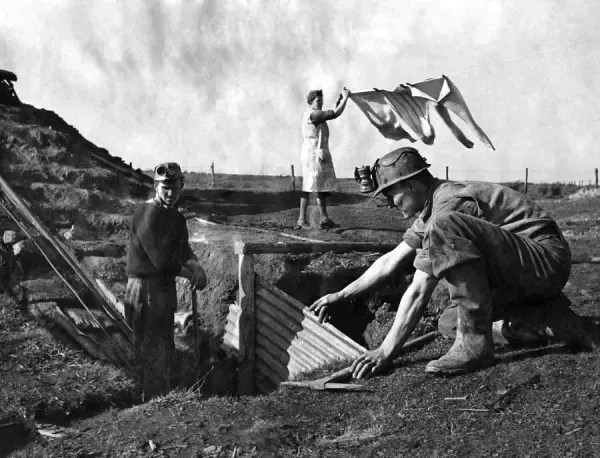
The history of coal miners’ laundry reflects a broader narrative of resilience and ingenuity. In mining communities, washing clothes became a communal effort, with women sharing tips and techniques to combat the endless grime. The use of vinegar and detergent, now a go-to solution, is a testament to the resourcefulness of those who had to make do with what they had. Over time, this knowledge was passed down through generations, creating a legacy of practical wisdom.
While modern advancements have reduced some of the dangers associated with coal dust, the core challenges remain. Laundresses, whether in the past or present, face a unique set of obstacles that require both physical strength and mental fortitude. Their work is a vital, if often invisible, part of the mining ecosystem, ensuring that the miner can return to the mines each day in clean clothes—ready to face another shift.
Today, as we reflect on the lives of coal miners and their families, it is important to recognize the unsung heroes who bear the burden of cleaning the aftermath. Their efforts, though largely unseen, are a testament to the enduring spirit of mining communities. So the next time you hear about the grit of a coal miner, spare a thought for the laundress standing over a tub of soapy water, fighting her own battle against the dust and grime of the mining world.
Final Spin:
Coal miners may emerge from the depths covered in soot and sweat, but it’s the laundress who faces the true aftermath, waging a quiet war against dust, grime, and health hazards. Each scrub, soak, and rinse is a testament to resilience, ingenuity, and sheer perseverance—proof that the work behind the scenes is just as vital as the toil underground. In every vinegar-soaked garment and stubborn stain conquered, the laundress preserves not just clothing, but the dignity and continuity of an entire mining community.
Support The Laundry Club Blog – because even the dustiest work deserves a clean finish.

 The Laundry Club Blog
Leave a comment