When most people think of crime scenes, their minds conjure images of detectives, forensic scientists, and yellow tape cordoning off the area. Rarely, if ever, does anyone think about the aftermath—the cleanup. One highly specialized yet often overlooked aspect of crime scene cleanup is crime scene laundry. This unique field plays an essential role in restoring normalcy after tragic events, ensuring both the safety and emotional well-being of those affected. Despite its importance, crime scene laundry remains shrouded in obscurity. This blog explores the significance of this field, its societal necessity, the inherent risks, and real-life examples of its application.
What Is Crime Scene Laundry?
Crime scene laundry involves the cleaning, sanitization, and restoration of textiles and fabrics contaminated at crime scenes. These items may include clothing, bedding, curtains, and even upholstery. Unlike general laundry services, crime scene laundry requires specialized knowledge, equipment, and cleaning agents to safely remove biological hazards such as blood, bodily fluids, and other contaminants. It’s a niche service typically undertaken by professionals trained in biohazard remediation.
The Importance of Crime Scene Laundry
At its core, crime scene laundry serves both practical and emotional purposes. From a public health perspective, it prevents the spread of pathogens and ensures that contaminated materials do not pose a risk to individuals who come into contact with them. For families and individuals directly impacted by a crime, crime scene laundry offers a path to reclaiming their space and belongings. It’s a small but vital step toward healing and moving forward after traumatic events.
Why Many Are Unaware of Its Existence
The general public often assumes that all crime scene cleanup tasks are handled by law enforcement or forensic teams. However, the responsibility for cleaning and restoring a site, including laundering contaminated textiles, usually falls to specialized private companies. This lack of awareness stems from the stigmatization of death and violence, which are topics many prefer not to dwell on. Additionally, crime scene laundry operates quietly and discreetly, further contributing to its low visibility.
The Need for Crime Scene Laundry in Society
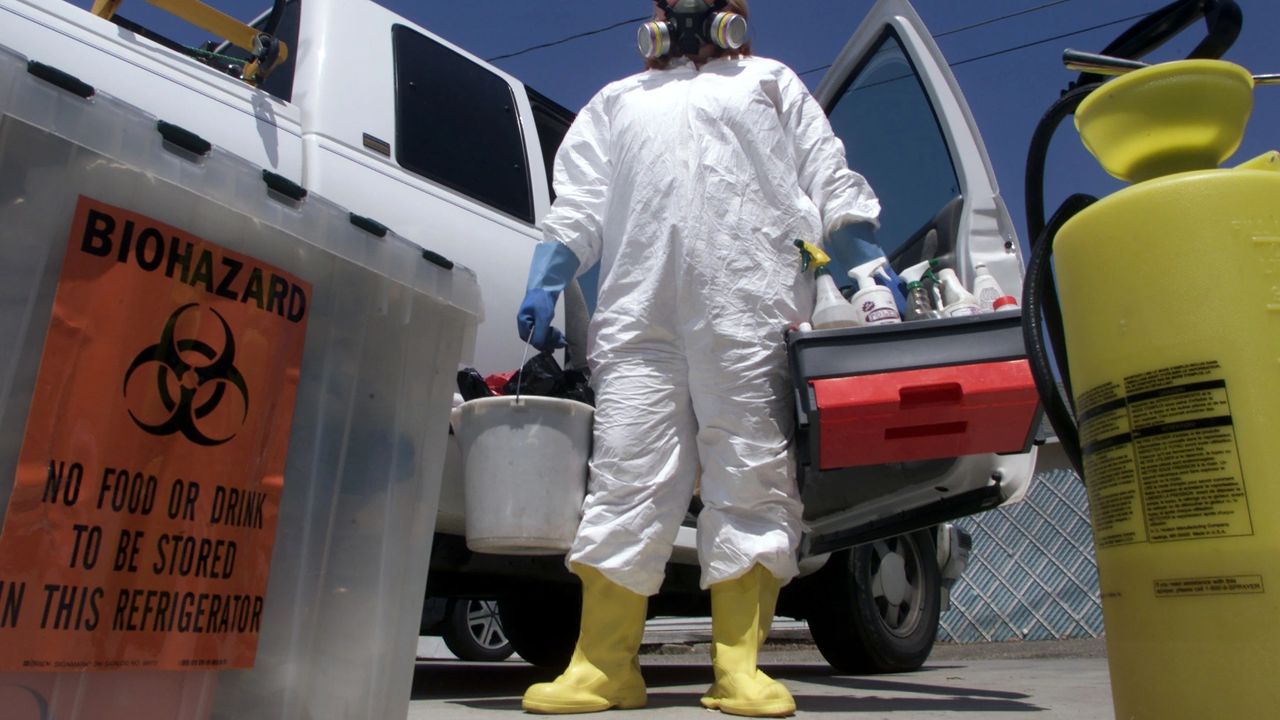
Society’s need for crime scene laundry is undeniable. Violent crimes, suicides, and unattended deaths often leave behind contaminated textiles that cannot simply be thrown away or cleaned using standard methods. These situations demand the expertise of trained professionals who understand the risks associated with biohazards. In cases involving infectious diseases, such as Hepatitis B, Hepatitis C, or HIV, improper cleaning can result in the spread of these diseases to others. Crime scene laundry helps mitigate such risks, making environments safe for habitation and use once again.
Moreover, crime scene laundry is crucial in cases involving large-scale disasters or mass casualty events. Hospitals, first responders, and law enforcement agencies often rely on these services to clean uniforms, linens, and other materials exposed to biological contaminants. Without this specialized field, the risks to public health would increase significantly.
The Risks Associated with Crime Scene Laundry
Crime scene laundry is not without its dangers. Professionals in this field face exposure to numerous hazards, including:
- Biological Hazards: Bloodborne pathogens and other infectious agents pose significant risks. Improper handling can lead to infections or disease transmission.
- Chemical Exposure: The cleaning agents required to sanitize contaminated fabrics often include harsh chemicals that can be harmful if not used correctly.
- Emotional Toll: Repeated exposure to traumatic scenes can take a psychological toll on professionals, leading to burnout or secondary traumatic stress.
- Cross-Contamination: Without rigorous protocols, there is a risk of spreading contaminants to other areas, equipment, or even personnel.
Applications and Examples of Crime Scene Laundry
Crime scene laundry is used in a variety of situations, including:
- Residential Settings: In cases of domestic violence, suicides, or accidents, contaminated clothing, bedding, or furniture may require professional cleaning.
- Commercial Spaces: Hotels, rental properties, and businesses sometimes face situations where crime scene laundry is necessary to sanitize linens, carpets, or uniforms.
- Healthcare Facilities: Hospitals and nursing homes often deal with biohazardous materials and rely on specialized laundry services during outbreaks or post-trauma events.
- Law Enforcement and Emergency Services: Police uniforms, firefighter gear, and ambulance linens frequently require decontamination after exposure to biological hazards.
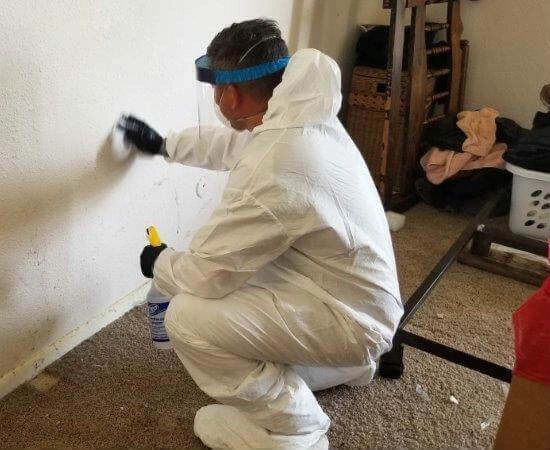
One notable example of crime scene laundry in action occurred in Las Vegas following the 2017 mass shooting at the Route 91 Harvest Festival. The tragic event left a devastating impact, not just on the victims and their families but also on the surrounding area. Linens, clothing, and other textiles from the scene—some belonging to victims, others part of emergency response efforts—required careful and thorough cleaning to remove blood and other biohazards. Specialized cleanup teams, including crime scene laundry professionals, played an integral role in the recovery process, ensuring the safety of first responders and helping to restore a sense of normalcy for the community.
Another instance occurred in a New York City hospital during the early days of the COVID-19 pandemic. Medical staff’s scrubs, masks, and bedding were often exposed to the virus. In these high-stakes scenarios, crime scene laundry teams were employed to ensure contaminated textiles were sanitized effectively, reducing the risk of further transmission within the healthcare facility.
The Purpose It Serves
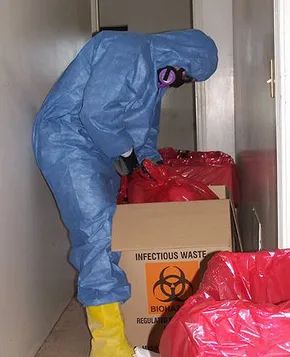
Crime scene laundry goes beyond mere cleaning; it’s about restoring dignity and safety. For families grieving a loss, the ability to reclaim sentimental items like clothing or bedding—cleaned and sanitized—can be a significant step in the healing process. For businesses and public institutions, crime scene laundry ensures compliance with health and safety regulations, allowing them to resume operations without jeopardizing public health.
In addition, crime scene laundry supports forensic investigations. In some cases, textiles may contain evidence crucial to solving a crime, such as DNA or gunshot residue. Crime scene laundry professionals must be trained to identify and preserve such evidence before proceeding with cleaning.
Crime scene laundry is an indispensable yet underappreciated aspect of crime scene remediation. It addresses public health concerns, aids emotional recovery, and ensures compliance with safety standards. While many remain unaware of its existence, its impact is far-reaching, touching the lives of individuals, families, and communities during their most challenging moments. As society continues to grapple with the realities of crime and disaster, the importance of this field will only grow. By shining a light on this essential service, we can better appreciate the unseen efforts that help restore order and safety in the wake of tragedy.
Final Spin:
Crime scene laundry may operate in the shadows, but its impact is profound. Beyond the scrubbing, sanitizing, and decontaminating lies a service that restores safety, dignity, and a measure of peace to those affected by tragedy. Each load cleaned represents a small victory over chaos, a reclaiming of normalcy from the aftermath of violence or disaster. It’s a reminder that even in the darkest moments, there are hands quietly working to restore order, care, and humanity—one garment at a time.
Support The Laundry Club Blog – because even the toughest stains deserve a second chance.

 The Laundry Club Blog
Leave a comment