Fabric softeners and dryer sheets have been a laundry staple for decades, helping clothes feel softer, smell fresher, and reduce static cling. But have you ever wondered how they actually work? Or which option is better for your laundry routine? This guide delves deep into the science, history, and effectiveness of both fabric softeners and dryer sheets, helping you make an informed decision on what’s best for your clothes and the environment.
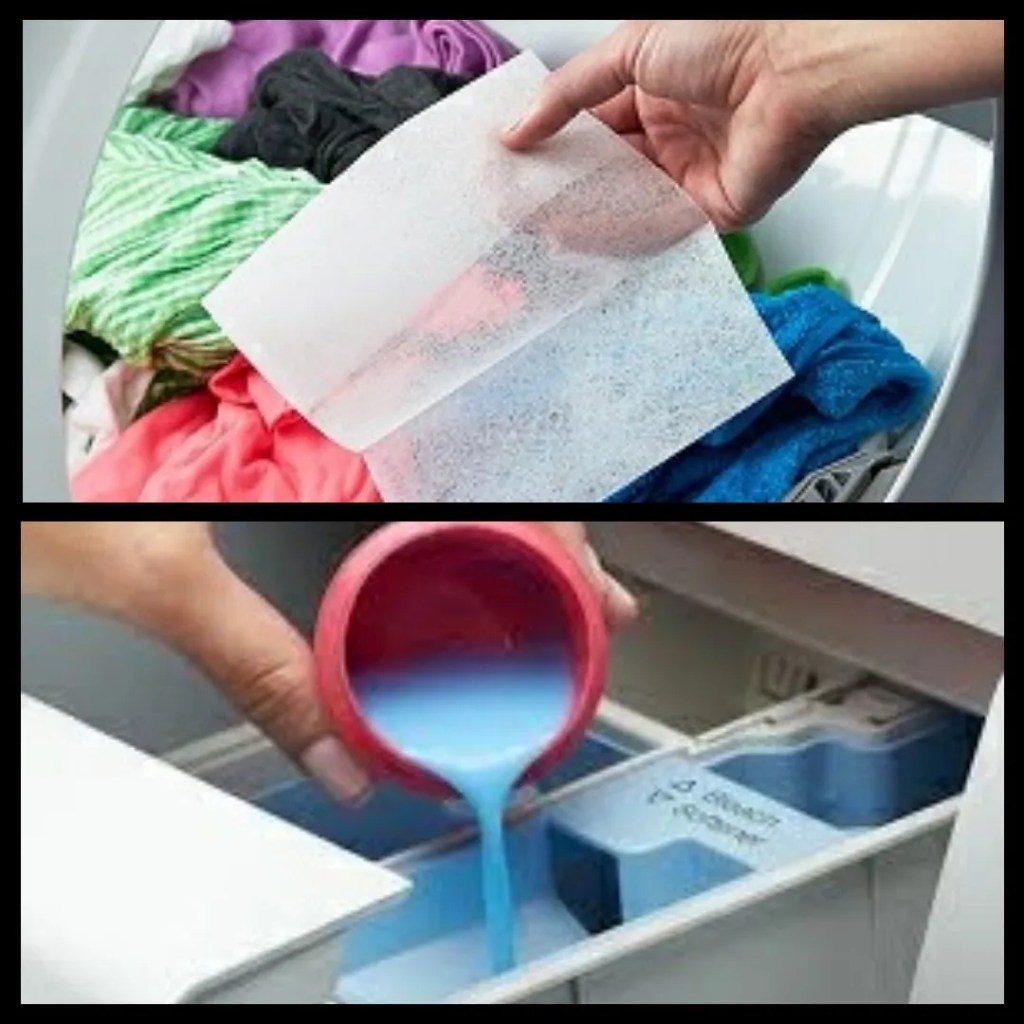
The History of Fabric Softeners and Dryer Sheets
Fabric softeners first appeared in the early 20th century, primarily developed to counteract the stiffness caused by early detergent formulations. These detergents often left clothes feeling rough and scratchy, especially cotton and linen materials. Early softeners were made with soap-based ingredients mixed with oils to coat fabric fibers, making them feel smoother.
By the 1960s, fabric softeners became commercially available, with brands like Downy and Snuggle leading the market. Their formulas evolved, incorporating chemical surfactants to help evenly distribute the softening agents across fabrics, making laundry feel consistently smooth and pleasant.
Dryer sheets entered the market in the 1970s as an alternative to liquid softeners. Invented by Conrad J. Gaiser, dryer sheets combined a fabric softening agent with a heat-activated coating, helping reduce static electricity and making clothes feel softer. This innovation was particularly useful for those who preferred the convenience of a toss-in-the-dryer solution.
The Science Behind Fabric Softeners
Fabric softeners work by depositing a thin, lubricating layer on clothing fibers, which makes them feel smoother and less likely to cling together due to static. Here’s how:
- Cationic Surfactants: These positively charged molecules bind to the negatively charged fibers in fabrics, neutralizing static electricity and making clothes feel softer.
- Fatty Acids & Silicones: These ingredients coat the fabric, reducing friction and preventing wear and tear.
- Fragrances & Preservatives: Many softeners include synthetic fragrances and antimicrobial agents to give clothes a fresh scent and prevent mildew buildup.
However, fabric softeners can sometimes reduce the absorbency of certain fabrics, such as towels, by leaving behind a residue that builds up over time.
The Science Behind Dryer Sheets
Dryer sheets work slightly differently than fabric softeners. Instead of being added during the wash cycle, they are placed in the dryer, where heat activates their softening agents.
- Coated Fabric Softening Agents: Dryer sheets are made from non-woven polyester coated with fatty acids or silicones, which are released through heat and friction during the drying cycle.
- Electrostatic Neutralization: By balancing the electric charge that builds up in the dryer, dryer sheets reduce static cling between clothes.
- Fragrance & Freshness Boost: Most dryer sheets contain perfumes or essential oils to leave clothes with a pleasant scent post-drying.
Because dryer sheets work by coating the surface of clothes rather than penetrating deep into fibers, they are less likely to impact absorbency compared to liquid softeners.
Fabric Softener vs. Dryer Sheets: Which Works Better?
Softness
Fabric softeners generally provide more noticeable softness since they are added during the wash cycle and penetrate deep into fabric fibers. Dryer sheets, while effective, primarily work on the surface of fabrics.
Static Control
Dryer sheets are better at reducing static cling because they are specifically designed to neutralize static buildup inside the dryer. Fabric softeners help but are not as effective in this regard.
Fragrance & Freshness
Both options add fragrance, but fabric softeners tend to have a longer-lasting scent since they coat fibers more thoroughly. Dryer sheets provide a temporary burst of freshness but may fade faster.
Impact on Absorbency
Fabric softeners can reduce the absorbency of towels and athletic wear by leaving behind a coating that repels water. Dryer sheets have a milder effect in this regard.
Environmental Considerations
- Fabric Softeners: Many commercial softeners contain chemicals that can contribute to water pollution. Some formulations also include non-biodegradable ingredients.
- Dryer Sheets: Many traditional dryer sheets are single-use and end up in landfills. However, reusable options made from wool or natural fibers are available.
For eco-conscious consumers, plant-based softeners and biodegradable dryer sheets are good alternatives.
Are Fabric Softeners and Dryer Sheets Bad for Clothes?
While these products improve the feel and scent of laundry, they can have drawbacks:
- Residue Build-up: Fabric softeners can accumulate on fabrics and in washing machines, potentially affecting performance.
- Sensitivity Issues: Some people may experience skin irritation from synthetic fragrances and chemicals.
- Impact on Performance Fabrics: Athletic wear and microfiber fabrics are less effective when coated with softening agents, as they are designed to wick moisture away.
Alternative Natural Fabric Softeners
If you’re looking for a more natural way to soften clothes, here are some eco-friendly alternatives:
- White Vinegar: Adding half a cup of vinegar to the rinse cycle can naturally soften fabrics and remove detergent residue.
- Baking Soda: A natural deodorizer, baking soda helps maintain fabric softness when added to the wash cycle.
- Wool Dryer Balls: These reusable balls help soften clothes, reduce drying time, and eliminate static without chemicals.
- Essential Oils: Adding a few drops of lavender or citrus essential oil to dryer balls or vinegar can provide a pleasant, chemical-free scent.
Which Should You Choose?
The choice between fabric softeners and dryer sheets depends on your laundry goals. If you want long-lasting softness and fragrance, fabric softeners are the better choice. If you prioritize static control and convenience, dryer sheets may be more practical. However, for those concerned about chemicals and environmental impact, natural alternatives like vinegar, wool dryer balls, and baking soda provide effective solutions.
Ultimately, understanding the science and history behind these products can help you make informed decisions that keep your clothes fresh, soft, and long-lasting without unnecessary damage or waste.
Final Spin
What we toss into the washer or dryer does more than soften socks—it shapes how we care for our clothes, our skin, and our environment. Whether you’re team fabric softener, ride-or-die for dryer sheets, or rolling with wool balls and vinegar, just know this: every load is a little chemistry experiment with consequences. Choose wisely, sniff deeply, and always check your lint trap—for residue and regrets.
Support The Laundry Club Blog: Because investigating fabric softener like it’s a true crime case deserves more than just static-free applause.

 The Laundry Club Blog
Leave a comment