Laundry might seem like a simple, mundane task, but if you’ve ever pulled out a load of whites turned pink or discovered your favorite sweater has shrunk to toddler size, you know that sorting laundry correctly is essential. Sorting isn’t just about separating light and dark colors—it’s about protecting fabrics, preserving colors, and making sure your clothes last longer.
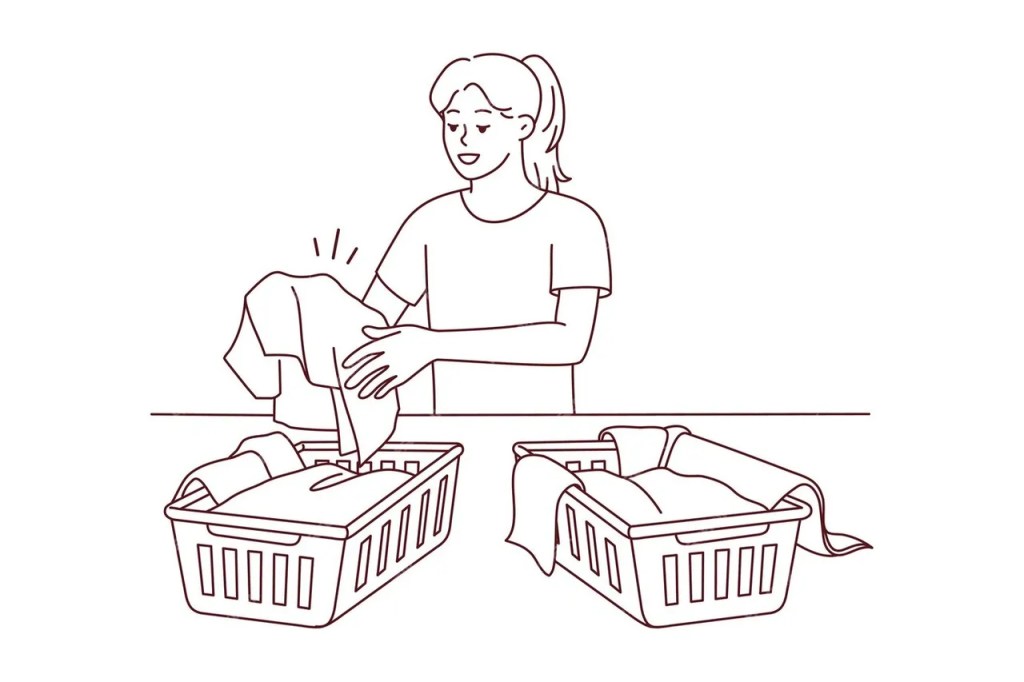
If you’ve been tossing everything into the washing machine without a second thought, it’s time to upgrade your laundry game. Here’s a complete guide to sorting your laundry the right way.
Why Sorting Laundry Matters
Sorting laundry is more than just preventing colors from bleeding onto lighter fabrics. Proper sorting helps:
- Prevent Color Transfer: Dark and bright-colored clothes can bleed dye onto lighter garments, especially in warm water washes.
- Maintain Fabric Integrity: Delicate fabrics need gentler cycles, while sturdier fabrics can handle more agitation.
- Ensure Proper Cleaning: Different fabrics require different water temperatures and detergent types to get truly clean.
- Extend the Life of Your Clothes: Proper care prevents wear and tear, keeping your wardrobe in great condition for longer.
Now that we know why sorting is important, let’s break down the best way to do it.
Step 1: Separate by Color
The most basic way to sort laundry is by color, but you can go beyond just “lights” and “darks.” Try these categories:
- Whites: This includes underwear, socks, t-shirts, towels, and bedsheets. Wash these in warm or hot water to maintain brightness and remove bacteria.
- Lights/Pastels: Soft colors like beige, light gray, yellow, pink, and baby blue should be washed separately from pure whites to avoid dulling.
- Darks: Black, navy, deep purple, brown, and dark green items should be washed together in cold water to prevent fading.
- Brights: Vibrant reds, oranges, greens, and blues can bleed onto lighter fabrics. Keep them together in a cold wash to minimize color transfer.
Pro Tip: If you’re worried about color bleeding, use a color catcher sheet to trap excess dye during washing.
Step 2: Separate by Fabric Type
Different materials require different care. Mixing heavy and delicate fabrics in the same load can lead to damage. Here’s how to separate by fabric type:
- Delicates & Lingerie: Items like lace, silk, and bras need a gentle cycle and should be placed in a mesh laundry bag.
- Heavy Fabrics: Jeans, towels, and sweatshirts are best washed separately because they require a longer wash cycle and more detergent.
- Activewear & Synthetics: Polyester, spandex, and moisture-wicking fabrics should be washed in cold water with mild detergent to prevent breakdown.
- Wool & Cashmere: These should be hand-washed or placed on the delicate cycle with cold water and mild detergent.
Pro Tip: Washing towels separately from clothing prevents lint transfer and ensures proper drying.
Step 3: Separate by Level of Dirtiness
Heavily soiled items need more detergent and a longer wash cycle. Keep them separate from lightly worn clothes to ensure everything gets clean without over-washing less dirty garments.
- Lightly Worn Items: T-shirts, casual wear, and office clothes usually need a standard wash.
- Moderately Dirty Items: Gym clothes, pajamas, and everyday wear may have sweat and light stains that need more attention.
- Heavily Soiled Items: Work clothes, uniforms, kids’ play clothes, and gardening gear should be washed in a longer, more intense cycle with pre-treatment for stains.
Pro Tip: Always pre-treat stains before washing to avoid setting them in permanently.
Step 4: Sort by Water Temperature Needs
Water temperature affects fabric care and stain removal. Sorting based on temperature can prevent shrinkage and damage.
- Hot Water (130°F or higher): Best for whites, towels, and heavily soiled clothes. Kills bacteria and removes grease.
- Warm Water (90°F – 110°F): Good for synthetic fabrics, light colors, and casual wear.
- Cold Water (60°F – 80°F): Ideal for darks, brights, delicates, and shrink-prone fabrics. Cold water also saves energy!
Pro Tip: Use warm or cold water whenever possible to prevent shrinking and color fading while saving on energy bills.
Step 5: Use the Right Wash Cycle
Once sorted, using the correct cycle ensures optimal cleaning:
- Normal Cycle: Best for cotton, jeans, and heavily soiled clothes.
- Permanent Press: For synthetic fabrics, reducing wrinkles.
- Delicate/Gentle: For lingerie, lace, and silk.
- Heavy Duty: Great for towels, linens, and extra-dirty loads.
Pro Tip: Adjust spin speeds to match the fabric. High spin speeds can damage delicates!
Additional Tips for Smart Sorting
- Empty Pockets: Check for tissues, coins, pens, or receipts before washing.
- Close Zippers & Fasten Hooks: Prevents snagging on other clothes.
- Turn Clothes Inside Out: Helps protect prints, embroidery, and dark colors from fading.
- Use Mesh Laundry Bags: For delicate items like bras, underwear, and lace to prevent stretching and tangling.
- Separate Pet Hair Items: Wash pet blankets and clothes separately to avoid fur transfer.
Sorting your laundry the right way may take a little extra time, but it’s a game-changer for keeping your clothes fresh, clean, and long-lasting. By separating by color, fabric type, dirt level, and water temperature, you’ll prevent mishaps, save money on clothing replacement, and achieve better results with every wash.
Final Spin
Sorting laundry isn’t just about clean clothes—it’s a small act of care, of slowing down, of getting it right before the wash begins. Because in a world full of chaos and shrinkage (literal and metaphorical), a little order in the laundry room feels like a win. And remember: the only thing in life that should be separated by color is the laundry.
Support The Laundry Club Blog: Because I’m out here saving sweaters and preaching pocket-checks—one load at a time.

 The Laundry Club Blog
Leave a comment