The price of laundry detergent has undergone significant changes over the years, influenced by factors such as production costs, consumer demand, technological innovations, and economic shifts. From the introduction of the first synthetic detergents in the early 20th century to today’s highly concentrated formulas and premium products, laundry detergent has evolved from a simple soap into a multi-billion-dollar industry. This list will cover major laundry detergent brands, historical context, and pricing information from the first manufactured detergent to today’s market.

Early 20th Century: The Introduction of Synthetic Detergents
1900s – 1930s: Traditional Soap Dominates
Before the advent of synthetic detergents, laundry soap was made from natural ingredients like animal fats and lye. These early soaps were used by consumers to wash clothes by hand or in rudimentary washing machines. At the time, detergent products were relatively affordable, though often harsh on fabrics. Prices for soap ranged from 5 to 10 cents per bar.
1930s: The Birth of Synthetic Detergents – Dreft by Procter & Gamble (P&G)
The first significant innovation in laundry detergent came in 1933 when Procter & Gamble (P&G) introduced Dreft, the first synthetic detergent to be sold commercially. Unlike soap, Dreft did not leave soap scum behind, making it ideal for cleaning delicate fabrics. The product was sold at around 25 cents per box, which was a premium price compared to regular soap at the time. This marked the beginning of the transition from traditional soap to detergent.
1940s-1950s: The Rise of Tide and Persil
The 1940s saw the expansion of synthetic detergents. P&G introduced Tide in 1946, which would go on to become one of the best-known and most widely used detergent brands in the U.S. The initial price for a box of Tide was about 30 cents. Tide’s introduction marked a significant leap forward in detergent technology, as it was the first product to contain a full range of cleaning agents, which enabled it to clean more effectively than previous options.
In the 1950s, Persil, a German brand created by Henkel, became a competitor in the U.S. market. It was marketed as a premium product and was priced higher than Tide due to its superior stain-fighting capabilities.
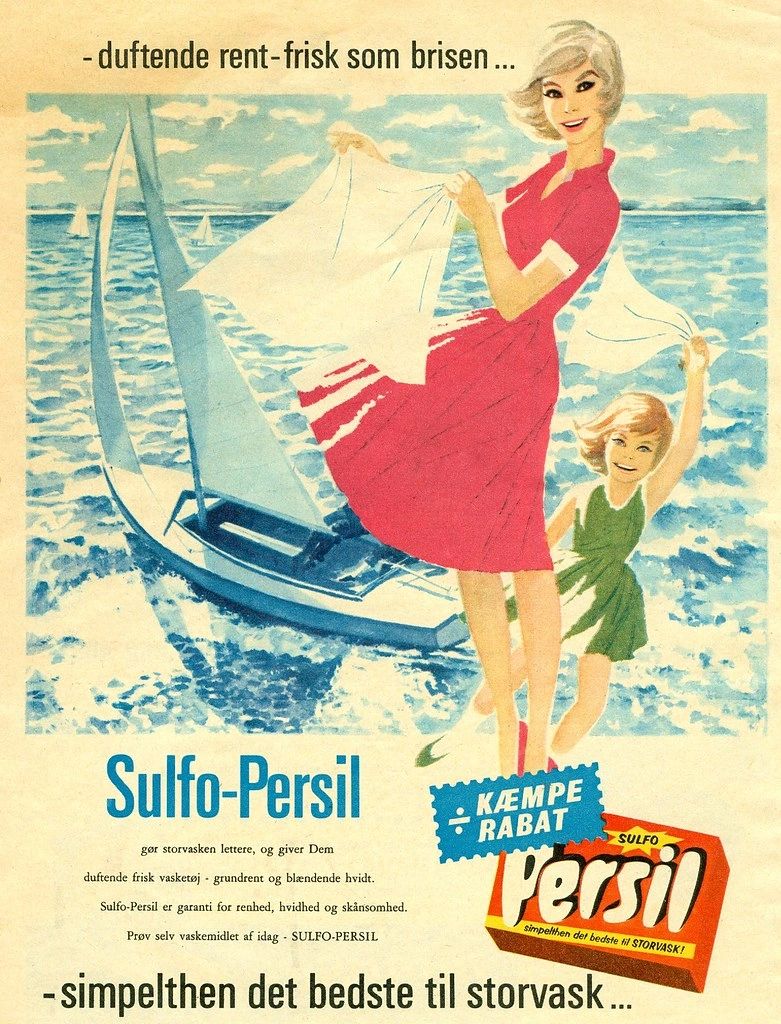
1960s-1970s: Innovation and Expansion of Laundry Detergent Products
The 1960s and 1970s were decades of innovation and market expansion for laundry detergents. During this time, more brands entered the market, and detergent formulas improved significantly.
1960s: The Emergence of Powdered Detergents
Powdered detergents became the standard product for washing machines, offering consumers a more efficient and cost-effective way to clean their clothes. The typical price of a 5-pound box of Tide was around $1.50 by the mid-1960s. The 1960s also saw the launch of additional variants like Tide with Bleach and Fab, a new detergent from P&G. Prices varied depending on the brand and size, with an average cost for laundry detergent being 10 to 20 cents per load.
1970s: Introduction of Liquid Detergents
In the 1970s, Liquid Tide was introduced, offering a more convenient form of detergent for consumers who disliked the mess of powder. It was marketed as gentler on clothes, and its initial cost was slightly higher than powdered variants. A bottle of liquid Tide in the 1970s cost around $2 for 64 ounces. Additionally, the rise of environmental consciousness in the 1970s led to the introduction of “eco-friendly” formulas, although these were initially niche products with limited availability.

1980s-1990s: Premium Products and Price Growth
By the 1980s and 1990s, laundry detergents had become mainstream household products. More advanced formulations, including detergents with bleach, fabric softeners, and stain-fighting enzymes, dominated the market. This was also a period of premium product introductions.
1980s: Price Increase and Premium Variants
In the 1980s, laundry detergents began to increase in price, partly due to inflation and higher production costs. A box of Tide in 1985 was priced around $5.00 for 100 ounces. This period also saw the launch of premium products such as Tide with Bleach and Wisk, which boasted superior stain-fighting capabilities. These premium detergents were marketed at higher price points, reflecting the advanced formulas and specialized features.
By the early 1990s, the price of laundry detergent had continued to rise due to the increased cost of raw materials, such as oils and surfactants. For example, by 1994, the price for a 100-ounce bottle of Tide was approximately $7.00. The 1990s also marked the introduction of specialized detergents, such as those for sensitive skin or those containing enzymes for removing pet stains.
1990s: The Introduction of Laundry Pods and Convenience Products
The 1990s were also a turning point for the convenience of laundry products. The launch of liquid detergent pods, such as Tide Pods, revolutionized the market by providing an easy-to-use, pre-measured dose of detergent. However, these products were initially more expensive, with prices for a package of 30 pods ranging from $12 to $15, making them a premium choice.
2000s: The Emergence of Concentrated Detergents
In the early 2000s, manufacturers began to introduce concentrated detergent formulas. These concentrated detergents required smaller doses per load, making them more economical for consumers over time, though the upfront cost was higher. Concentrated detergents also reduced packaging waste and transportation costs.
2005: The Price of Tide and Competitor Brands
In 2005, the price of a 100-ounce bottle of Tide was around $10.00. However, with the introduction of concentrated formulas, detergent volumes shrank while prices remained comparable. Many consumers were initially hesitant to switch to concentrated products due to concerns about their effectiveness, but concentrated detergents proved to be just as powerful, if not more so.
2010s: Continued Price Increases and Market Trends
In the 2010s, the price of laundry detergent continued to increase due to rising raw material costs, particularly for chemicals like surfactants and fragrances. In addition, brands began offering premium “green” or eco-friendly products. These were marketed at higher prices due to the use of natural ingredients and sustainable manufacturing processes.
2010-2015: Tide and Leading Brands Price Comparison
By 2015, a 100-ounce bottle of Tide liquid detergent cost about $12.00, reflecting the brand’s status as the market leader in laundry products. Other brands, such as Arm & Hammer and All, offered alternative detergents at lower prices, with prices for 100-ounce bottles ranging from $7.00 to $9.00. The introduction of more environmentally friendly detergents also led to higher prices, with some eco-conscious options priced as high as $15.00 for similar bottle sizes.
2020s: Innovation in Detergents and Rising Prices
The price of laundry detergent has continued to rise into the 2020s, driven by factors such as inflation, supply chain disruptions, and increased demand for eco-friendly and concentrated products. Additionally, the rise of premium brands offering specialized formulations, such as detergents for sensitive skin or specific fabric types, has contributed to this trend.
2020-2025: Price Comparison of Leading Brands
By 2024, the price for a 100-ounce bottle of Tide with Bleach reached around $15.00, making it one of the most expensive mainstream options. Other leading brands, such as Persil and Arm & Hammer, offer products priced in the range of $10.00 to $14.00 per bottle, with smaller, more concentrated versions available for around $8.00 to $10.00. However, the rise of discount retailers and online platforms like Amazon has allowed consumers to find competitive pricing, often offering bulk discounts or subscription-based delivery services.
2025: Ongoing Trends and Future Outlook
As of 2025, laundry detergent prices are projected to continue increasing, with some premium products reaching upwards of $16.00 for a 100-ounce bottle. The move toward concentrated detergents and laundry pods remains popular, with these products typically priced at $15.00 or higher for a 32- to 40-load package.

Many consumers are also turning to more sustainable laundry products, such as those featuring biodegradable packaging or plant-based ingredients. These products, while more expensive upfront, cater to growing concerns about environmental impact.
Final Spin
From lye and animal fat to lavender-scented pods in biodegradable boxes, laundry detergent has cleaned more than just clothes—it’s scrubbed its way through history, economics, and culture. As the price tag keeps climbing, remember: every load you wash carries the legacy of a century’s worth of chemistry, marketing, and consumer habits. It’s not just soap—it’s supply chains, social shifts, and sudsy survival.
Support The Laundry Club Blog: Because tracking detergent prices for 125 years so you don’t have to should at least earn me some quarters for the spin cycle.

 The Laundry Club Blog
Leave a comment