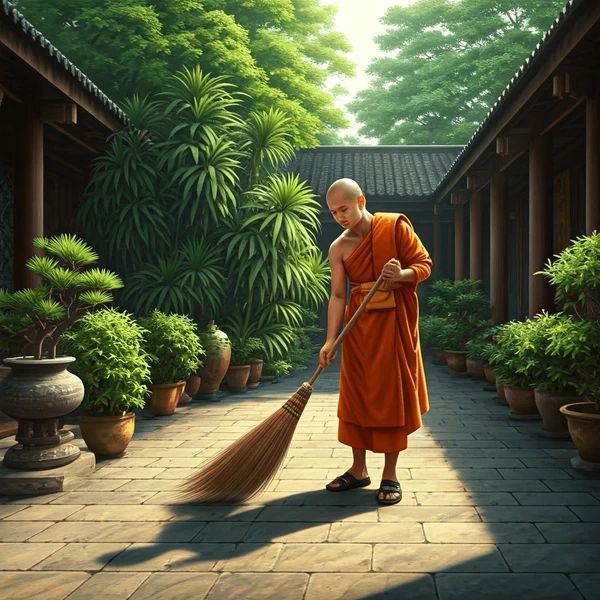
“Before enlightenment, chop wood and carry water. After enlightenment, chop wood and carry water”
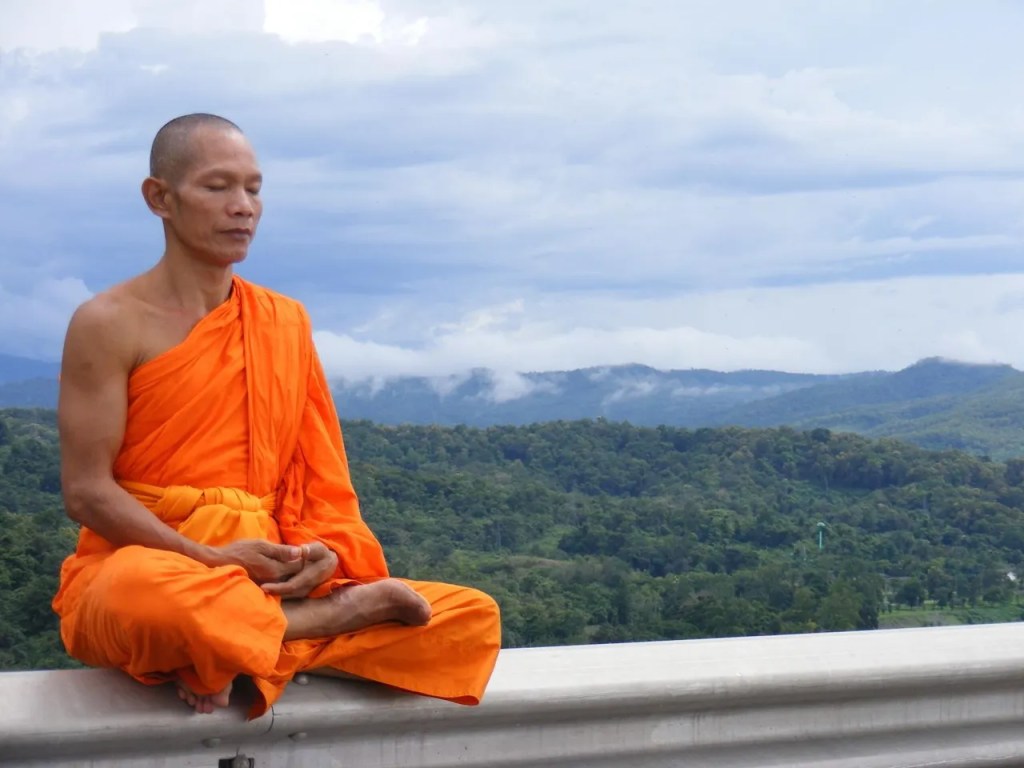
In the quiet rhythm of monastic life, where the pursuit of enlightenment guides every action, even the mundane task of laundry takes on profound significance. Buddhist monks, known for their simple lives and disciplined routines, approach laundry as more than just a chore—it is an extension of their spiritual practice.
Simplicity in Possessions
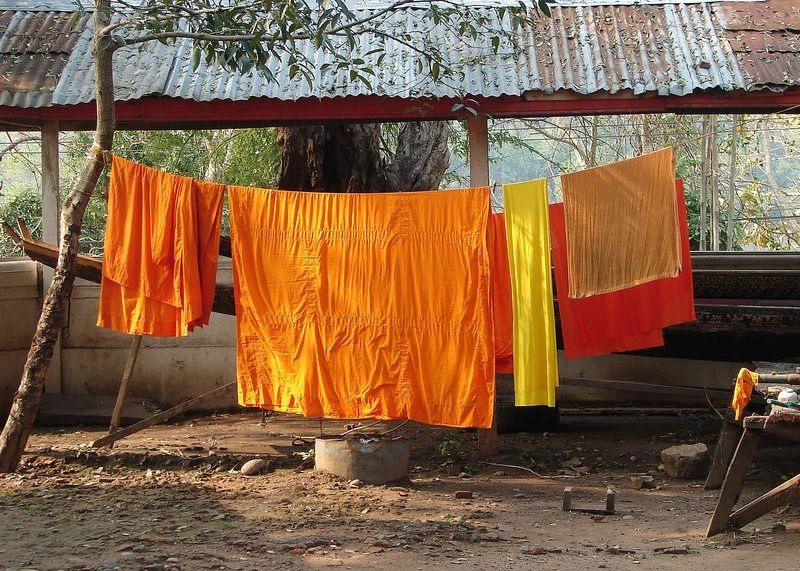
At the heart of Buddhism lies the concept of non-attachment, a principle that extends to material possessions. Monks traditionally own only a handful of items: a begging bowl, a razor, a water strainer, and a set of robes. These robes, often dyed in earthy hues like saffron or ochre, are both a symbol of renunciation and a practical necessity. With such limited possessions, keeping their robes clean becomes essential, not just for hygiene but as a reflection of their inner discipline and respect for the Dharma.
The Ritual of Washing
For monks, washing robes is not hurried or thoughtless. It is a ritual in itself, imbued with mindfulness. Whether scrubbing by hand in a flowing river or rinsing garments in a modest basin, the act is carried out with full awareness. Each motion—wringing, scrubbing, rinsing—is a meditation, a moment to practice being present in the here and now. In Theravāda Buddhism, even ancient texts like the Vinaya Pitaka—the code of monastic discipline—provide detailed instructions on caring for robes, underscoring the importance of cleanliness and diligence.
Robes With a Story
The robes themselves hold symbolic meaning. Early Buddhist monks, following the example of the Buddha, would collect discarded cloth from rubbish heaps or cremation grounds. These scraps were pieced together and dyed with natural pigments to create a functional garment. The patchwork nature of these robes is a reminder of impermanence and the interconnectedness of all things. Each stitch is a symbol of gratitude for the resources available, no matter how humble their origin.
Today, in many monasteries, the tradition of sewing and dyeing robes continues. Monks work together to prepare their garments, reinforcing the values of community and interdependence. Laundry, in this context, becomes a collective effort—a chance to connect with one another while fulfilling a practical need.
Lessons in Detachment
Washing robes can also serve as a metaphor for the inner work of purifying the mind. Just as dirt and stains are removed from fabric, so too must impurities like greed, anger, and ignorance be cleansed from the heart. This parallel is a powerful reminder that spiritual practice encompasses every aspect of life, even the seemingly insignificant.
Modern Monastic Life
In contemporary Buddhist communities, the practice of laundering robes has adapted to modern conveniences while maintaining its spiritual essence. Monasteries equipped with washing machines still emphasize mindfulness. A monk pressing the start button might reflect on the interdependence of the machine’s components, the labor that created it, and the resources that power it. Others may still prefer traditional methods, preserving the tactile connection to the task.
The Layperson’s Perspective
The lessons monks derive from laundry are not limited to monastic life. Lay practitioners can adopt a similar mindset, transforming their own household chores into opportunities for mindfulness. Folding clothes, hanging them to dry, or ironing them can all become acts of meditation, fostering gratitude for the clothing that protects and comforts us.
The Buddha’s Example
While there are no specific records of the Buddha doing laundry, his teachings encourage simplicity and mindfulness in every action. The Buddha’s own lifestyle, characterized by humility and attentiveness, serves as an example for monks and laypeople alike. In the stories passed down through centuries, we find glimpses of how the Buddha’s followers integrated spiritual principles into daily life, ensuring that even the most mundane activities reflected their commitment to the Eightfold Path.
A Universal Connection
Laundry, as a basic human necessity, transcends cultures and religions. In Buddhist thought, this universality reinforces the idea that we are all interconnected. Whether a monk scrubbing a robe in the Himalayas or a busy parent tossing clothes into a washing machine, the act of cleaning garments binds us in our shared humanity. When approached with mindfulness, even this everyday task becomes a reminder of the sacredness of life.
Final Spin
The next time you fold a fresh load of laundry or watch the suds swirl in the wash, take a moment to reflect. Think of the water flowing through your machine, the soap that cleanses your clothes, and the hands—near and far—that made your garments. Each piece is part of a larger web of life, a reminder that even ordinary tasks are steeped in connection and care.
In that quiet attention, you might sense the same mindfulness that Buddhist monks find in every fold of their robes. As the Buddha taught, enlightenment is not separate from daily life—it lives in the world around us, even in the humble rhythm of a laundry day.
Support The Laundry Club Blog — celebrating the everyday moments that carry meaning.

 The Laundry Club Blog
Leave a comment