When you throw your clothes into a washing machine and press a button, it’s easy to take the process for granted. But laundry has come a long way from its humble, labor-intensive origins. Let’s dive into the fascinating history of laundry—a journey that spans thousands of years, from riverside scrubbing to robotic machines.

Ancient Methods: The Origins of Laundry
Long before the hum of washing machines or the click of a detergent pod, the process of cleaning clothes was labor-intensive, rudimentary, and an essential part of daily life. In ancient times, laundry meant heading to the nearest river, armed with garments, a makeshift scrubber, and an iron resolve to tackle dirt by sheer physical effort. This practice, although primitive by today’s standards, laid the foundation for the evolution of laundering techniques.
The process itself was straightforward yet grueling. Clothes were soaked in river water, then beaten against rocks to loosen dirt and grime. Sometimes, sand was used as a natural abrasive to scrub stubborn stains, while foot stomping served as a crude yet effective method to agitate the fabric. The flowing river provided an early “rinse cycle,” carrying away dirt and impurities, leaving the garments cleaner than before. While this may sound like a chore, it was also a communal activity. Families and neighbors gathered by the riverbanks, turning laundry days into opportunities for storytelling, gossip, and bonding. These riverbanks were not just utilitarian spaces but cultural hubs where daily life unfolded.
A pivotal moment in laundry history came with the discovery of soap-like substances. Around 2800 BC, the Babylonians created one of the earliest known forms of soap, made from a mixture of ashes and animal fats. Though simple, this innovation was revolutionary. The alkaline properties of ash helped to break down grease and dirt, making the cleaning process more effective and less strenuous. This primitive soap, often crafted in small quantities, marked a significant shift in how clothes were washed. Over time, other ancient cultures adopted and adapted this method, experimenting with different natural materials to improve their results.
For the Egyptians, cleanliness was not just practical but deeply symbolic, tied to ideas of purity and spiritual well-being. Hieroglyphs and tomb paintings depict scenes of servants washing clothing by hand, using similar techniques of scrubbing and rinsing. Their soap-like substances were often enhanced with fragrant oils, making the laundry process a blend of practicality and luxury. Meanwhile, the Romans took things a step further, institutionalizing laundry with professional laundries called fullonicae. Here, clothes were soaked in water mixed with urine, which contains ammonia—a natural cleaning agent—and then stomped by workers to remove stains. Although this method might sound off-putting, it was surprisingly effective for its time.
Laundry wasn’t limited to rivers or communal washhouses in all cultures. In regions where water was scarce, like arid parts of the Middle East, people used alternative methods. Sand served as a dry scrubber to clean fabrics, relying on friction rather than water. In other areas, people burned aromatic herbs to smoke and deodorize garments, a precursor to modern fabric refreshers.
While the tools and techniques of ancient laundry were primitive, they were resourceful and deeply connected to the environment and social structures of the time. Washing clothes was more than a task; it was a reflection of culture, community, and ingenuity. The echoes of these early practices remain with us today, even as we enjoy the luxury of automated machines and specialized detergents.

The Middle Ages: Laundry as a Communal Event
As societies transitioned from ancient practices to more structured communities, so did the methods for cleaning clothes. In the medieval era, laundry became an integral part of communal life, reflecting the social hierarchies and daily rhythms of the time. Far from the private, machine-assisted chore we know today, laundry in the Middle Ages was a public affair that combined necessity with social interaction.
Public washhouses, often located near streams, wells, or natural springs, were the hubs of medieval laundering. These washhouses, equipped with large basins or troughs, allowed people to soak and scrub their clothes. In some cases, these spaces were nothing more than flat stones along riverbanks, but they served as vital centers for the community. Laundry day became a lively gathering, especially for women, who exchanged news, shared stories, and formed bonds over the shared effort of scrubbing and wringing out fabrics. These gatherings provided an important social outlet, particularly for women who might otherwise be confined to domestic spaces.
The tools of the trade in the Middle Ages marked a modest technological leap from ancient times. Wooden washboards became a common fixture, offering a ribbed surface against which clothes could be scrubbed more efficiently. Buckets made it easier to transport water from the source to the washhouse or home. Soap, while still rudimentary, evolved slightly during this period. Artisans began using animal fats combined with lye, an alkaline substance derived from ashes, to create a more effective cleaning agent. This early soap, often harsh and coarse, was used sparingly due to its expense and limited availability.
Despite these advances, the process of doing laundry was still labor-intensive and time-consuming. Clothes were often boiled in large pots, a practice designed to disinfect them and remove deeply ingrained dirt. The boiling process required a significant amount of fuel, water, and time, making it a daunting task. After boiling, the garments were wrung out by hand—an exhausting process, particularly for heavy fabrics like wool or linens. Once cleaned, clothes were laid out on hedges, grassy fields, or stretched across wooden frames to dry in the sun. The drying process sometimes doubled as an opportunity to bleach fabrics, as sunlight naturally brightens materials.
In medieval society, laundry also reflected the rigid class distinctions of the time. For wealthier families, washing clothes was often delegated to lower-class women or professional laundresses, who made a living by performing this backbreaking work. These laundresses worked long hours scrubbing and wringing garments, often enduring harsh conditions and exposure to the elements. Their labor was indispensable, ensuring the upper classes remained presentable while avoiding the toil themselves.
Interestingly, medieval superstition played a role in laundering practices. It was widely believed that washing clothes too frequently would weaken the fabric or invite illness, so garments were often worn multiple times before being washed. In winter months, when outdoor washing was more challenging, people relied on brushing, airing, or simply masking odors with herbs and perfumes.
Laundry in the Middle Ages was far more than a simple chore—it was a cultural and social activity that shaped community life and highlighted the intersection of innovation, labor, and class. These communal events laid the groundwork for modern laundering, where the blend of functionality and social connection still lingers in smaller, more private ways.

The Industrial Revolution: The Birth of the Washing Machine
The Industrial Revolution in the 18th and 19th centuries marked a pivotal moment in the history of laundry, fundamentally transforming how people cleaned their clothes. With advancements in technology and a growing demand for efficiency, inventors began developing tools to reduce the physical labor involved in the washing process. Before this era, laundry was a labor-intensive chore, relying on scrubbing garments by hand, beating them against rocks, or using a washboard. These methods were physically taxing and time-consuming, often taking an entire day or more to complete.
The introduction of the first hand-cranked washing machines in the early 1800s revolutionized the process. These machines featured wooden drums and paddles that agitated the clothes, mimicking the motion of manual scrubbing. While rudimentary by today’s standards, these devices significantly reduced the time and effort required to clean garments. Families and small-scale laundries eagerly adopted these early machines, marking the beginning of mechanized laundry.
A major breakthrough occurred in 1851 when James King patented a washing machine with a revolving drum. This innovation represented a significant leap forward in washing technology. King’s design was not only more efficient but also closer to the machines we recognize today. The revolving drum allowed clothes to be cleaned more thoroughly and with less manual effort. King’s invention laid the foundation for subsequent developments in washing machine technology, spurring other inventors to improve upon his design.
By the late 19th century, steam-powered washing machines emerged as another groundbreaking advancement. These machines were primarily used in commercial laundries, where they could handle large volumes of clothes quickly and efficiently. Steam power replaced manual cranking, providing consistent agitation and heat that improved the cleaning process. Although these machines were too expensive and bulky for most households, they showcased the potential of automated cleaning technology and paved the way for more accessible solutions.
As washing machines continued to evolve, they reflected the broader industrial trends of the time. Mass production, improved engineering techniques, and the availability of new materials such as iron and steel enabled inventors to design more durable and effective machines. These innovations coincided with a growing urban population and a shift toward factory-produced textiles, creating an increased demand for efficient laundry solutions.
The social impact of these advancements was profound. For many women, who traditionally shouldered the burden of laundry, the new machines alleviated some of the backbreaking labor and freed up time for other activities. The changes also contributed to the rise of commercial laundries, which offered laundry services to those who could not afford their own machines. This shift allowed for greater flexibility and convenience in managing household chores.
The Industrial Revolution thus marked the beginning of a new era in laundry technology. The development of hand-cranked, steam-powered, and eventually automated washing machines set the stage for further innovations in the 20th century, including electric washers and dryers. These early milestones not only transformed how people approached laundry but also symbolized the broader technological advancements of the era, showcasing humanity’s ability to harness innovation to improve daily life.
21st Century: From Smart Tech to Eco-Friendly Innovations
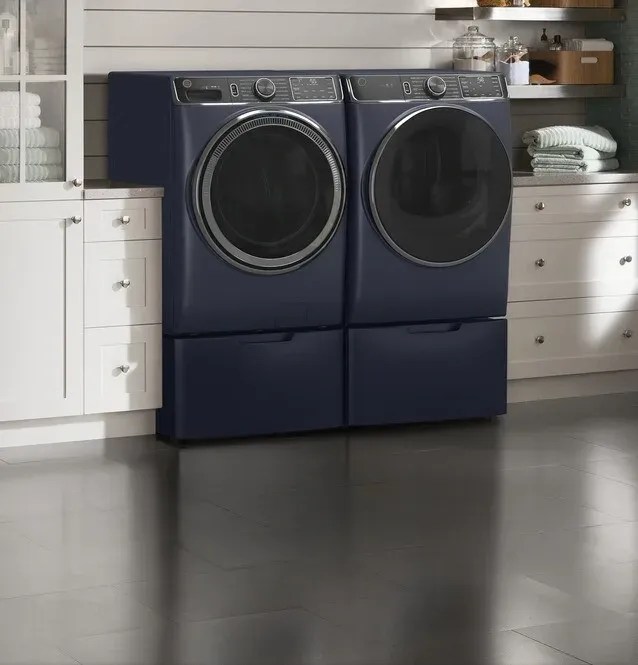
The 21st century has ushered in an era where laundry is not only more convenient and high-tech but also environmentally conscious. Modern washing machines are now equipped with advanced features that blend technology and sustainability to meet the demands of contemporary households. One of the most notable advancements is the integration of smart technology. Machines with Wi-Fi connectivity and AI-powered programs have revolutionized the laundry process. Smart washers enable users to control and monitor cycles remotely via smartphone apps, making it easier than ever to fit laundry into busy schedules. Additionally, built-in sensors detect fabric types and load sizes, automatically adjusting water levels, spin speeds, and detergent usage for optimal cleaning efficiency. These features save time, energy, and resources, redefining the concept of convenience in the home.
Robotics is another groundbreaking development in the world of laundry. Devices like the Foldimate machine, which automatically folds clothes, are transforming post-laundry tasks, offering relief to those who dread folding piles of clean laundry. Such innovations hint at a future where household chores could be fully automated. Researchers are actively developing autonomous systems capable of sorting, washing, drying, and folding clothes with minimal human intervention. While these technologies are still in their infancy, they represent a glimpse into a world where laundry could become a nearly invisible task, managed entirely by machines.
Beyond convenience, sustainability has emerged as a driving force in the evolution of laundry technology. Traditional washing machines can consume significant amounts of water and energy, raising concerns about their environmental impact. In response, companies are developing waterless washing machines that use advanced cleaning beads or vapor to clean clothes effectively while drastically reducing water usage. These machines offer a promising solution for water-scarce regions and households looking to adopt eco-friendly practices.
The rise of eco-friendly detergents is another step toward greener laundry habits. These detergents are biodegradable and free from harmful chemicals, reducing pollution in waterways and protecting aquatic ecosystems. Similarly, the development of solar-powered dryers offers an energy-efficient alternative to conventional electric dryers, allowing households to harness renewable energy for their laundry needs. Some models even combine solar power with heat pump technology to further enhance efficiency.
In addition to these advancements, there has been a growing focus on the lifespan and recyclability of laundry appliances. Manufacturers are designing machines with durable components that can be repaired or replaced, reducing electronic waste. Recycling programs for old machines are also gaining traction, ensuring that materials are reused instead of ending up in landfills.
These innovations reflect a broader societal shift toward sustainability and technological integration in daily life. The modern laundry room has become a hub of smart devices and eco-friendly practices, combining convenience with a commitment to reducing environmental impact. As technology continues to evolve, the future of laundry may include even more transformative solutions, from self-cleaning fabrics to fully automated home systems. One thing is certain: the 21st century has made laundry more efficient, intelligent, and sustainable than ever before.

The Future of Laundry: Innovations on the Horizon
As technology continues its rapid evolution, the world of laundry is poised for transformative advancements that could redefine how we care for our clothes. The future promises a seamless blend of convenience, sustainability, and innovation, making laundry an almost effortless part of daily life.
One of the most intriguing possibilities is self-cleaning clothing. Imagine garments embedded with nanotechnology that repel dirt, bacteria, and odors, eliminating the need for frequent washing. These fabrics could use advanced coatings or microscopic particles to break down grime at the molecular level, leaving clothes fresh and clean without a trip to the washer. Such innovations would not only save time but also drastically reduce water and detergent consumption, aligning with growing sustainability goals. Self-cleaning clothing could be particularly revolutionary for industries like healthcare, travel, and sports, where maintaining hygiene is critical but access to laundry facilities is limited.
In addition to smarter fabrics, the development of fully autonomous laundry robots is a tantalizing prospect. These robots could take over every aspect of the laundry process—from sorting clothes by color and fabric type to washing, drying, and even folding or hanging them. Equipped with advanced sensors and robotic arms, these machines could seamlessly manage your wardrobe, ensuring every item is clean, organized, and ready to wear. Such technology would eliminate one of the most time-consuming household chores, freeing up hours each week for more meaningful activities. While currently in the conceptual phase, autonomous laundry systems are becoming increasingly feasible with advancements in robotics and AI.
Speaking of artificial intelligence, its integration into laundry appliances could take personalization to the next level. Imagine a washing machine equipped with AI and machine learning capabilities that can analyze your laundry habits, track your clothing inventory, and provide tailored recommendations. For instance, the machine could suggest optimal cleaning cycles based on the specific fabrics in a load or even remind you when it’s time to refresh seasonal clothing. Furthermore, AI-powered systems could automatically reorder detergent or fabric softener when supplies are running low, ensuring you never run out of essentials. This level of connectivity would not only enhance convenience but also improve efficiency by reducing waste and extending the lifespan of clothes.
Another area of potential innovation lies in sustainability. As climate concerns grow, the future of laundry is likely to prioritize eco-friendly solutions. Beyond waterless washing machines and solar-powered dryers, we might see technologies that capture and recycle water during the washing process or machines powered entirely by renewable energy. Additionally, research into biodegradable detergents and energy-efficient appliances will likely continue, reducing the environmental footprint of laundry even further.
The future of laundry might also include smart wardrobes—closets equipped with built-in systems that can clean and refresh clothes without removing them. Using steam, UV light, or air purification technologies, these wardrobes could eliminate the need for traditional washers and dryers altogether, creating an entirely new way of managing clothing care.
As these technologies advance, the possibilities are endless. From self-cleaning garments to AI-driven machines and sustainable innovations, the future of laundry promises to be smarter, greener, and more convenient than ever before.
Final Spin:
From the riversides of ancient Babylon to the AI-powered laundry rooms of today, the story of washing clothes is one of human progress—an unbroken thread of innovation, sweat, and soap bubbles. What began as a communal act of survival has evolved into an everyday ritual of convenience and control. Each revolution, from the wringer washer to the waterless machine, tells us something about our changing values: efficiency, comfort, sustainability, and the eternal desire to make life just a little easier.
Yet beneath the hum of modern machinery, echoes of the past still remain—the rhythmic scrubbing, the sunlit drying, the satisfaction of a clean garment well earned. Laundry, in all its forms, connects us across time and culture. It’s a reminder that progress doesn’t just wash away the old; it layers the new atop centuries of human creativity and care.
So as your washing machine chirps its digital melody, think of those who once stomped their linens by the river, and the innovators who dared to ask, “Can there be a better way?” The answer, like the laundry itself, keeps coming out cleaner with every cycle.
Support The Laundry Club Blog — because history, like laundry, deserves a good rinse before we hang it out to dry.

 The Laundry Club Blog
Leave a comment