
Laundry work during World War I and World War II, especially in Nazi Germany and labor camps across Poland and surrounding areas, became a grim and harrowing experience for those forced into this labor. For many Jewish, Romani, and other marginalized groups targeted by Hitler’s regime, doing laundry in labor camps symbolized both the drudgery of their oppression and their daily fight for survival.
Forced Labor in Laundry: An Overlooked Struggle
Laundry work in concentration and labor camps like Auschwitz, Dachau, and Treblinka was part of the larger system of forced labor imposed by the Nazi regime. Thousands of Jewish men, women, Romani people, and political prisoners were assigned to laundries, washing and mending uniforms and other fabrics for the Nazi guards, soldiers, and sometimes for camp operations.
In Auschwitz, for instance, laundry was a necessity due to the immense number of SS personnel stationed there, along with the camp’s operational needs. Prisoners were forced to handle soiled and lice-ridden garments in harsh conditions. The laundry blocks, typically unheated and damp, exposed workers to illness, particularly tuberculosis and respiratory diseases. This work was physically exhausting and humiliating, with many enduring beatings or worse for failing to meet impossible quotas.
The Daily Reality of Camp Laundries
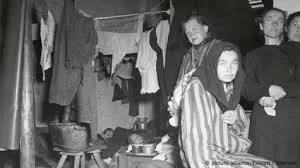
Those forced into laundry work faced relentless physical and emotional tolls. A typical day began before sunrise, with prisoners marched to laundry barracks under the watchful eyes of SS guards wielding weapons. Workers sorted piles of dirty clothing, much of it taken from incoming prisoners, including those sent to the gas chambers.
The emotional burden of handling clothing from victims cannot be overstated. Many workers recognized garments that belonged to loved ones or members of their community, adding a layer of profound psychological torment. Still, they had no choice but to scrub, wring, and iron these items under constant threat of violence.
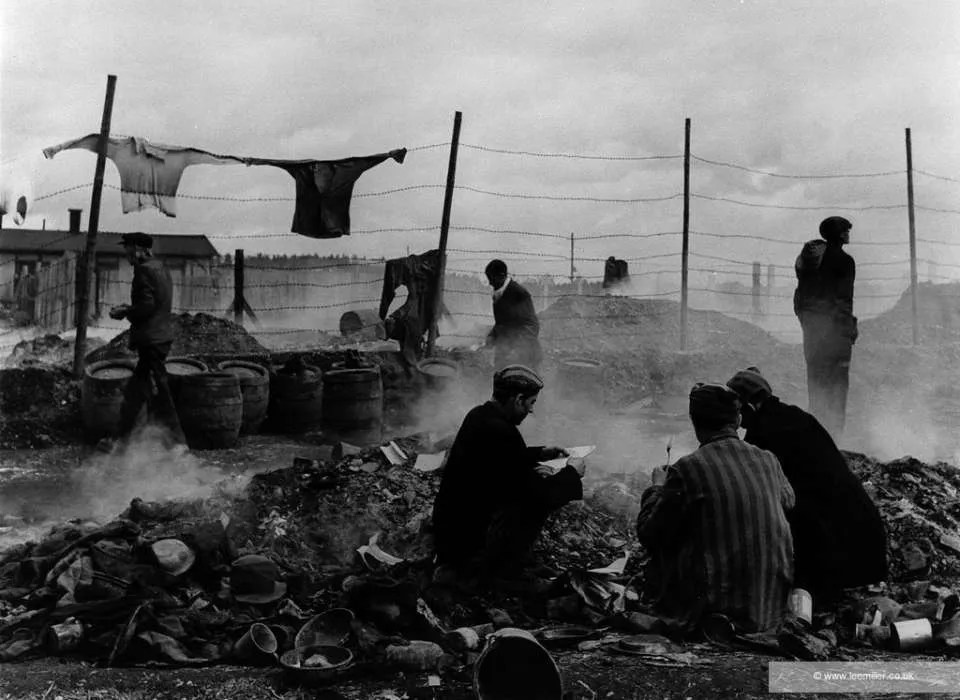
The tools and detergents provided were often insufficient, further complicating the task. Soap was scarce or of poor quality, and workers sometimes resorted to using sand or ash to clean garments. Hot water was a rarity, and workers’ hands were left raw and bleeding from the combination of cold water and harsh scrubbing.
Labor Camps in Poland and Surrounding Areas
In addition to Auschwitz, other camps in Poland, such as Majdanek, Sobibor, and Belzec, utilized forced laundry labor. In Majdanek, prisoners assigned to the laundry block worked amidst the stench of nearby crematoria, their days punctuated by the screams of SS guards and the crackling of gunfire. Meanwhile, in Sobibor and Belzec, laundries serviced not only the guards but also uniforms for soldiers stationed in the region.
Camps in Germany, like Ravensbrück—a camp primarily for women—also employed prisoners in laundries. Here, women endured particularly heinous treatment, forced to work long hours in cramped conditions. Often denied gloves or proper protection, their skin would break out in painful sores from prolonged exposure to harsh chemicals. Those who fell ill or could no longer keep up with the workload faced immediate execution or transfer to extermination sites.
Exploitation Beyond the Camps
Even outside the concentration camps, Jewish people and other marginalized groups were forced into laundry work under Nazi rule. In ghettos such as Warsaw and Łódź, Jewish residents were coerced into setting up communal laundries to service German officials or to fulfill labor quotas. These laundries often lacked basic sanitation, further exacerbating the health risks for those involved.
Romani communities, another group targeted by the Nazis, were similarly exploited. Forced into segregated labor camps, many were assigned laundry duties in subhuman conditions. Their experiences paralleled those of Jewish workers, with similar exposure to disease, abuse, and starvation. The Nazis’ systemic dehumanization extended to every aspect of their forced labor, including laundry work.
Stories of Resistance and Survival
Amidst the suffering, stories of quiet resistance and resilience emerged. Some workers smuggled notes or hidden items in the folds of clothing, passing on vital information to other prisoners or even resistance groups outside the camps. Others used their positions in the laundry to discreetly redistribute stolen clothing or scraps of fabric to those in desperate need.
These acts, though small, were a form of defiance against the Nazis’ attempts to strip prisoners of their humanity. They also underscored the solidarity that developed among the oppressed, as workers leaned on one another for support in the face of unimaginable brutality.
Aftermath and Legacy
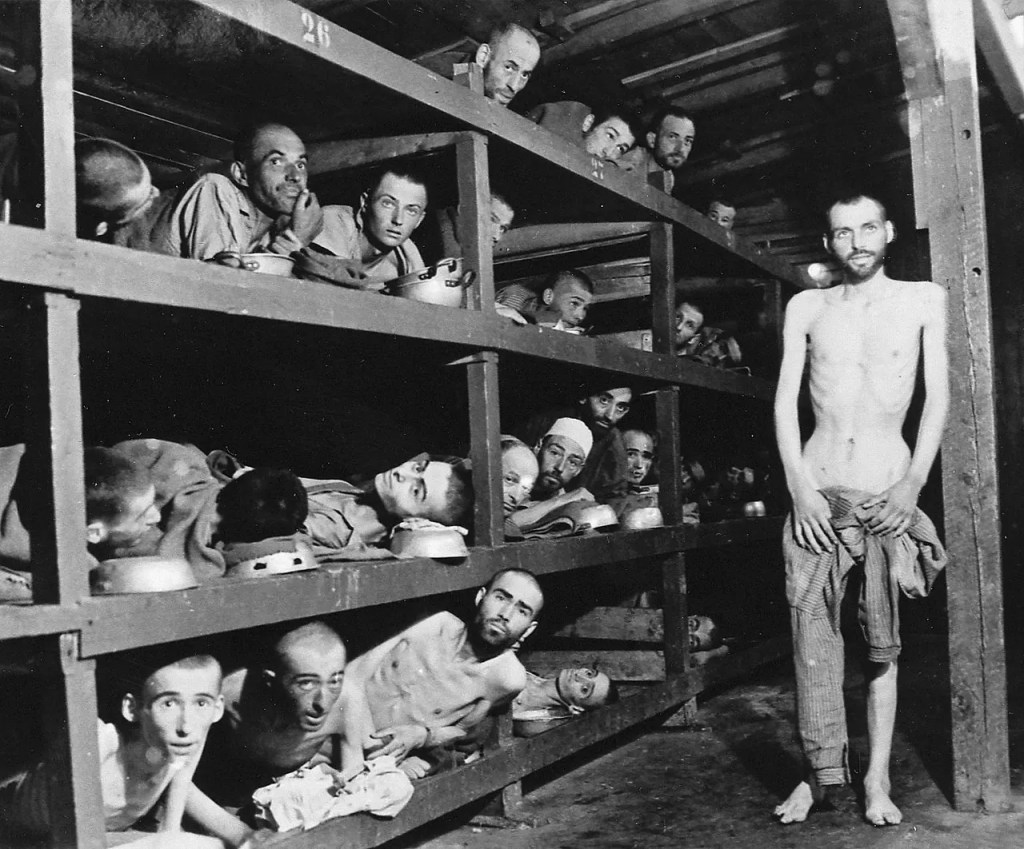
For many survivors, memories of laundry work remained a haunting reminder of their time in the camps. The physical scars—damaged hands, weakened lungs—and the psychological trauma of their experiences lingered long after liberation. Yet, these stories are crucial to understanding the full scope of Nazi atrocities and the resilience of those who endured them.
The role of forced labor in laundries during World War II is often overshadowed by other aspects of Holocaust history. However, it stands as a testament to the everyday horrors faced by marginalized groups under Nazi rule. These workers, stripped of their freedoms and subjected to relentless cruelty, nevertheless found ways to survive and resist, preserving their dignity in the face of unimaginable oppression.
Today, as we reflect on this dark chapter of history, it is vital to remember the voices and experiences of those who suffered. The laundries, though seemingly mundane, were another instrument of the Nazis’ dehumanizing machine—and another space where the strength of the human spirit endured.
Final Spin:
Laundry has always been a symbol of cleansing—but in the labor camps of World War II, it became a cruel distortion of that idea. What should have been an act of renewal was transformed into a mechanism of suffering and subjugation. Yet, within that unbearable system, people still managed to hold on to fragments of their humanity—through whispered acts of defiance, quiet endurance, and the will to survive another day. The laundries of Auschwitz, Majdanek, and Ravensbrück were not just places of work—they were silent witnesses to courage under terror. Remembering them is not just about revisiting history; it’s about acknowledging the strength it takes to stay human when everything around you tries to wash that humanity away.
Support The Laundry Club Blog — because even the darkest stains of history deserve to be remembered, not forgotten.

 The Laundry Club Blog
Leave a comment