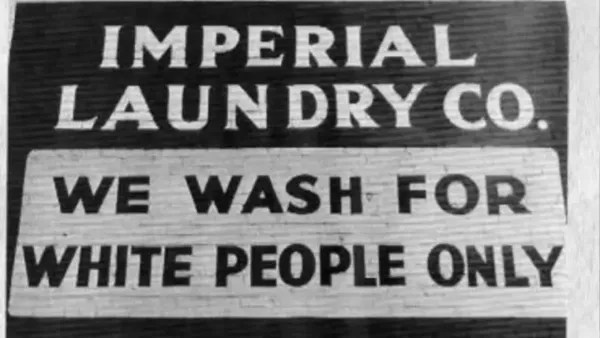
The Jim Crow era stands as one of the most divisive chapters in American history, marked by laws and customs that upheld racial segregation. During this time, the laundry industry was no exception, serving as a poignant example of the systemic inequities and social injustices that defined the period.
In the late 19th and early 20th centuries, segregation seeped into virtually every facet of life, including public laundries. Signs reading “Whites Only” or “Colored Entrance” were commonplace, signaling the deep divisions enforced by both law and custom. These discriminatory practices were rooted in the belief that physical proximity between races in shared spaces, such as laundromats, could threaten the social order that white supremacy sought to maintain.
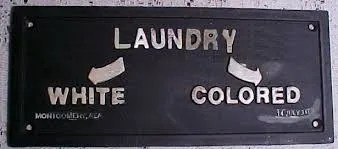
The segregation of laundries extended beyond mere signage. White-owned laundries often provided superior facilities and modern equipment, while Black customers were left with outdated machinery or substandard accommodations. In some communities, Black individuals were outright barred from using laundromats, forcing them to rely on handwashing clothes at home or utilizing separate, poorly maintained facilities. This not only limited access to essential services but also reinforced economic disparities, as Black entrepreneurs faced significant hurdles when trying to establish their own laundry businesses.
One of the most glaring examples of racial inequality in the laundry industry was the labor force itself. Black women, often employed as laundresses, faced grueling conditions and paltry wages while providing laundry services for white households. These women—referred to as “washerwomen”—worked long hours, often hand-washing garments without access to modern conveniences. Despite the physical toll and lack of fair compensation, their labor was essential to maintaining the comfort and cleanliness of white families.
The fight against segregation in laundries gained momentum during the Civil Rights Movement. Activists challenged the legality and morality of Jim Crow laws, often targeting public accommodations as battlegrounds for equality. The landmark Civil Rights Act of 1964 ultimately dismantled legalized segregation, mandating that all public facilities, including laundromats, be accessible to everyone regardless of race. However, the journey toward integration was not immediate, as many communities resisted change, and the remnants of segregation lingered for years.

Today, the legacy of segregation in the laundry industry serves as a stark reminder of the inequalities that once permeated everyday life. While laundromats have become spaces where people of all backgrounds gather, the history of their segregation underscores the importance of vigilance in ensuring equality and justice.
The next time you toss your clothes into a washing machine, consider the progress that has been made and the struggles that paved the way. Let us honor the resilience of those who fought for equality by embracing unity in all aspects of life.

After all, the only thing that should be separated in life, is the laundry.
Final Spin:
The history of segregation in the laundry industry reminds us that even the most ordinary acts—like washing clothes—were once steeped in injustice. Yet, from those soapy basins of inequality rose the courage and endurance of countless Black laundresses who scrubbed not just garments, but the stains of oppression itself. Their labor, quiet yet revolutionary, helped wash a nation toward progress.
Support The Laundry Club Blog — because some stains in history should never be washed away, only remembered.

 The Laundry Club Blog
Leave a comment