There was a time when a firefighter’s soot-stained jacket told a story. A badge of honor. Proof you’d been there—inside the smoke, inside the chaos, inside the heart of what it means to save someone else’s world. For generations, blackened gear meant experience, toughness, and pride. But as science caught up with tradition, that image began to shift. What we once saw as grit and glory is now recognized as a serious health risk—one that can follow firefighters long after the flames are out.
Today, the dirtiest thing about dirty turnout gear isn’t the soot. It’s the danger hiding in it.
The Toxins Beneath the Soot
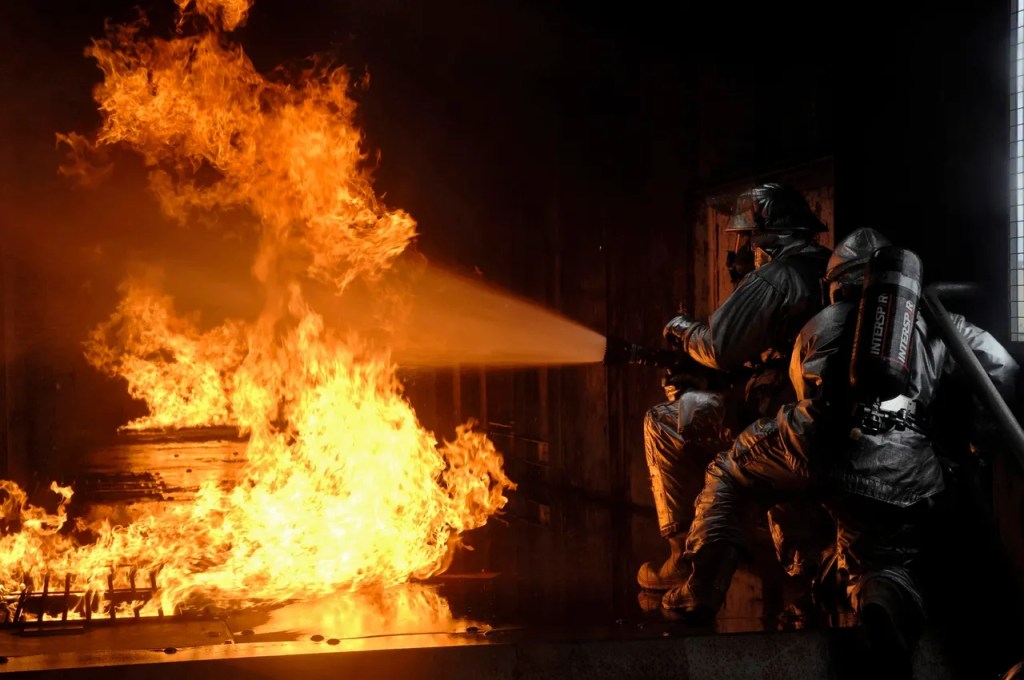
When firefighters rush into burning buildings, they’re not just surrounded by heat and smoke—they’re surrounded by a toxic cocktail of chemicals released as everyday materials burn. Carpets, plastics, insulation, paint—all of it melts into something firefighters can’t help but absorb. The result? Gear that’s soaked not only in sweat and ash but in carcinogens and other hazardous compounds that cling to every fiber.
These contaminants don’t simply sit on the surface. They work their way deep into the layers of fabric designed to protect. Firefighters might leave a fire thinking they’ve left danger behind, but the truth is, the danger leaves with them—embedded in their coats, pants, gloves, and hoods. That gear becomes a silent carrier of poison, transferring toxins to skin, vehicles, and even station living spaces.
Studies over the past decade have confirmed what many suspected: firefighters are at significantly higher risk for multiple forms of cancer. The culprit, in large part, is prolonged exposure to the very gear meant to save them.
Why Clean Gear Matters More Than Ever
Keeping turnout gear clean isn’t just about appearance—it’s a matter of life and death. Dirty gear conducts heat more easily and loses its ability to insulate, meaning that the very layers designed to protect can become flammable and fail under pressure. And when soot covers reflective trim, firefighters become nearly invisible in the middle of the chaos.
In a dark, smoke-filled structure, visibility isn’t a luxury—it’s survival. The reflective tape on turnout gear is there for a reason: so teammates can see each other, so command knows who’s moving and where. When that trim is caked in soot and ash, one wrong turn can mean disaster.
Then there’s the simple physics of it all: gear loaded with soot and grime weighs more. Wet with perspiration and contaminants, it’s heavier, hotter, and harder to move in. Every extra pound slows down reaction time—and in a profession where seconds count, that can be fatal.
The Right Way to Wash Turnout Gear
You can’t just throw turnout gear into a home washer and call it a day. According to the National Fire Protection Association (NFPA), turnout gear requires highly specific care to remove contaminants without breaking down the protective layers.
NFPA guidelines state that:
- Washers used for turnout gear must not be used for any other laundry. Cross-contamination can expose other clothing—and the people wearing them—to the same dangerous residues.
- Extraction speeds must be limited to 100 G’s or less to prevent fabric damage.
- Wash temperatures should not exceed 105°F—hot enough to clean, but gentle enough to preserve the material’s integrity.
That’s why commercial washers are the gold standard. They’re programmable, allowing departments to set precise cycles that align with NFPA and manufacturer recommendations. They also last longer than home-style machines, especially when used for heavy-duty, repetitive cleaning of turnout gear.
Firefighters risk enough in the line of duty. They shouldn’t have to risk their health in the laundry room, too.
Drying: The Silent Second Step
Washing is only half the battle. Improper drying can undo all the good that cleaning just accomplished. Gear that’s left even slightly damp can trap moisture inside its layers. The next time a firefighter steps into a blaze, that trapped moisture can instantly turn to steam, causing burns.
And when moisture lingers, there’s another threat: mold and mildew. These microbial hitchhikers don’t just smell bad—they break down materials, reducing the life expectancy of gear and compromising safety.
Traditional tumble dryers might seem convenient, but they can wear out turnout gear prematurely due to mechanical action and heat exposure. Remember: gear should never be dried at temperatures above 105°F. Too much heat and the protective properties degrade.
That’s why many departments now rely on gear drying cabinets. These cabinets are designed specifically for PPE, circulating warm air evenly without tumbling or abrasion. The best models even have built-in humidity sensors, ensuring that drying stops automatically once gear is fully dry—no guesswork, no over-drying, no unnecessary energy use.
It’s a cleaner, safer, and smarter way to care for the very equipment that stands between a firefighter and catastrophe.
Culture Shift: From Dirty Pride to Clean Courage
For decades, the fire service carried a culture of “dirty pride.” A seasoned firefighter with spotless gear was seen as green or untested. But as awareness has grown, so too has the understanding that cleanliness isn’t weakness—it’s wisdom.
The new generation of firefighters is rewriting that culture. They’re talking openly about occupational cancer risks, pushing for updated decontamination policies, and emphasizing the importance of proper laundering practices. Many stations now have “clean cab” initiatives—keeping contaminated gear separate from living spaces and vehicles.
It’s not just about changing perception; it’s about changing survival odds.
Final Spin
In the past, dirty turnout gear was a sign of an experienced firefighter. Today we know that dirty gear is full of toxins and can be dangerous. Having soot and other surface dirt on the outside of the gear puts the firefighter at risk because dirty PPE is more likely to conduct heat and become flammable. If the dirt and soot are covering the reflective trim, then the firefighter may not be visible during the course of a fire.
The contaminants aren’t only on the outside—they’re embedded deep in the fibers. Firefighters are careful to avoid inhaling carcinogens at the scene, but once they leave, they carry those same toxins with them. Every hug, every seatbelt click, every breath near that gear becomes another risk.
Although there are a few ways to clean turnout gear, using commercial laundry equipment is the only way to ensure it’s properly and thoroughly cleaned and dried. Clean, dry gear lasts longer—and more importantly, it protects better.
Because sometimes, the cleanest thing you can do… is fight dirty gear.

 The Laundry Club Blog
Leave a comment