A Haunting Legacy of Abuse, Isolation, and Forced Labor
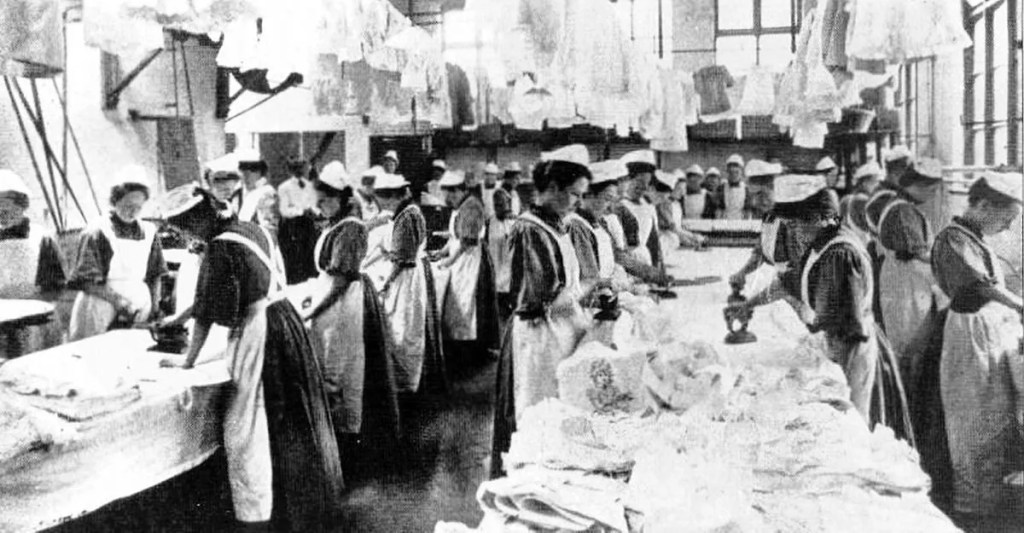
The Magdalene Laundries stand as one of the darkest and most shameful chapters in Ireland’s history, a part of the country’s past that is difficult to fully grasp, but impossible to forget. For decades, thousands of women and girls were confined to these institutions, subjected to forced labor, emotional abuse, and isolation under the guise of redemption and penance. It is only in recent years that the Irish government and the public have started to fully acknowledge the horrific treatment that took place behind the closed doors of these institutions. This post aims to shed light on the Magdalene Laundries, their history, their impact, and the ongoing struggle of survivors seeking justice and closure.
What Were the Magdalene Laundries?
The Magdalene Laundries were institutions that operated in Ireland from the late 18th century through the 20th century, run by Roman Catholic religious orders. These laundries were places where women and girls, often sent there by their families, the state, or even the church, were forced to work long hours performing laundry and other menial tasks. The women confined to these institutions were often subjected to harsh conditions, physical and emotional abuse, and isolation from the outside world. They were forced to perform labor without pay, and many of them were kept in these laundries for years or even decades.
The laundries were named after Mary Magdalene, a biblical figure who was often depicted as a reformed sinner. This name reflected the purpose of the institutions—according to the church and society, these women were supposed to be “reformed” or “redeemed” for their supposed sins, which ranged from being prostitutes or unwed mothers to simply not conforming to the rigid moral codes of the time.
In Ireland, the Magdalene Laundries became one part of a larger system of religious-run institutions that controlled many aspects of women’s and children’s lives. These included orphanages, industrial schools, and mother-and-baby homes. The laundries were often seen as places of “penance,” where women who had fallen from grace could be “cleansed” through hard labor, religious education, and confinement.
Origins of the Magdalene Laundries
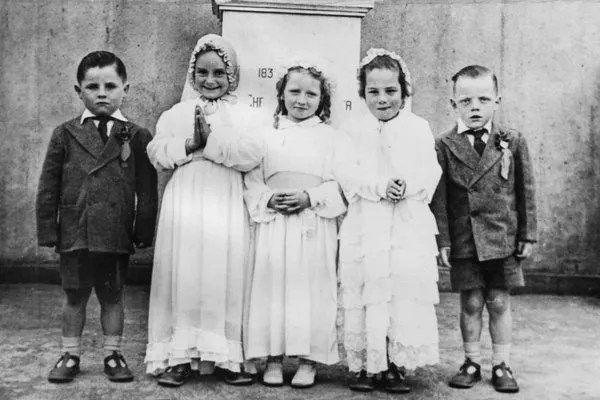
The first Magdalene Laundry in Ireland was established in 1767 by the Good Shepherd Sisters in Dublin. Its purpose was to offer refuge to women who were deemed immoral by society, especially those who were prostitutes or women who had fallen pregnant out of wedlock. Over time, other religious orders—most notably the Sisters of Mercy, the Sisters of Charity, and the Sisters of Our Lady of Charity—opened their own laundries across Ireland.
By the mid-20th century, there were at least a dozen Magdalene Laundries operating throughout the country, particularly in larger cities like Cork, Limerick, Galway, and Dublin. The laundries were part of a wider system of religious-run institutions that also included industrial schools, which were similar to juvenile detention centers, and “mother-and-baby homes,” where unwed mothers were sent to have their babies in secrecy. Women and girls sent to the laundries were often trapped in a system that sought to punish them for circumstances beyond their control.
Who Were the Women in the Magdalene Laundries?
The women who found themselves in the Magdalene Laundries came from a variety of backgrounds. Some were sent to the laundries for having become pregnant outside of marriage, while others were there because they were perceived as “fallen women”—prostitutes, women with criminal records, or simply women who did not conform to the conservative social and moral codes of 19th and 20th century Ireland.
Many of the women were very young when they were sent to the laundries. Some had been abused or abandoned by their families and had nowhere else to go. Others were sent there by their families because they had become pregnant out of wedlock or had been involved in relationships considered immoral by society. The laundries also housed orphans, abused children, and women who had been institutionalized in other religious-run institutions like orphanages or industrial schools.
Once inside the Magdalene Laundries, the women were given little to no opportunity to speak for themselves or defend their circumstances. Many had their names changed to numbers or aliases and were forbidden from communicating with each other. The laundries were designed to strip the women of their identities and isolate them from the outside world. The nuns in charge of the laundries enforced strict rules and subjected the women to physical and emotional abuse if they did not comply.
Life Inside the Magdalene Laundries
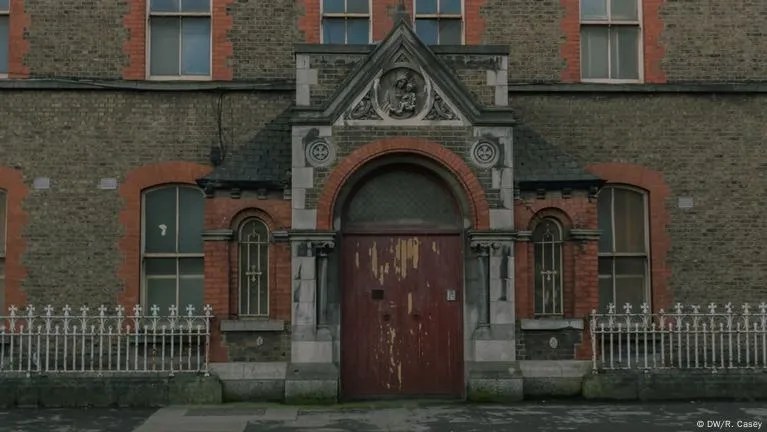
Life inside the Magdalene Laundries was grueling and often brutal. The women were forced to work in the laundries, washing clothes and linens for hospitals, wealthy families, and other institutions, often without pay. The work was long, repetitive, and physically demanding, with little to no breaks and often poor working conditions. They were given very little food, and the quality of their living conditions was substandard.
The women were made to believe that they were there to “atone” for their sins, but for many, the only sin they had committed was not conforming to the rigid moral standards of society. They were subjected to harsh physical discipline, and many suffered emotional and psychological abuse at the hands of the nuns who ran the laundries. Some women were sexually abused by the nuns or other religious figures, though this abuse was often hidden and went unreported for years.
The women who lived in the laundries were kept isolated from the outside world. They were not allowed to speak to one another or form relationships, and they were discouraged from writing letters or receiving visitors. Many women spent years or even decades in the laundries, and some were confined there for life.
One of the most tragic aspects of the Magdalene Laundries was the fact that many of the women who were confined there were not even told why they were being sent there. They were often never given the opportunity to leave, and their families were told little or nothing about their whereabouts. Some women left the laundries to find that their families had moved on, and they were left with no connection to their past or to their identity.
The Impact of the Magdalene Laundries
The women who passed through the Magdalene Laundries were subjected to profound emotional and psychological trauma. Many suffered from depression, anxiety, and other mental health issues as a result of their experiences. The isolation, abuse, and forced labor left deep scars that lasted long after they left the laundries.
Many survivors of the Magdalene Laundries have spoken out about their experiences, and their stories have highlighted the lasting impact that the laundries had on their lives. Survivors have reported difficulties forming relationships, struggles with identity, and feelings of shame and worthlessness. Some of them were never able to reconnect with their families or learn about their own history, while others struggled to find a sense of belonging in society after their release.
For many survivors, the best option was to leave Ireland and start a new life elsewhere, in places like Britain, the United States, or Canada, where they could escape the stigma of having been in a Magdalene Laundry. However, this escape did not always bring peace, as many survivors spent years wondering about the other women they had crossed paths with in the laundries and the families they had been separated from.
The Magdalene Laundries and the Irish Government
The Magdalene Laundries were not just run by religious orders—they were supported and, in some cases, directly facilitated by the Irish government. Local authorities often sent women and girls to the laundries, and the government provided little to no oversight of the institutions. In many cases, the laundries were presented as a “humane” alternative to prison or other forms of punishment.
The government’s complicity in the Magdalene Laundries system was not fully acknowledged until many years later. It wasn’t until the 1990s that survivors began to speak out, and even then, their voices were often silenced or ignored.
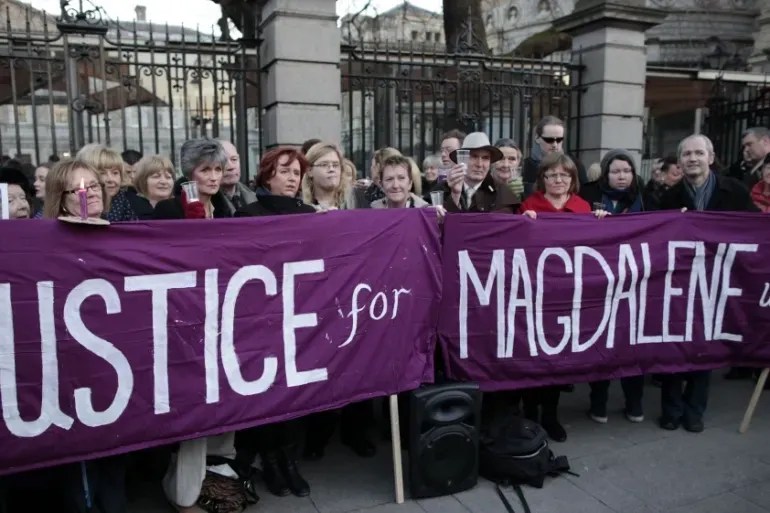
It wasn’t until 2013, after decades of campaigning by survivors and advocacy groups, that the Irish government officially acknowledged the existence of the Magdalene Laundries and issued an apology. The apology, however, was widely seen as inadequate by many survivors, who felt that the government’s response did not fully address the extent of the abuse or the suffering that the women endured. In addition to the apology, the government offered a compensation scheme for survivors, though many women felt that it fell short of what they were owed.
Legacy and Ongoing Struggles for Justice
Although the Magdalene Laundries officially closed in the 1990s, the legacy of these institutions continues to affect the survivors. Many women are still searching for answers about their pasts, hoping to find lost family members or reconnect with people they knew in the laundries. Some survivors have been successful in finding their relatives, while others are still left with unanswered questions and painful memories.
The Magdalene Laundries are a haunting reminder of the ways in which the Catholic Church, the Irish government, and society as a whole failed to protect vulnerable women and girls. The women who were forced into these institutions were subjected to terrible abuse, isolation, and exploitation. For many survivors, the search for justice is ongoing. They are still seeking recognition for the suffering they endured and for the decades of silence that followed their release from the laundries.
Though the laundries no longer exist, their impact continues to be felt in Ireland and beyond. The Magdalene Laundries are a testament to the deep scars left by religious and state-sanctioned abuse, and they serve as a warning about the dangers of unchecked power and the importance of speaking out against injustice.
As Ireland continues to confront its past, it is vital that the voices of survivors are heard and that their stories are shared so that future generations will never forget the women who suffered in the Magdalene Laundries. Only then can Ireland begin to heal from the wounds of this dark and painful chapter in its history.
Final Spin:
The Magdalene Laundries may have closed their doors decades ago, but their shadow lingers. They are a stark reminder of the cost of silence, the consequences of unchecked authority, and the resilience of women who survived unimaginable cruelty. Remembering their stories isn’t just an act of history—it’s a call to vigilance, compassion, and justice for those who still carry the weight of this haunting legacy.
Support my work: paypal.me/TheLaundryClub

 The Laundry Club Blog
Leave a comment